PPC117 | Pests in politics
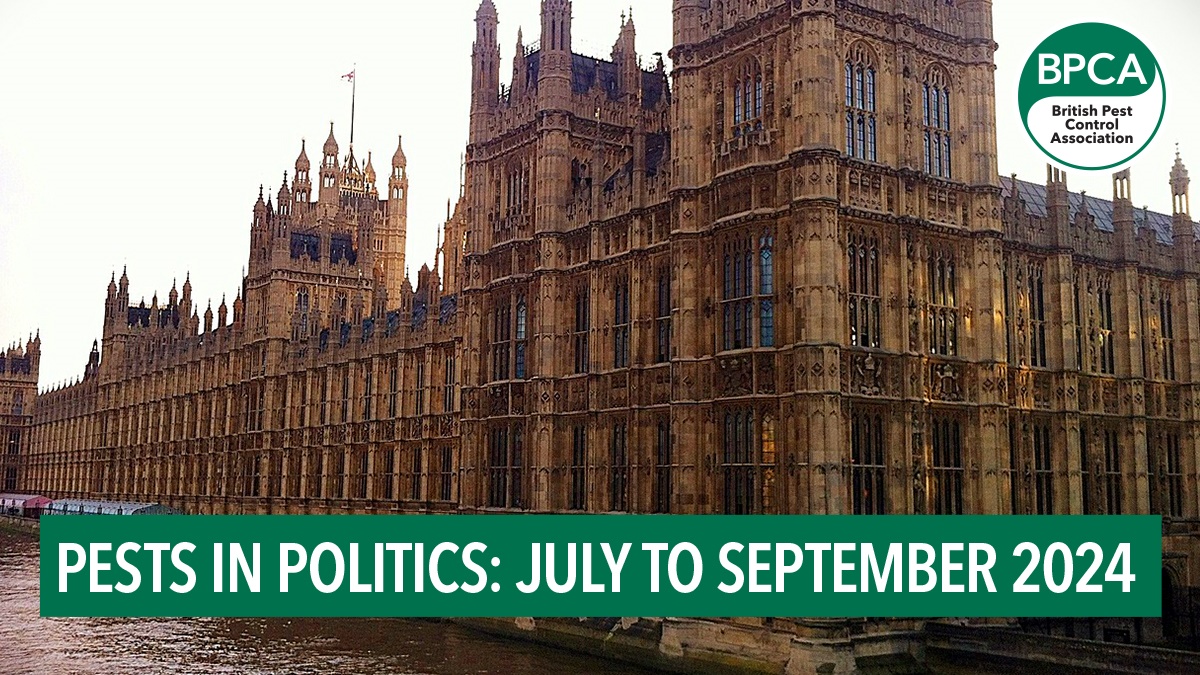
The past few months have seen notable changes in England's pest control landscape, particularly surrounding the introduction of the Glue Traps (Offences) Act 2022, which took effect on 31 July 2024.
These developments coincided with a major political shift following the General Election, with Labour now in power and new ministers taking charge at Defra. BPCA is looking forward to working with these officials to ensure that the licensing system for glue traps balances public health needs with animal welfare considerations.
▶Changes to glue trap licensing in England: reflecting on recent developments
Before the election, Defra, led by Minister Pow, introduced several updates to the licensing regime.
Initially restricted to food manufacturing facilities, the regime was expanded to include national and regional food distributors. Defra also recognised that in rare circumstances, pubs, restaurants, supermarkets, and hotels might require glue traps to address severe infestations.
While BPCA welcome these changes, we've been clear that the adjustments didn’t go far enough.
“While we’re pleased that Minister Pow acknowledged our concerns, we’d have liked to see class licences expanded to all food sites, allowing pest professionals to act swiftly to protect public health without waiting days for individual licences from Natural England.”
BPCA has repeatedly raised concerns over the practical impact of this system. Waiting for individual licences could result in businesses closing for days, particularly smaller operations, while they await approval.
The high cost of these individual licences could also make it harder for smaller businesses to afford the protection they need to keep their premises safe for customers.
▶Political changes and looking ahead
The General Election brought a new government to power, with Labour now overseeing key departments, including Defra. As the new ministers settle in, BPCA is eager to work with them to ensure the licensing regime is both effective and practical for the pest control industry.
Collaboration will be essential to ensuring that pest professionals can continue to protect public health without unnecessary delays or financial strain.
Despite the political shifts, BPCA remains focused on improving the licensing framework, ensuring that public health and animal welfare are kept in balance.
▶Supporting pest controllers during the transition
Over the past few months, BPCA has worked to prepare pest controllers for the new licensing system by releasing practical guidance for its members. The guidance document can be found in the Codes and Documents section of the member library. bpca.org.uk/library (login required)
This guide covers everything, from the types of licences available to application procedures and advice on managing clients who may be unlawfully using glue traps. Though these changes currently apply only to England, BPCA is encouraging pest controllers across the UK to stay informed, as similar regulations could eventually be introduced in other parts of the country.
▶Preparing for the future
As we look back on the recent changes, BPCA remains committed to supporting the industry through this transition. The Association will continue to engage with the new government to advocate for practical, effective solutions that safeguard public health while maintaining compliance with new animal welfare laws.
With the political landscape evolving and new regulations on the horizon, pest controllers are encouraged to stay connected with BPCA for updates. BPCA will continue to provide guidance through its website, social media channels, and member resources, helping professionals navigate the new glue trap licensing regime effectively.
▶2024 Autumn Budget announced
Chancellor Rachel Reeves released the long-awaited autumn budget plans in October. Some of the announcements will have impacts on pest control businesses, such as increased National Insurance contributions for employers. These will rise from 13.8% to 15%, and the threshold for NI contributions will drop to £5,000 (down from £9,100).
However, Employment Allowance has been expanded, by removing the £100,000 eligibility threshold, simplifying employer NICs so all eligible employers can benefit. The allowance will rise from £5,000 to £10,500.
The CGT lower rate will rise from 10% to 18%, and the higher rate from 18% to 24%, with residential property CGT also increasing.
Business owners looking to sell assets or property related to their businesses will face higher CGT.Additionally, Business Asset Disposal Relief (BADR), designed to lower CGT for qualifying businesses, will also increase from 10% to 14% in April 2025, and then to 18% in April 16%.
With the recent increase the pest control industry has seen in acquisitions, this could have significant effects on the structure of the industry.
The National Living Wage will increase by 6.7% for those aged 21 and over and National Minimum Wage by 16.3% for workers aged 18-20. This change raises payroll costs for pest control companies.
However, if you're taking on your first set of employees, the increase in the Employment Allowance means the National Insurance contributions cost for those employees should be covered.
Wage increases could boost consumer spending, making clients more willing to pay for pest control services, while also helping businesses attract and retain skilled workers, improving service quality and reducing turnover.
To read the full wrap-up, visit ppconline.org/ppc-news
Source: