TECHNICAL | PPC108 September 2022

Could you be a beekeeper? You should have a better idea once you’ve read this article. Andy Lee, from BPCA member company AML Pest Control shares his experience of starting this exciting hobby.
I started keeping bees about eight years ago, a hobby I’ve always wanted to get involved in. The love of honey helps! You’d be surprised at the versatility honey brings; the food, the making of mead, and the use of the extracted wax.
But being a hobby beekeeper isn’t something for the faint-hearted, especially if you have the work commitments of a pest controller! But more on that shortly.

Bee realistic
Keeping bees is enjoyable, fascinating and can be rewarding. However, in my experience, it is not financially rewarding! You’d need many hives to make money back from your bees, and the more hives you have, the more intensive and expensive the hobby becomes.
You will get stung. No matter how well you suit and glove up, somehow they find a way of getting you!
I remember one inspection where everything was going to plan. The bees were calm and showed no sign of aggression. Then I saw one bee and thought to myself, “you’re a bit close”.
Trying to swat at bees that are inside your veil, without knocking yourself out, is virtually impossible. Three stings to the face later, and they had the last laugh. All I’d done was left an inch gap between the zips (you can’t tell me that all beekeepers haven’t done it).
Busy as a beekeeper
Remember, a beekeeper’s work is never done! Initially, you need a twelve-month commitment, starting in March. Throughout the summer, you’ll need to inspect the hives. Once your bees are prepared for winter, you must periodically check them.
Beyond the inspections, there’s the cleaning and making new items for the next season. You’ll be busy as a...
Don’t fall into the trap of reading a few books and rushing out to buy a hive, thinking you know what you’re doing. Most people who start beekeeping give it up within the first twelve months.
Hive mind
Your priority should be to join a local group. Most, if not all, counties have an association. I’m a member of the Nottinghamshire Beekeepers Association (NBKA) and have been since I started keeping bees.
NBKA also has monthly meetings, which are free to attend, where different topics on beekeeping are discussed. It’s an invaluable chance to meet other beekeepers in your area.
These associations usually run ‘beekeeping for beginners’ courses around January/February. They’re not expensive and give you a good insight into what the hobby is all about, and some hands-on hive-building experience.
“Don’t fall into the trap of reading a few books and rushing out to buy a hive, thinking you know what you’re doing. Most people who start beekeeping give it up within the first twelve months.”
Once you have a course under your belt, the next stage is to put your new skills to work at the association’s apiary. Typically run over six weeks around May/June, they involve handling bee frames and inspection techniques. It’s a perfect chance to ask questions to experienced beekeepers.
To bee or not too bee?
At this point, you’ll generally know whether you’re ready to commit to beekeeping and your own hives. The course I attended started with approximately twenty people on week one, and by week six, I think there were five of us left.
Several were stung while inspecting, swaying their minds that beekeeping wasn’t for them!
If you decide you’d like to take it further, speak with the association and see if there’s a beekeeper close who would be willing to mentor you.
This way, you could spend a whole season with an experienced beekeeper asking questions and seeing first-hand the problems that arise within hives. Weather conditions can dictate whether you open up or not.
If you’re lucky enough, you could end up with a mentor who creates their own colonies and would be willing to start one for you once you’re up and running.
Top tip
After being a member of your local association for a while, you might be allowed on the swarm collectors list. Many new beekeepers do this to enlarge your apiary size. A word of caution – you ideally want a second apiary site to isolate any swarms collected and have the colony checked by a bee inspector before moving to your main apiary. Some diseases require colonies and hives to be destroyed. Just imagine how heartbreaking that’d be after all the time and expense you put into setting up your apiary.
Honey, I'm home
Now you’re ready to find your own apiary site. I strongly advise not to have it in your garden unless you have a large garden situated well away from neighbours. Bees close to people and properties bring a myriad of problems.
Ideally, you want the apiary within a few minutes’ drive from your property. You’ll always forget something and want to nip back. Pick somewhere you can park your vehicle close by. Believe me, it’s no fun trying to move a 14kg box of honey over a great distance. Your apiary needs to be out of site as hive theft and vandalism are common.
Get to know some local farmers as they usually have an area of land that’s ideal for you but of no use to them.
After reading all this, do you still want to be a beekeeper? Good luck to you! It’s a fantastic and rewarding hobby if you’re passionate and hardworking.
Remember, join your local beekeeping association. Someone is always on the end of a phone to answer questions. Avoid going it alone so you don’t lose your colony in the first twelve months.
“It’s a fantastic and rewarding hobby if you’re passionate and hardworking.”
Costs
Hive
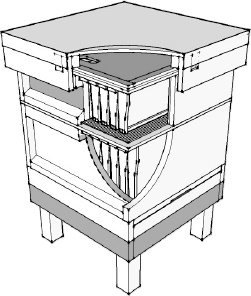
You’ll want a British Standard National Hive – the most common type used in the UK.
One flatpack from a reputable company with a stand will set you back around £365. Plus, you’ll also require the tools (and ability) to assemble one correctly.
Bees
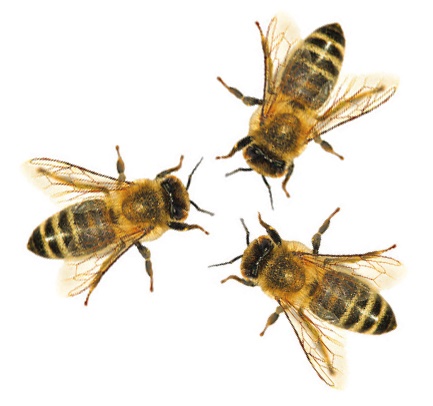
A small nucleus of bees costs £150 or more, unless you’re lucky and get some raised for you by a mentor
PPE

An all-in-one bee suit is recommended, plus gauntlets, a smoker, and hive tools. The list is endless. This can be well over £400 worth of kit.
Honey extraction
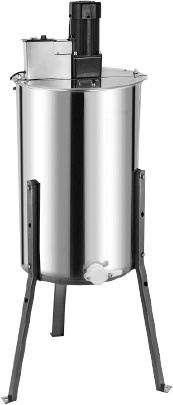
You have to factor in the honey extraction from the comb; extractors are not cheap! This is another reason why being a local association member helps, as most have a communal extractor that you can borrow.
Extractor in hand, you need to jar and label everything before selling it.
All-in-all, beekeeping is not a cheap hobby. I found it cost around £1,000 for the first hive, and then it got slightly cheaper for any additional hives.
Source: PPC108