PRESS RELEASE
When a cockroach is spotted scurrying across a kitchen floor, whether it’s a domestic home or business, it can understandably be a cause for alarm.
Here, BASF’s Helen Hall advises on some simple steps to combat cockroaches and how to prepare areas before treatment, whether you’re treating a hospitality venue, food hygiene establishment or domestic setting.
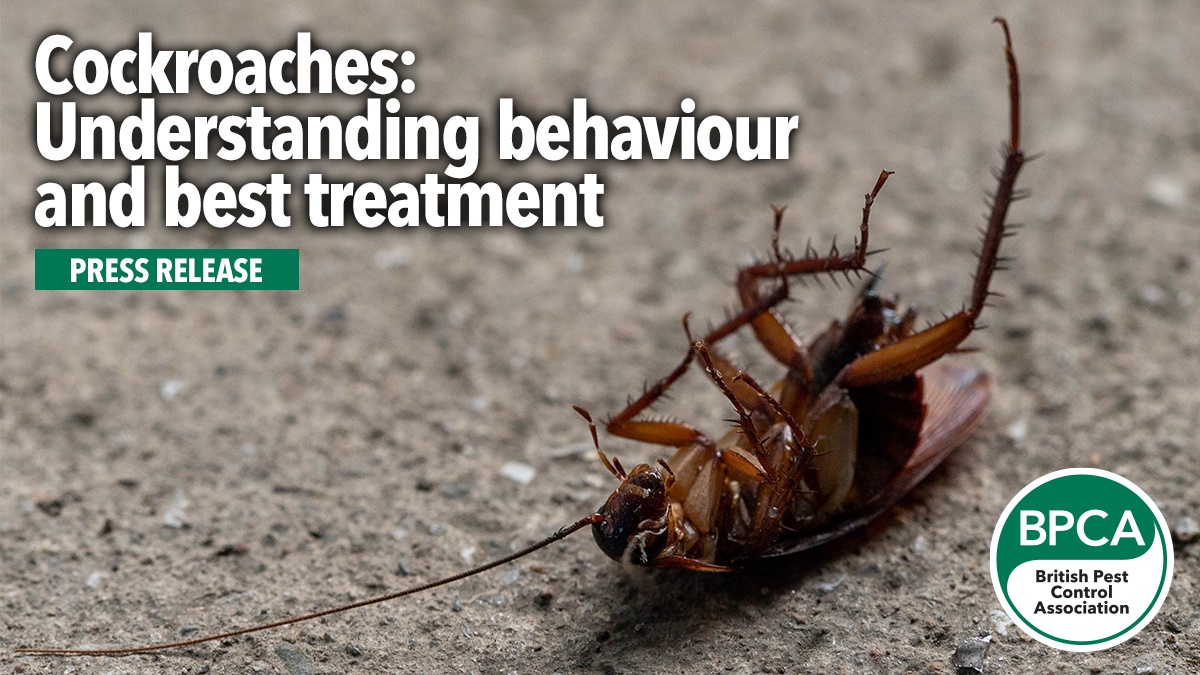
All pest professionals know that controlling cockroaches can be an uphill battle, due to their lifecycle, reproduction rates, and skills at concealing themselves.
Aside from being an unwanted guest, roaches also carry a host of bacteria, which can cause salmonella, staphylococcus and streptococcus if deposited on food, posing a serious risk to health and safety.
While cockroaches can strike at any time, it is during the warmer months that most pest professionals expect to see an influx of cockroach jobs.
The single biggest thing that attracts cockroaches is a food source, having been known to feast on anything from food scraps to cardboard, soap and even faeces, so even the cleanest of establishments can quickly become susceptible to an infestation.
With that in mind, we suggest taking the following pest management approach if you suspect cockroach activity.
1. ID your pest
The first step is to identify if it is cockroaches you’re dealing with and which species.
It can be difficult to spot a live cockroach, as they are nocturnal creatures and notoriously nimble! Keep an eye out for tell-tale signs such as droppings, egg cases, shed skins, or damage to food or packaging.
If possible, do this in the dark using a red filter on your torch, this won’t disturb the cockroaches and send them back to their harbourages. It might even be worth considering, with some sensitive sites, having a night inspection as part of the contract.
If the infestation is large, you may even notice an obnoxious odour.
A really useful tool is a sticky insect or cockroach monitor. If used correctly, not only will they tell you which species you’re dealing with, but they will also tell you so much more.
They can give you an indication of the size and extent of the infestation, the age of infestation (is it all adults, first instars or a full range) and areas of harbourage.
When using cockroach monitors it’s important to map and number where they are placed and also which side is adjacent to the wall/floor junction.
This will allow you to then see the direction of travel (if they have entered the monitor from one end and not the other) recording the numbers (adults, sex, ootheca), and will build up a picture of areas with high or low activity and then you can focus your treatment accordingly.
2. Spick and span
Once you have confirmed that it is cockroaches, and the species you’re dealing with, there are some standard hygiene procedures pest professionals must carry out before any treatment can take place.
Ensure that the site is thoroughly cleaned and pay particularly close attention to any nooks and crannies, especially on catering equipment such as hobs, ovens and warming cupboards where there may be food.
Also look at water sources, such as cupboards with leaking taps or underneath or backs of refrigerators where the compressor and drip tray is, as cockroaches like areas which are warm, dark and damp.
It’s not unusual to find some species outside, especially if it’s south facing. Also be mindful to check the tread of your shoes or the bottom of any equipment as you don’t want to take them home!
3. Beginning treatment
Once you’re satisfied that the site is cleaned, you can begin a chemical treatment.
A gel should be used in preference to a spray - pyrethroid insecticides are sometimes used to flush cracks as part of the inspection but are best avoided for treatment.
An insecticide with an active ingredient like fipronil offers fast, effective and immediate results.
Importantly, it offers a cascade effect for immediate control, taking advantage of the fact that poisoned cockroaches return to their harbourages before dying.
There, other individuals consume both their faeces and remains, in turn consuming the poison themselves.
Not only does this save pest controllers time and money thanks to killing by a single bait point, but it also means that the active ingredient reaches the young nymphs and egg bearing females who don’t often venture far from the harbourage, thus breaking the life cycle.
Gels can be easily and discreetly applied using a bait application gun for precision control – simply apply to cracks and crevices for proven, low dose efficacy within hours.
Remember to keep using your monitors and doing a visual inspection to track the infestation until there is no further activity.
4. Seal it up
Now that the site is clear it’s important to inspect, identify and repair any damage to surfaces, walls, or fittings, which may provide harbourage to any future infestation.
Cockroaches can fit through extremely small spaces – as tiny as one millimetre or a quarter of their body size – so make sure any possible passageways are sealed.
This is because cockroaches have an exoskeleton and can flatten their flexible bodies, splaying their legs out to the sides!
WANT TO SHARE YOUR EXPERT TIPS?
Send us your press releases and advice for managing pests, and we might put it on our website or in our magazine.
[email protected]
Source: BASF press release