OPINION | PPC103 MAY 2021
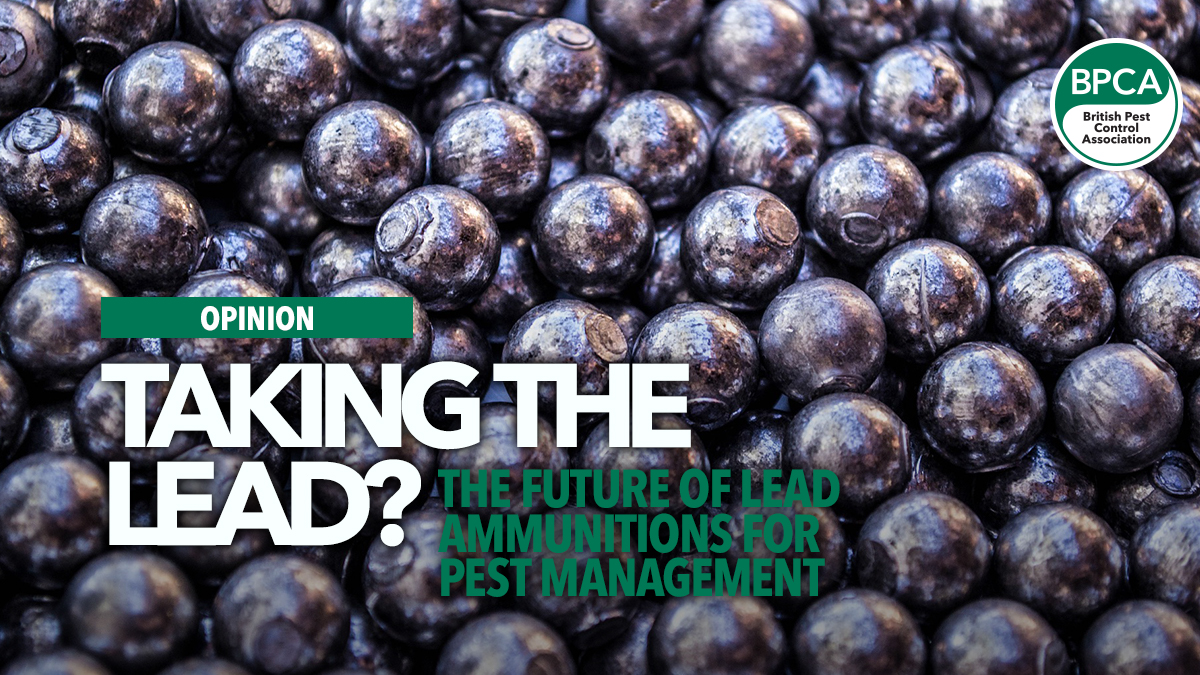
Lead as a form of ammunition in any form of weapon from a shotgun to a full bore rifle is continuing to fall out of favour; in many cases it is now illegal in the UK and indeed Europe.
Regular contributor Dave Archer, from DKA Pest Control, asks: “Is it time to think about surrendering our lead?”
There are many reasons for the demise of lead ammunition.
Initially, in the early 1990s, it was recognised that lead shot was harmful when ingested by waterfowl. Since November 1999, many areas have seen a ban on the use of lead ammunition.
It’s the responsibility of the shooter to ensure that only non-lead shot is used wherever lead shot is banned under those regulations.
Lead in the food chain
Not only does lead pose a danger to the wildlife that ingests it, but it also poses a danger to humans who consume animals and birds shot with lead pellets or bullets.
For pest control purposes, the shooting of wood pigeons using lead shot is still legal.
However, it’s worth remembering that UK wildfowlers have used non-lead cartridges for more than twenty years, and that British pigeon shooters have increasingly used steel – as the price paid per bird taken with non-lead shot has increased.
The development of biodegradable wads for steel shot is a real game changer for the future use of steel cartridges.
Game harvested with non-lead shot will not come with a Food Standards Agency (FSA) warning, meaning it can be enjoyed and can be eaten more frequently by everyone.
Orange is the new grey?
For deer managers, the use of lead bullets to cull deer is still perfectly legal, but it is becoming increasingly problematic insofar as game dealers cannot allow deer shot with lead to enter the human food chain.
As a projectile, lead has the capacity to fragment. Therefore, the likelihood of ingesting lead particles, and subsequent harm to the consumer, cannot be overlooked. As a consequence, the commercial price offered for deer shot with lead as opposed to copper is now falling.
Copper doesn’t normally fragment on impact; so there are no metal fragments in the impact area, as opposed to lead, which is also toxic if ingested.
Copper bullets as a viable alternative to lead are now widely available but are considerably more expensive. However, this is largely outweighed by the fact that, as with non-lead shotgun cartridges, game dealers will pay a higher premium for deer shot with copper bullets.
As far as regulatory bodies and shooting organisations are concerned, the European Chemicals Agency (ECHA) has announced proposals for a near-total ban on the sale and use of lead ammunition for airguns, shotguns and rifles.
The British Association for Shooting and Conservation (BASC) is warning that, despite Brexit, moves to restrict lead ammunition in the EU could still impact shooting in the UK. This follows the publication recently of EU regulations that will ban lead shot in and around wetlands from February 2023 onwards.
What about airguns?
The community currently unaffected by any such legislative impact are air gunners.
However, as practical pest control often sees the use of air rifles, and in light of the above statement from the ECHA, it is in the interest of everyone involved in the use of air rifles, both from a personal or vocational related use, to ensure their actions are legal.
Alternatives to lead pellets are now freely available.
If you use air rifles, either recreationally or professionally, I suggest it is now only a matter of time before alternative materials such as tin or steel pellets will become mandatory for these weapons as well.
It may well be that other pellet designs in alternative metals such as slug or hybrid slug may even suit your needs better.
Of course, when using alternatives, as per safe handling and good practice, always ensure you re-zero your air rifle on a range or in a safe area with a suitable background before live use, as the new materials may well react differently to what you are used to.
The pest control world is changing with increased speed and, as consummate professionals, we must all do our absolute utmost to remain informed, competent and legal.
Your comments
Will you be switching from lead munitions to something less hazardous? Send us your thoughts and we might print them here.
[email protected]
Source: PPC103