PRESS RELEASE
BPCA member PGH Beegone says the UK's bee population has been given a fighting chance as a result of lockdowns and reduced travel this last year.
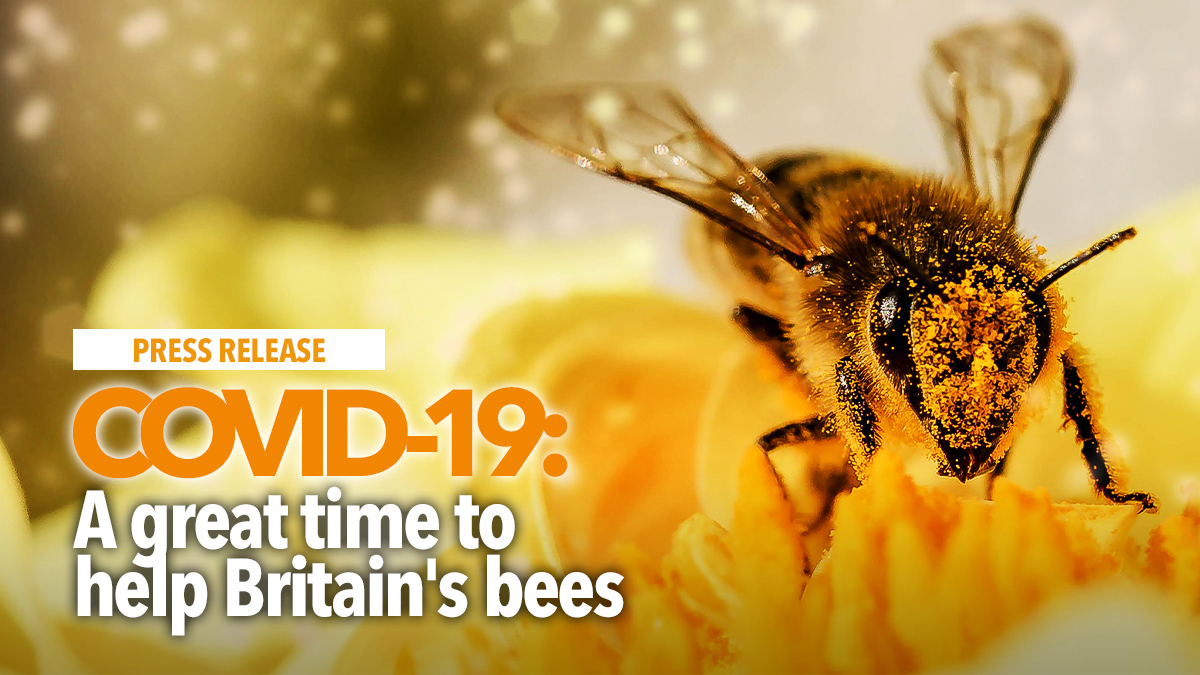
Wildflowers on road verges have been left to grow and a reduction in traffic fumes means bees shouldn't have to travel as far for good quality pollen.
What's more, there's been an increase in people trying out beekeeping for themselves - the number of beekeepers registered on Beebase, the National Bee Unit's voluntary database, is two-and-a-half times what it was 10 years ago, having gone from 16,000 in 2010 to 42,000 in September 2020.
The UK is home to over 250 bee species, including 24 bumblebee species and one honeybee species, while the remainder is made up of solitary bees.
These figures are good news - bees are vital for a number of reasons. Not only do they pollinate crops, which improves food production levels, but they help plants to survive.
In the UK the estimated value of insect pollination to crops resulting in higher yield and better quality of seeds and fruit is £400m - £700m. Bees produce honey which has antibacterial properties and is therefore of health benefit both when ingested and when used in various skincare products.
They also create wax, which can be found in candles, beauty products and furniture and is often used to preserve produce.
For solitary bees, building a bee hotel in a garden environment can provide a safe nesting and breeding site.
There are many things that we can do to help bees - and these vary from species to species.
For solitary bees, building a bee hotel in a garden environment can provide a safe nesting and breeding site.
Bumblebees, meanwhile, can be supported with the right choice of plants in a garden, such as high pollen flowers like sunflowers, lavender, foxgloves and even vegetable plants. Avoid rapeseed, as when its brief flowering period ends, it can lead to mass starvation.
Honeybees will also appreciate high pollen flowers, but be warned, the products used to treat gardens can cause devastating effects. Homeowners should use organic products and natural alternatives - such as milk - where possible, rather than synthetic pesticides and plant treatments.
Beekeeper Dan Paul from Surrey says: "I've kept honeybees for three years now, but before that, I spent almost 12 months researching the idea and educating myself. I have an apiary of 10 hives with my grandfather and find it an extremely rewarding pastime.
"My bees produce around 250kg of honey per year, which has therapeutic benefits for my mother, who suffers from ME and hayfever. I'm passionate about saving bees because of their importance to our whole ecosystem - we need to start appreciating them and spreading the word about their benefits."
Now, more than ever, bees need our help, so hopefully some of these tips have been useful.
JOIN THE PGH BEEGONE FAMILY
To learn more about starting a business with PGH Beegone to save honeybees, contact Caroline Szeremeta, Franchise Business Development Lead.
01483 387414
[email protected]
Source: PGH press release