Marketing | PPC93 December 2018
Photography leaves a lasting impression on current and potential clients, be it for a snappy piece of print, a team pic for your website, or just something for social media. Ken Davidson, the consultant designer of PPC magazine, offers advice on getting the best from your photographs.
As I sit down to put together another PPC mag, I have a folder stuffed with photographs submitted by members. Sadly, it’s often the case that the pictures submitted do not do you justice. And, if this is the calibre of the photography I get sent, I worry that your own print materials and web pages may be making a somewhat poor first impression. This is a guide on how to not be another victim of poor photography.
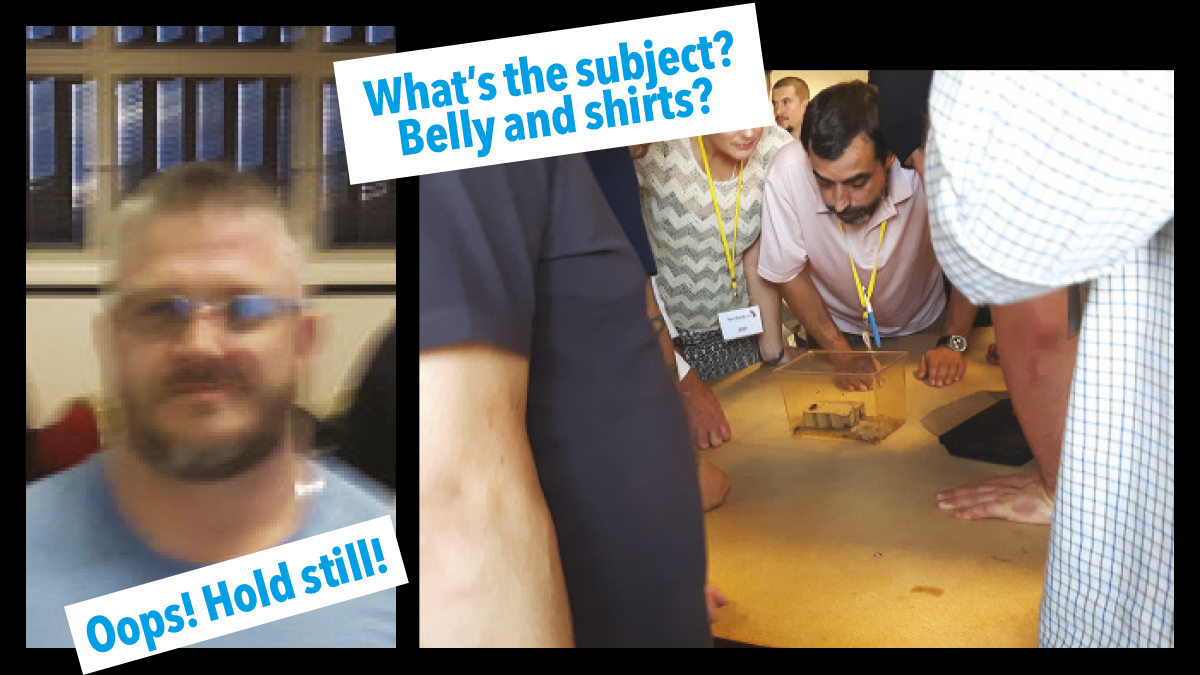
The first point of contact between your company and a client is often your website or brochure. You’re likely to have photographs of you and your team at work or standing by your van. But often the work you showcase is not based on the merits of the job, but instead on whether any half-decent pics exist or not!
You only get one chance at a first impression. What could be better than having ravishing, pin-sharp pictures of your work, when your competition may not?
Professional hire or amateur chancer?
As smartphones and digital cameras get better, for lower cost, it is easier for everyone to get apparently acceptable shots. But using an amateur to take important pics can be a false economy. The impact from a professionally-taken image is far stronger than that of a snap taken in haste. Professional photography will sell your product or your company, while amateur photography may stall the sale.
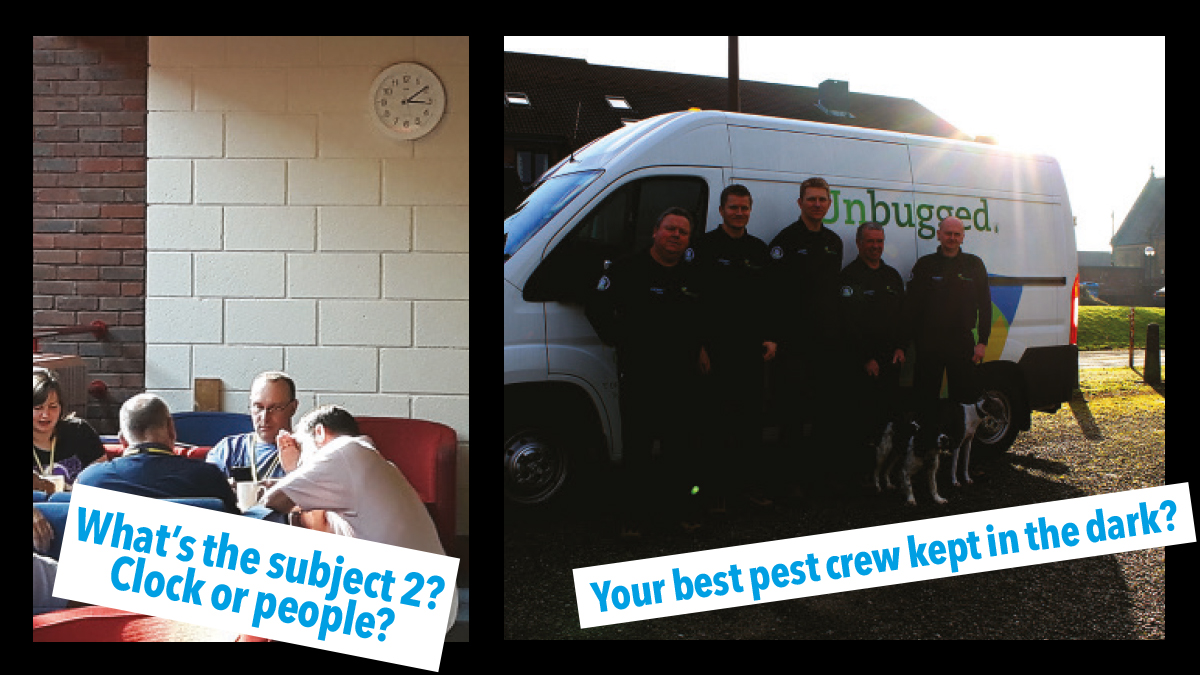
However, in certain circumstances it may not be appropriate to employ a photographer: project value, client site restrictions, or simple lack of time may all conspire against you. In these cases, there are some things the keen amateur can do to improve picture quality.
Photographers are perceived to be expensive creatures...
...but this needn’t be the case if you negotiate a shoot based on a short session, and get someone local to the project. Moreover, there exists a new breed of photographer who does not adhere to the outmoded model of copyright control and prohibitive print reproduction costs, especially for pictures that have little creative use beyond marketing the client’s project.
A professional photographer is not just someone with the right kit. They understand how to capture images that are right for a client’s business and convey the message required. Their experience enables them to obtain successful results where many would fail.

DIY PEST-PIC TIPS
- Steer away from auto settings and get to know your camera. Even smartphones tend to have pro settings now. Experiment to see what works best. Download an app that allows fine control of parameters – I’m not talking about filters and effects but settings that are in place before the shot.
- Even if your camera has image stabilisation, in low light you will get blurring - invest in a cheap tripod or find a surface to brace your camera.
- Do not use digital zoom! Move closer or your image will suffer.
- Portrait? Don’t get so close that your subject’s nose will look too large due to lens distortion.
- Think about the picture. Take your time to frame the shot to highlight the subject you want.
- We’re keeping this simple, so try to keep a light source behind you or to the side. Electric light isn’t usually strong enough to worry us but daylight can be problematical. If inside, draw the blinds, or put your back to the window and use that tripod. If outside stand with your back to the sun. Harsh light is your enemy!
- If you can’t avoid getting the window in the shot, then take a range of shots with different exposure times. One should be a suitable compromise between under and over-exposed.
- Suppress the camera flash to avoid nasty reflections.
- Try to keep all vertical lines parallel. If your subject is too high, and therefore impossible to be at eye level with, then try angling the shot for drama (Google ‘Dutch angle’).
- Criticise the picture: is there anything that shouldn’t be there? Dirty marks on your van? Litter in the background? General untidiness?
- While your audience wants to see you at work, I suggest not using photographs with any carcasses in the shot. Choose a picture of getting equipment out of your van or doing a site survey.
- The camera is digital – take lots of pictures! It won’t cost you a penny more, and you’ll not kick yourself for the shot you missed.
- High megapixel count does not equal quality! For most applications short of very big prints, a 5-megapixel camera is sufficient, if all other camera features are of a high quality; low noise, good colour balance and practised framing are all more important than image resolution.
- Use rudimentary image editing software to crop, align and colour-correct your pictures – but only if this does not degrade the final image. Be wary of this, a fancy-pants filtered shot is of little use to the graphic designer trying to print your image, trust him or her to treat your image according to its use.
- Finally, if doubt exists, use a professional!
Source: PPC93