At its quarterly meeting in Brussels on 13 December 2017, CEPA (Confederation of European Pest Management Associations) confirmed the appointment of the consultancy Darwin Associates to take charge of running the CEPA secretariat in Brussels as of 1 January 2018.
In a statement released by CEPA, it stated that Roland Higgins, the man responsible for running the CEPA secretariat so successfully for the last 7 years (under former CEPA Presidents Akerblom, Vernié and Montmoreau) is retiring.
Among other actions, CEPA launched the EN16636 CEPA Certified standard for pest management. Today, the standard is used by an increasingly large majority of pest controllers across the UK and Europe, setting the benchmark for the professionalisation of the sector.
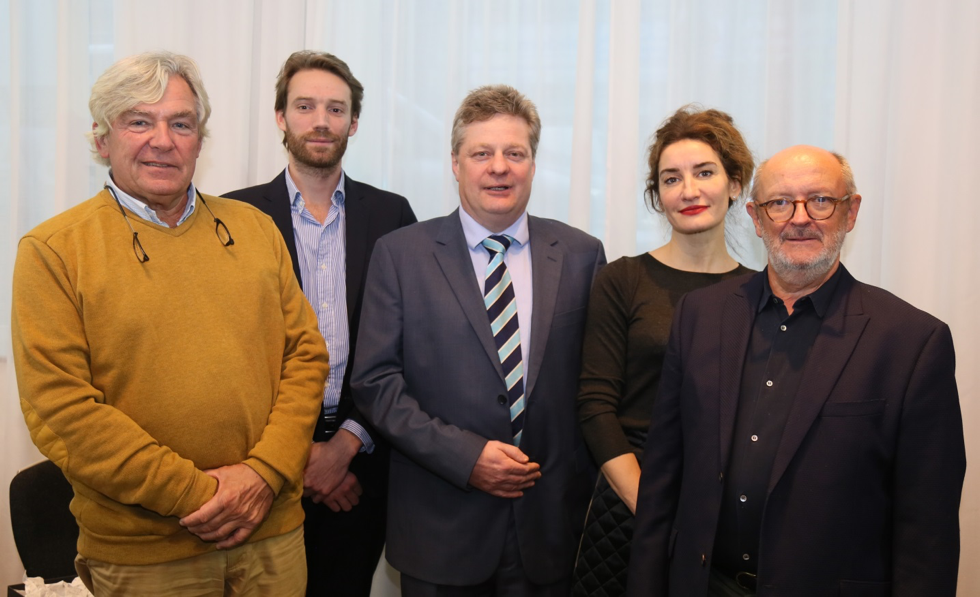
Simon Forrester, outgoing BPCA Chief Executive said:
"Roland has developed CEPA into a compelling offering for national and regional pest associations. The launch of the CEPA Certified accreditation programme has been a key success during his time with the organisation, and continues to go from strength to strength.”
“We wish Roland a happy retirement, and look forward to working with Henry and Darwin Associates to realise the potential of the Confederation and its activities for the benefit of BPCA’s membership and its client base.”
Recently appointed new CEPA President, Henry Mott, commented:
“We are extremely thankful for the work that my predecessor and the CEPA secretariat have done to set the ground for professional standards at EU level. My mandate will focus on taking the EN16636 CEPA Certified standard to the next level; making it a broad self-regulatory principle throughout Europe."
"Local communities in Europe deserve professional pest management control. I am certain that together with the national and local authorities of each European country we will be able to deliver soft-law agreements that will help the daily lives of families and businesses”
CEPA also stated that, along with its members, the organisation is committed to continuing to work together with European, national and local authorities to gain public trust and demonstrate the value to society that the pest management industry represents through the maintenance of health and hygiene.
Source: CEPA