PPC119 | TECHNICAL
In this article, Paul Westgate, Managing Director of Veritas Pest Consultancy and a BPCA Executive Board Member, shares his thoughts on the changes facing pest professionals following the withdrawal of Ficam D. Speaking at PPC Live 2025, Paul urged the industry to view this as an opportunity to invest in professionalism, rather than a setback.
SPEED READ
- Ficam D has been withdrawn from the market: using or even storing it now is illegal
- Wasp control will require new skills and a deeper understanding of chemical properties
- Pyrethroid-based dusts behave very differently from bendiocarb-based products
- Reading and understanding product labels is more important than ever
- Pest controllers who invest in their professionalism will thrive in the new environment.
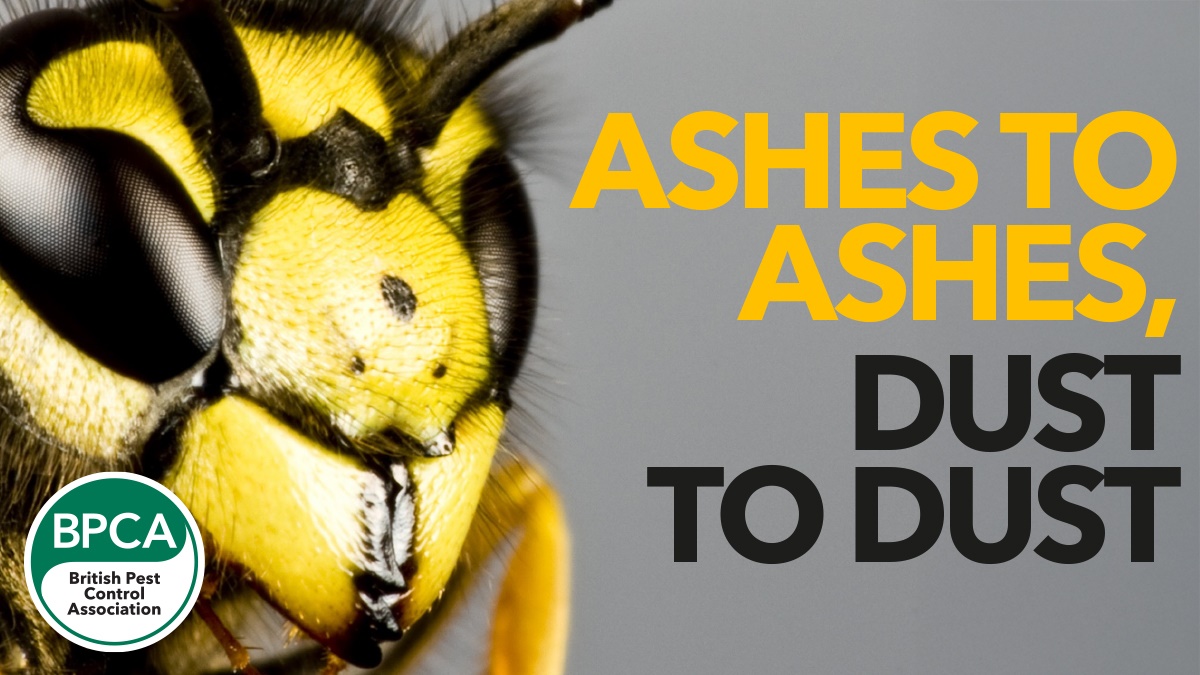
Saying goodbye to an old friend (and why that's okay)
We’re here to say goodbye to an old friend: Ficam D. It served us well, but it’s time to move on. And honestly, that’s a good thing.
The end of Ficam D isn't a disaster. It's an opportunity. A chance to sharpen our skills, improve our professionalism, and differentiate ourselves from those who cut corners or don’t know better.
As I said during my talk at PPC Live, I’m not here to sell you anything. I don’t have all the answers. However, I do want to encourage you to invest in yourself and raise the standards across our industry.
Why was Ficam D withdrawn?
Ficam D contained bendiocarb, a highly effective active ingredient, but also a highly toxic one.
When you look at LD50 values (a measure of toxicity), bendiocarb is dramatically more dangerous than modern alternatives like permethrin. If you're in charge of protecting public health, and two products are equally effective but one is much safer, it’s a no-brainer which one you would keep.
Ficam D was withdrawn because it no longer met modern safety standards, not because it didn't work. And as professional pest controllers, our responsibility is to adapt.
New dusts, new challenges
There are alternatives to Ficam D on the market: various pyrethroid-based dusts. But they behave very differently.
Where bendiocarb was slow-acting and non-repellent, allowing wasps to pick up the dust, re-enter the nest, and spread it. Pyrethroids are faster-acting and often repellent. That changes everything.
When we used bendiocarb, the wasps did the work for us. They carried the pesticide deep into the nest without realising. With pyrethroids, a wasp might die at the entrance or be repelled before spreading the product effectively.
That means we can no longer rely on the same "spray and walk away" techniques. Wasp control is becoming a skilled job again, and that’s something to celebrate.
Professionalism matters more than ever
We all need to get better at:
- Reading product labels (and genuinely understanding them).
- Understanding active ingredients and how they work.
- Choosing the proper formulation for the situation.
- Managing customer expectations.
- Updating our risk assessments in light of new products.
If Cristiano Ronaldo were a pest controller, he wouldn’t be better than you because of better boots - he’d be better because he puts in the work. Training. Studying. Practising. Investing in his skills. That’s the mentality we need in pest control.
“Read your labels. Understand your chemistry. Invest in yourself.”
Illegal use is never an option
Sadly, there will always be those who ignore the law. Those who hoarded tubs of Ficam D will continue to use it, believing it gives them an advantage. Let them.
We don’t need to compete with illegal cowboys.We need to outclass them. Be the pest controller who says, proudly: "I use legal, approved products to protect you, your family, and the environment."
That’s how we build trust. That’s how we future-proof our businesses.
Wasps will behave differently now too
One final point: because pyrethroid dusts are faster acting and more repellent, you might see more defensive behaviour from wasps during treatment. That makes full PPE even more critical.
It might also change the best time of day to treat a nest. Evening treatments, when most wasps are inside, could become more effective, but you’ll need to adjust your risk assessments and working practices accordingly.
A future built on skills, not shortcuts
The end of Ficam D isn't the end of wasp control. It’s the start of a new era - one where pest controllers who genuinely understand their craft will rise above those who simply relied on easy chemicals.
Read your labels. Update your risk assessments. Sharpen your skills. Be Cristiano Ronaldo, not a Sunday League player. Invest in yourself, and you’ll be ready for whatever comes next.
“We’re not losing wasp control. We’re gaining an opportunity to be better.”
Practical changes to your wasp control
Here’s how the end of Ficam D changes our approach:
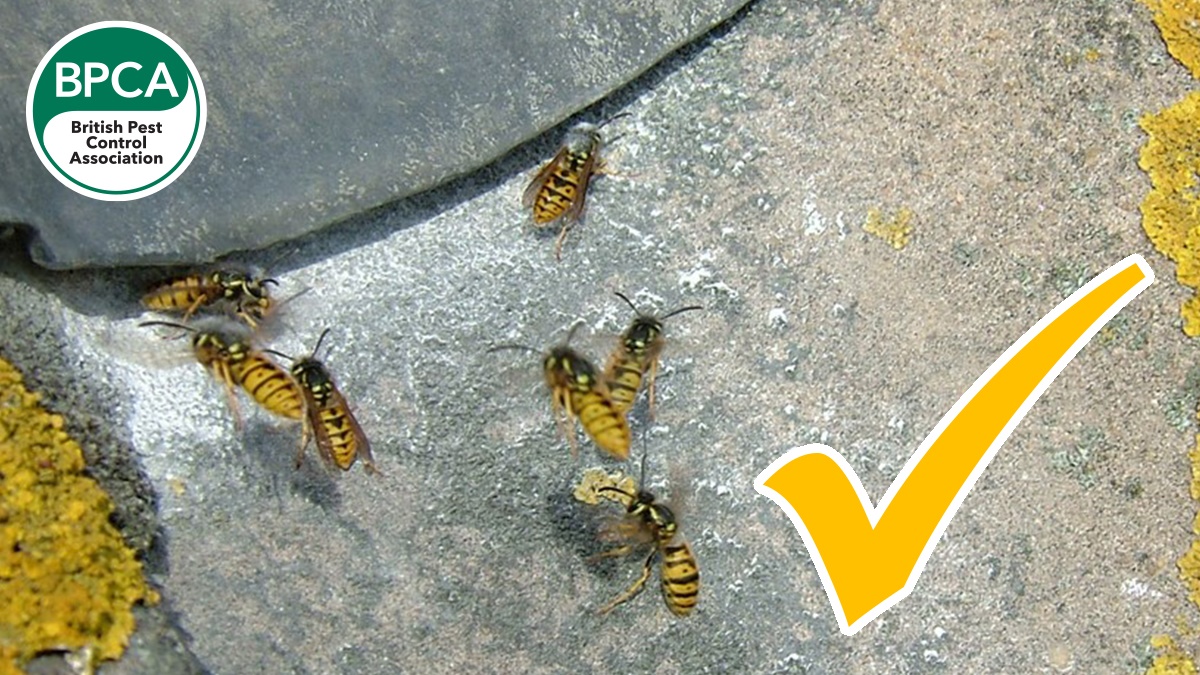
Always:
- Wear full protective clothing, even when treating “easy” nests
- Document your chemical use and method properly
- Offer nest removal as an additional service
- Communicate openly with your customers about why things have changed.
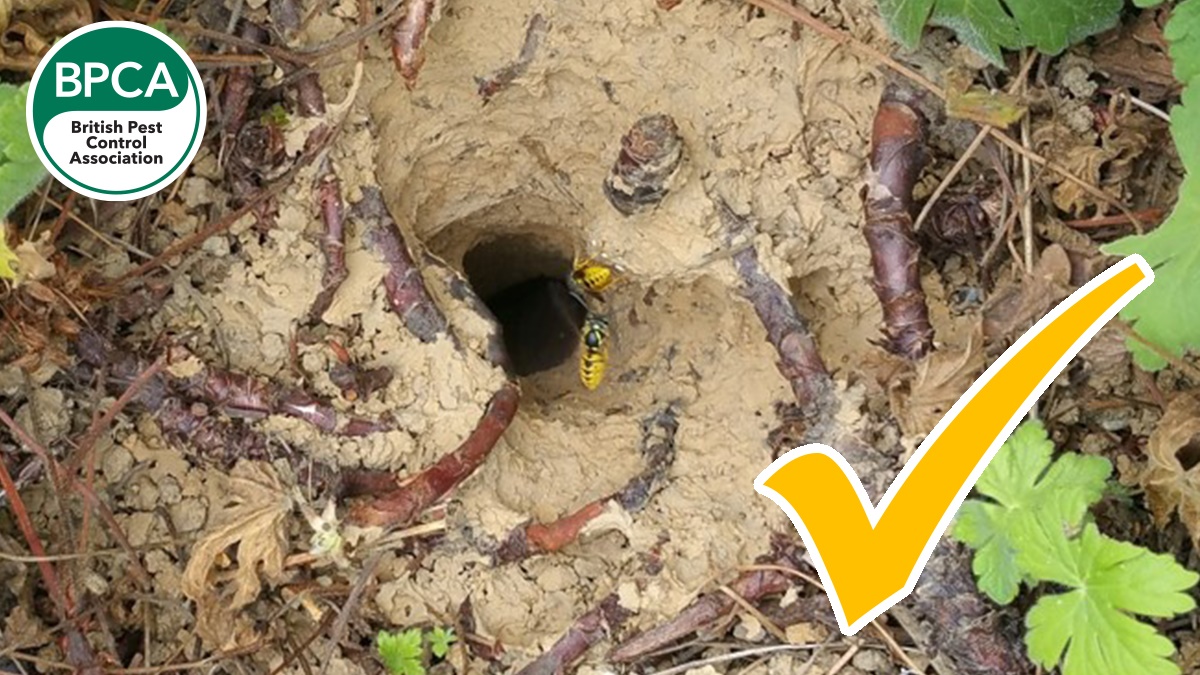
If you can’t access the nest:
- Manage customer expectations about potential two-visit treatments
- Consider alternative formulations like aerosols or wettable powders
- Consider the application equipment you select and how far they will deposit the product
- Be clear that complete eradication might take longer.
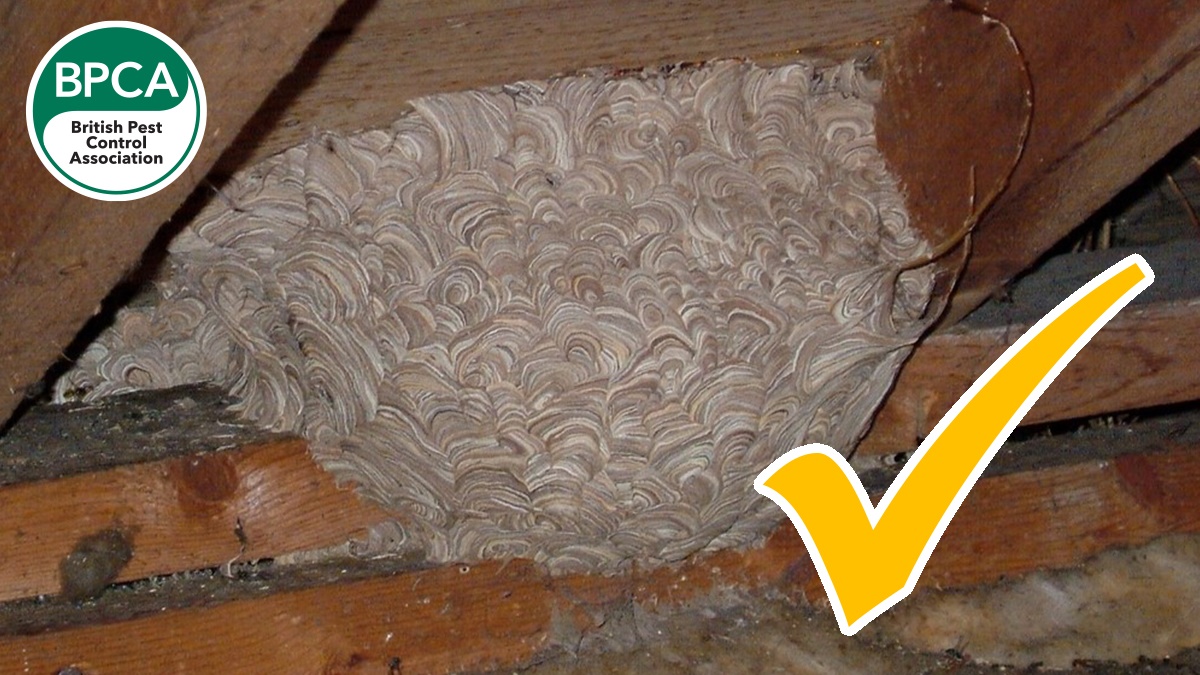
If you can access the nest directly:
- Inject products carefully into the nest, not just around it
- Use lower-repellency products where possible
- Consider other formulations, such as liquids and foams
- Monitor carefully after treatment.
Source: