RESEARCH
Researchers at University College London (UCL) are asking pest professionals to contribute to a citizen science project investigating what wasps choose to eat throughout the summer.
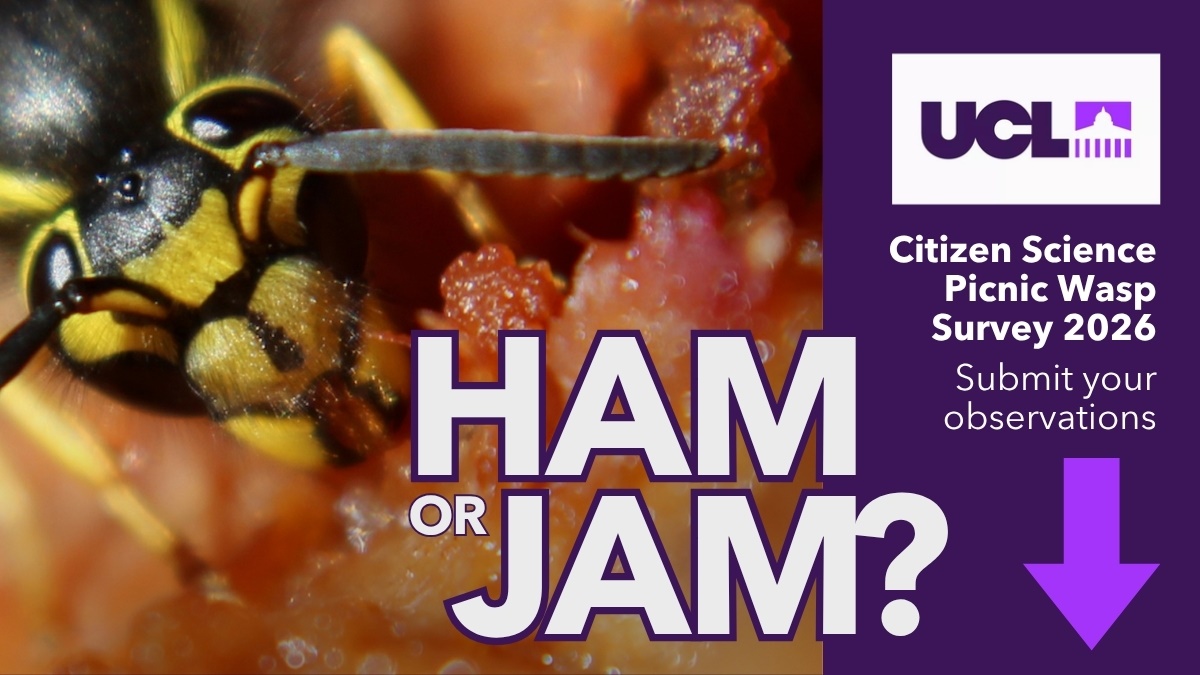
The Picnic Wasp Survey 2026 is examining whether foraging wasps prefer protein-rich foods, such as ham and other meats, or sugary foods, such as jam and soft drinks.
Researchers also want observations that could help them understand how wasp numbers this year compare with previous seasons.
Take part in the Picnic Wasp Survey
Femi Benny, a doctoral researcher at UCL studying wasps, contacted BPCA after discussing the project with members.
Natalie Bungay, BPCA Head of Technical, said:
“Pest professionals spend a lot of time observing wasps in the real world, so we’re in a great position to contribute useful evidence to research like this.
“If you spot a wasp helping itself to your lunch this summer, take a moment to see what it chooses and submit an observation. It’s a simple way to help researchers build a better picture of wasp behaviour and what’s happening with populations across the country.”
Ham or jam?
Common wasps (Vespula vulgaris) and German wasps (Vespula germanica) are among the species most likely to turn up when people are eating outside.
Their food preferences can change as the colony develops.
Earlier in the season, worker wasps collect protein to feed developing larvae. That might mean taking pieces of meat from a barbecue or picnic, although naturally they also hunt other invertebrates.
Adult workers themselves largely feed on liquids. During much of the season, developing larvae provide workers with a nutritious liquid secretion in return for the food brought back to the nest.
Towards the end of summer, fewer larvae need feeding as colonies move through their lifecycle. The workers therefore have less reason to forage for protein and less access to those sugary larval secretions.
That can leave them looking elsewhere for carbohydrates, making jam, fruit and sugary drinks increasingly attractive.
However, the timing of this shift isn't necessarily identical every year. Weather conditions, prey availability, competition and the rate at which colonies develop can all potentially influence what workers are looking for.
That's where the survey comes in.
Turn your lunchbreak into citizen science
Researchers want people to report wasps feeding where there is a genuine choice between protein and sugary foods.
For example, a wasp selecting ham from a picnic containing several different foods would be useful. A wasp found on a plate containing nothing, but ham wouldn't tell researchers whether it actively preferred protein over sugar.
Participants can report whether the wasp chose:
- Protein, such as chicken, beef, sausage or hummus
- Something sugary, such as jam or a sweet drink
- Both.
Researchers are collecting observations from May to October, so records made throughout the wasp season are useful.
Participants are also encouraged to have their phone ready and take a photograph of the wasp they observe.
The survey is anonymous; no personally identifying information is collected, and participants must be aged 18 or over.
Help build a picture of the 2026 wasp season
For pest professionals, the project is an opportunity to turn the observations technicians already make into useful research data.
Technicians working across different parts of the country see wasp activity in a huge range of environments and at different stages of the season. Those observations could help researchers build a broader picture of what wasps are eating and how populations appear to be changing.
So, if a wasp tries to steal your lunch this summer, don't just shoo it away.
Take a closer look first. UCL researchers want to know whether it's after the ham or the jam.
Submit your wasp observation to UCL
Source: