HEALTH AND WELLBEING
A survey by pest control solutions manufacturer BASF, has revealed that nearly half of pest control professionals feel their career has negatively affected their mental health, highlighting the pressures faced by workers in this demanding sector.
SPEED VIEW:
- Pest control is a high-stress industry, with nearly half of respondents reporting negative mental health impacts
- Isolation, long hours, customer interactions, and financial pressures are major stressors
- Social connection, exercise, and simple leisure activities are primary coping mechanisms
- There is believed to be a stigma and a lack of full openness around discussing mental health in the workplace
- Professional support, training, and peer networks are the most desired resources.
The findings show that stress and anxiety dominate the mental health challenges experienced on the job.
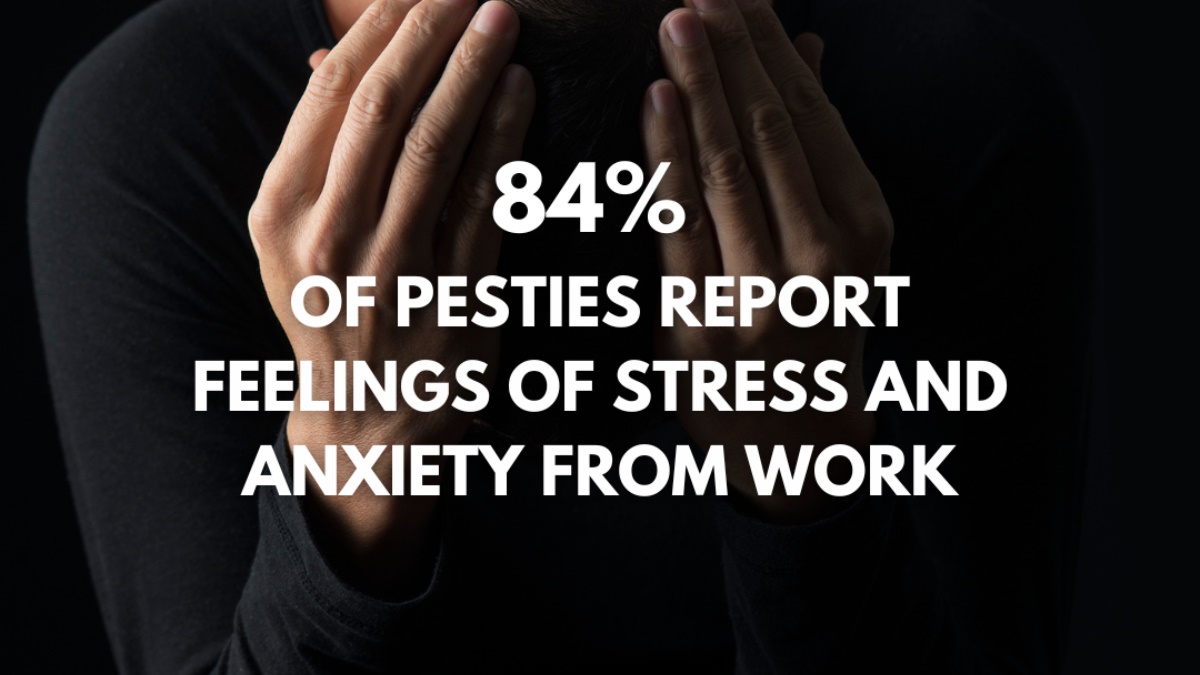
Around 84% of respondents report stress, two-thirds experience anxiety, and over 60% face exhaustion or fatigue.
Loneliness or isolation affects half of those surveyed, reflecting the solitary and demanding nature of fieldwork, which can often mean long hours on the road without company or conversation.
This combination of pressures can increase the risk of burnout, reduce job satisfaction, and make it harder for pest control professionals to seek support or maintain a healthy work-life balance.
Key contributors to poor mental health
Survey participants identified several factors contributing to mental strain:
- Money worries or the cost of living was cited by over three quarters of respondents
- Long working hours affected approximately 70% of participants
- Tricky or difficult customers is a challenge for 71% respondents.
Other contributors included challenging infestations, time spent alone, and organisational pressures such as poor management or lack of support.
Stigma remains a barrier
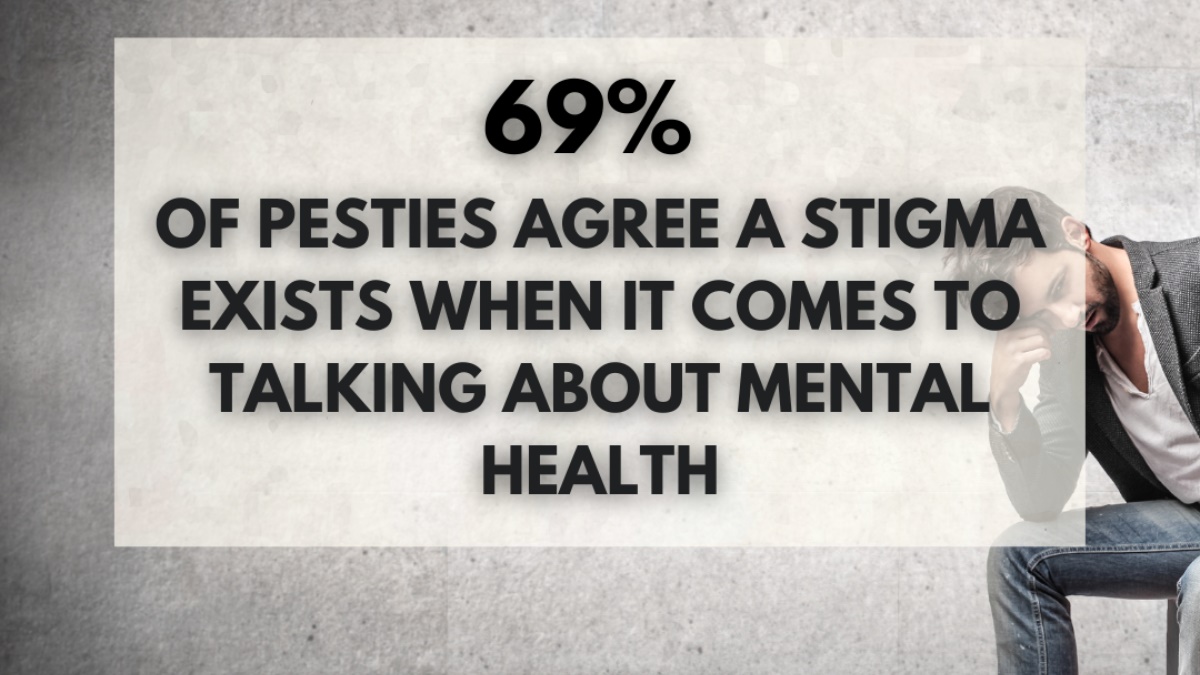
Despite growing awareness, stigma around mental health continues to prevent open discussion.
Nearly 70% of respondents believe stigma persists in the workplace.
Only 38% pest controllers reported feeling fully comfortable discussing mental health with colleagues - a notable shift from the 2024 survey, when the majority felt able to talk openly with peers.
Support and resources needed
Counselling and mental health training were the most frequently requested support measures, highlighting a need for more recognition and education around recognising the signs of declining mental health.
Respondents also highlighted the importance of peer support networks, industry-specific initiatives, and improvements in workplace culture.
Laurence Barnard, Country Business Manager at BASF, said: "Pest control is a challenging profession, often involving long hours alone, mentally demanding or unpleasant tasks, and regular interaction with difficult customers.
"This survey shows that these pressures take a tangible toll on mental health. More needs to be done to provide support and destigmatise mental health issues in the sector."
He continued, "By having these conversations, we can explore ways to support pest technicians with guidance, peer support, and a safe community to share challenges.
"I want to thank everyone who contributed to this survey; their insights have highlighted vital findings and confirmed that urgent action is needed to protect mental wellbeing in pest control."
Practical steps to improve wellbeing
While the survey highlights significant challenges, there was some positive insights. Respondents shared a range of practical coping strategies and resources that can help improve mental health.
Access to counselling and mental health first aid courses was seen as particularly valuable, alongside fostering peer support networks and industry connections, which provide opportunities to share experiences and advice with fellow pest controllers.
Encouraging open conversations about mental health, both within teams and across the sector, was highlighted as an important way to reduce stigma and create a supportive environment.
On an individual level, many respondents emphasised the importance of setting boundaries, finding a trusted colleague, peer or work buddy to check in with, and prioritising physical and mental wellbeing through activities such as exercise, hobbies, or simply taking time for themselves.
Together, these measures suggest that a combination of professional support, social connection, and personal strategies can make a real difference in protecting mental health in the pest control industry.
BASF will be releasing more data from the survey, plus guidance and tips shared by pest controllers on how they manage and look after their mental health on its social media platforms, Facebook and X.
Source: BASF press release