BUSINESS
Oil prices have surged above $100 a barrel for the first time in years following conflict in the Middle East, pushing up petrol and diesel prices across the UK.
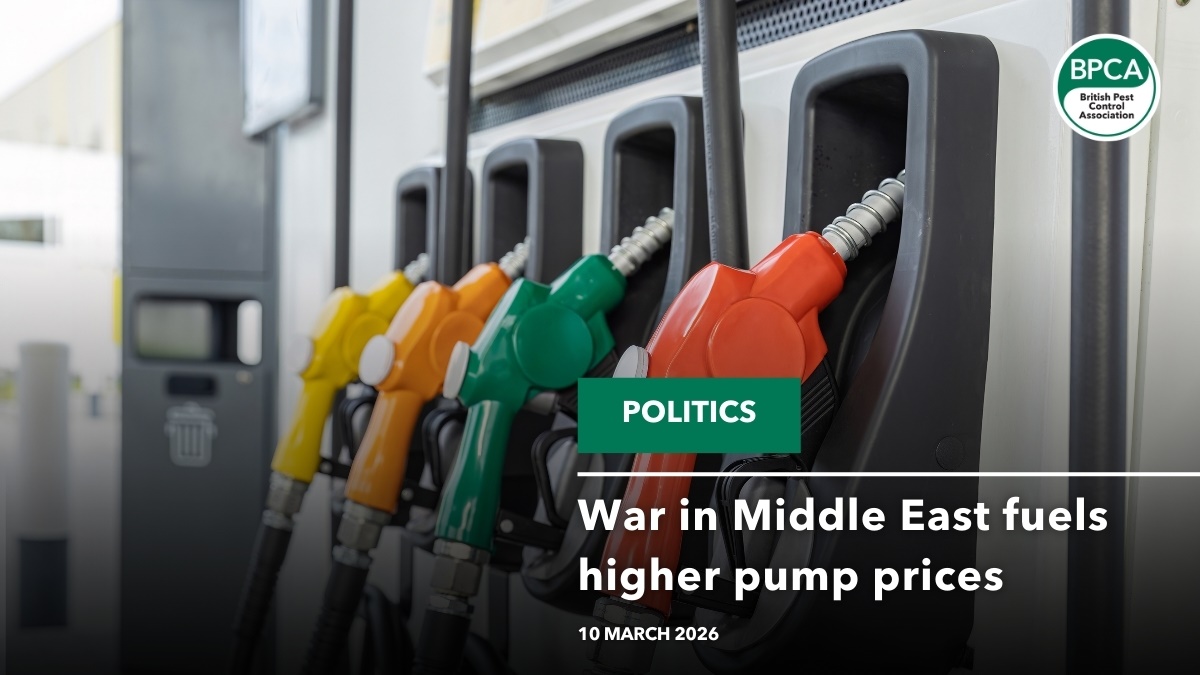
The rise follows airstrikes launched by Israel and the United States against Iran on 28 February. Markets reacted immediately, with crude oil prices jumping sharply as concerns grew about supply disruption in the region.
In the UK, motorists have already seen the impact. Data from the RAC shows that between 2 March and 9 March, average pump prices rose by 9.43p per litre for diesel and 4.95p per litre for petrol.
Global oil prices also climbed rapidly during the same period. On 9 March, crude oil reached $120 a barrel, before settling at around $104. Just days before the conflict began, oil was trading at approximately $72 a barrel.
Analysts warn that if the conflict continues, prices could climb as high as $150 per barrel, which would push pump prices even higher.
Why have oil prices risen?
The biggest factor behind the price spike is disruption to global oil transport routes.
On 2 March, representatives of Iran’s Revolutionary Guards announced the closure of the Strait of Hormuz, a narrow shipping route that handles a significant proportion of the world’s oil and gas transported by sea.
The announcement included threats to attack vessels attempting to pass through the strait. Within 24 hours, five commercial ships had reportedly been targeted, effectively halting traffic through the route.
At the same time, oil production facilities across the Middle East have also been targeted during the conflict, further tightening supply.
Although the UK is not directly short of oil, fuel prices are set on global markets. That means disruption elsewhere in the world can quickly translate into higher prices for British businesses and motorists.
What it means for businesses and drivers
Rising fuel costs are likely to have wider economic consequences.
The Chancellor, Rachel Reeves, told the House of Commons that price instability is likely to continue while the conflict remains unresolved. She warned that a prolonged closure of the Strait of Hormuz would increase the risk of inflation rising again.
Before the conflict began, forecasts suggested inflation could fall back to the government’s 2% target next year. With energy costs rising again, that outlook is now less certain.
Motoring organisations say drivers should continue refuelling normally but look for ways to reduce fuel consumption.
The AA advises motorists not to change their refuelling habits but to consider cutting non-essential journeys and adopting more fuel-efficient driving styles.
The RAC has warned that the situation for UK drivers is “looking increasingly bleak” if wholesale oil prices remain elevated.
For pest management businesses and other field-based services that rely on vans and regular travel, rising pump prices could translate into higher operating costs in the months ahead.

Source: