TECHNICAL | PPC112 September 2023
Following the first lockdown of March 2020, research by Richard Warren, an MSc student at the University of Derby, investigated the effects on the population of brown rats (Rattus norvegicus) in the UK.
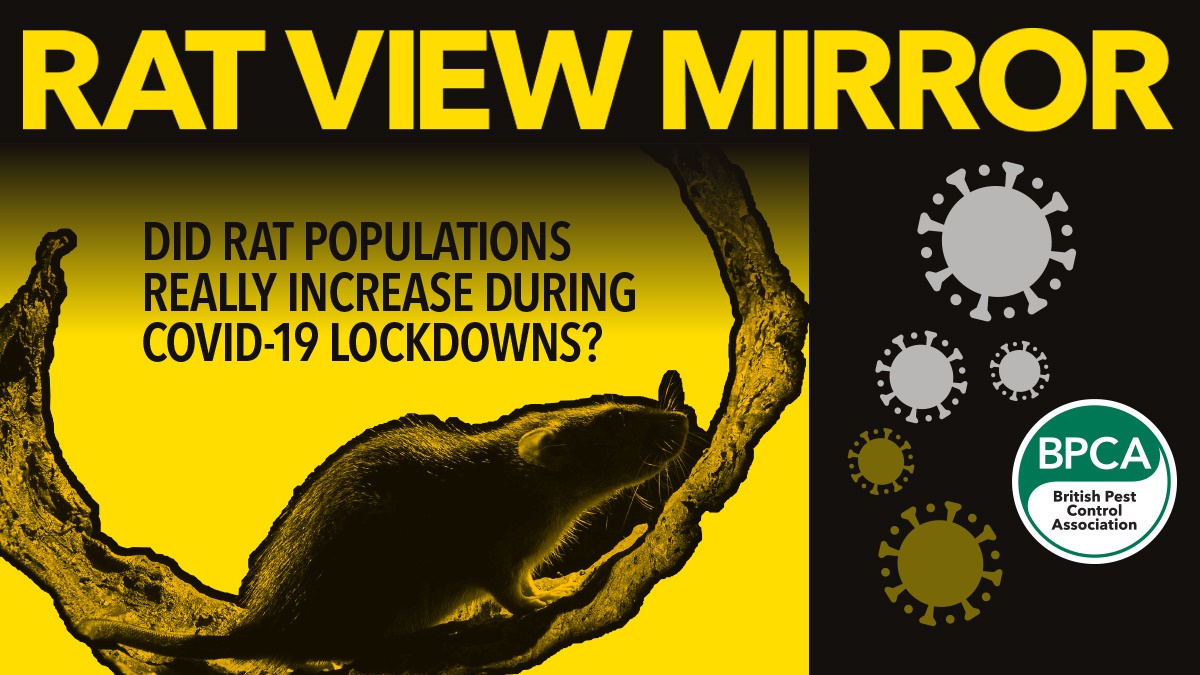
The research followed an increase in media reports of rat sightings across the UK. A questionnaire was distributed to pest controllers covering a range of issues, including the numbers of rat sighting calls and possible reasons for these sightings.
The survey also looked at the uptake of treatment baits at pre-lockdown locations, following the easing of lockdown.
It also asked if pest controllers believed there had been an overall increase in the rat population or if increased sightings were due to rats in search of new food sources.
Additionally, a Freedom of Information (FOI) request was sent to UK local authorities, requesting the number of reports of rat problems per year from 2018-2022.
Finally, pest controllers were asked if they believed there would have been an increase in reports even if lockdown had not occurred and, if so, the reasons for this.
The results
Over 70% of pest controllers experienced an increase in calls for rats since March 2020, with an increase of 30% during the spring and summer (a time which would traditionally see the least number of calls).
Twelve months on from the initial lockdown and pest controllers were still receiving an overall increase in rat-related calls.
The main reasons included:
- Increased domestic waste as residents remained at home
- Reductions in waste collections
- Reductions in local authority pest control
- Closure of food establishments
- Reduced footfall in busy areas, emboldening rats to seek out alternative food sources
- Increased bird feeding as more people stayed at home or went to local parks
- Closure of waste sites resulting in increased harbourage.
Pest controllers were also asked if there was an uptake in poison baits close to food establishments since the lockdown. 45% had not experienced this, indicating that significant numbers had deserted their previous feeding grounds.
Regarding the overall rat population, approximately 60% of pest controllers felt there had been an overall increase.
Evidence included increased call outs, sightings of rats during visits, increased sightings in gardens, call outs to buildings not previously reporting rats, increases in pest control supplies being purchased and more rats being trapped.
When asked if there would have been an increase in rats if lockdown had not occurred, over 38% thought there would have been while 37% disagreed, with the remainder undecided.
Those believing there would have been an increase cite contributing factors such as less severe winters, popularity of bird feeding, reduced waste collections, reduced sewer baiting, reduced local authority pest control and increased immunity to poisons.
Examining the local authority data, rural councils tended to receive more rat sightings during the 12 months following the lockdown, while some urban areas observed a decline.
However, as the lockdown eased, these numbers reversed as food establishments re-opened. This further indicates that rats initially migrated for alternative food sources before some rats returned to traditional haunts.
“...approximately 60% of pest controllers felt there had been an overall increase.”
Overall, it is likely that there was an increase in local rat populations in the UK, where rats have not had to rely on food waste and experienced less disturbance.
Conversely, there will be other areas where rats have been affected by lockdown measures, reducing the local population. Where rats had to compete for limited resources, muricide and cannibalism may have occurred – while other rats had to relocate, these may have been predated (particularly younger rats) or succumbed to pest control.
As lockdowns have ceased, the reasons outlined for any population increase (eg milder climate, continued bird feeding, reductions in waste and pest control services) will aid future populations.
Furthermore, local authority green schemes which result in less vegetation control may help rats to thrive.
As such, it is likely that in the next few years, independent wildlife organisations will provide data to confirm any actual increase in the UK rat population, as opposed to the current perceived increase.
Interested in pest control research?
BPCA is looking for members to join a new working group aimed at creating links with the academic community and keeping up-to-date with research. If you’d like to know more about getting involved, get in touch.
hello@bpca.org.uk
Source: