OPINION | PPC112 September 2023
Pest managers play a crucial role in maintaining public health and ensuring the safety of our homes and businesses.
In this opinion piece, Envu's Richard Faulkner explains why he believes that in the battle against rodent infestations, the responsible use of rodenticides stands as an essential tool to effectively manage these widespread pests.
Targeted and efficient control
As pest professionals know well, rodents pose significant threats to human health and property. They carry diseases, damage infrastructure, contaminate food sources, and reproduce rapidly.
Traditional control methods, like trapping, can be effective but often fall short in dealing with large infestations. Rodenticides, on the other hand, provide pest managers with a highly targeted and efficient means of controlling rodent populations.
They can be strategically placed in areas where rats and mice frequent, effectively reducing their numbers and limiting the spread of diseases.
Increased safety and reduced health risks
Modern rodenticides are designed with a focus on safety, both for humans and non-target species. The industry has made significant advancements in formulating rodenticides that minimise the risks associated with their use.
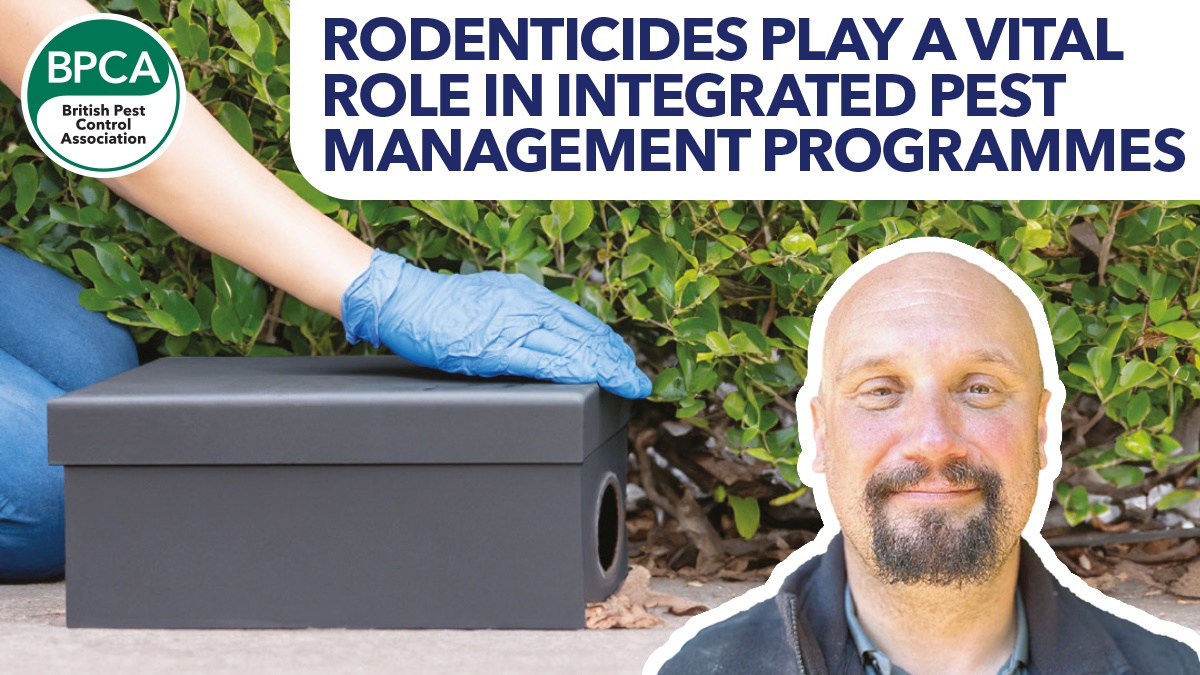
Many products available today have lower toxicity levels, are designed to prevent non-target poisoning, and further safety measures can be put in place, such as securing the bait inside of fixed and locked tamper-resistant bait stations.
Pest managers, with their expertise and knowledge, can effectively select and apply these rodenticides in a manner that reduces potential hazards, making them an indispensable tool for effective, safe and responsible pest control.
Time efficiency and cost-effectiveness
In pest control, time is of the essence. Rodenticides offer a distinct advantage in terms of time efficiency. When used properly, they provide rapid reductions in rodent populations, preventing further damage and contamination.
The use of rodenticides allows pest managers to efficiently address infestations without the need for extensive labour-intensive efforts.
Furthermore, rodenticides are often cost-effective when compared to alternative methods, particularly in scenarios where large-scale rodent control is necessary. They offer a practical solution that delivers results, saving both time and resources.
Long-term prevention and maintenance
A fundamental aspect of IPM is the focus on long-term prevention and maintenance. Rodenticides, when integrated into an IPM programme, contribute significantly to achieving this goal. By effectively managing rodent populations, pest managers help prevent future infestations, minimising the need for reactive control measures.
Rodenticides act as a crucial component in breaking the breeding cycle and disrupting rodent behaviour patterns, thereby maintaining a pest-free environment over the long term.
“Rodenticides do not operate in isolation but work synergistically with other IPM strategies.”
Complementary role with other IPM strategies
Rodenticides do not operate in isolation but work synergistically with other IPM strategies. They complement preventive measures such as exclusion, sanitation, and habitat modification, creating a holistic approach to pest management.
By integrating rodenticides into an IPM programme, pest managers can achieve greater success in controlling rodent populations. This integrated approach minimises the reliance on chemical treatments and maximises the use of non-chemical methods, ensuring sustainability and environmental responsibility.
Conclusion
Rodenticides, when used responsibly as part of an IPM programme, provide pest managers with an effective, targeted, and efficient tool to combat rodent infestations. Their use contributes to public health, property protection, and long-term pest prevention.
However, it is crucial for pest managers to employ proper training, adhere to regulations, and prioritise safety when working with rodenticides.
By understanding their role in the context of IPM, pest managers can effectively manage rodent populations while maintaining a balanced and sustainable approach to pest control and pest prevention.
GOT AN OPINION?
If you've got strong feelings about a pest control topic, why not send them in to us and we might print them in our magazine?
[email protected]
Source: