WORLD BEE DAY
As pest experts, we all know how important bees are, which is why we've put together a list of ways you can help them this World Bee Day.
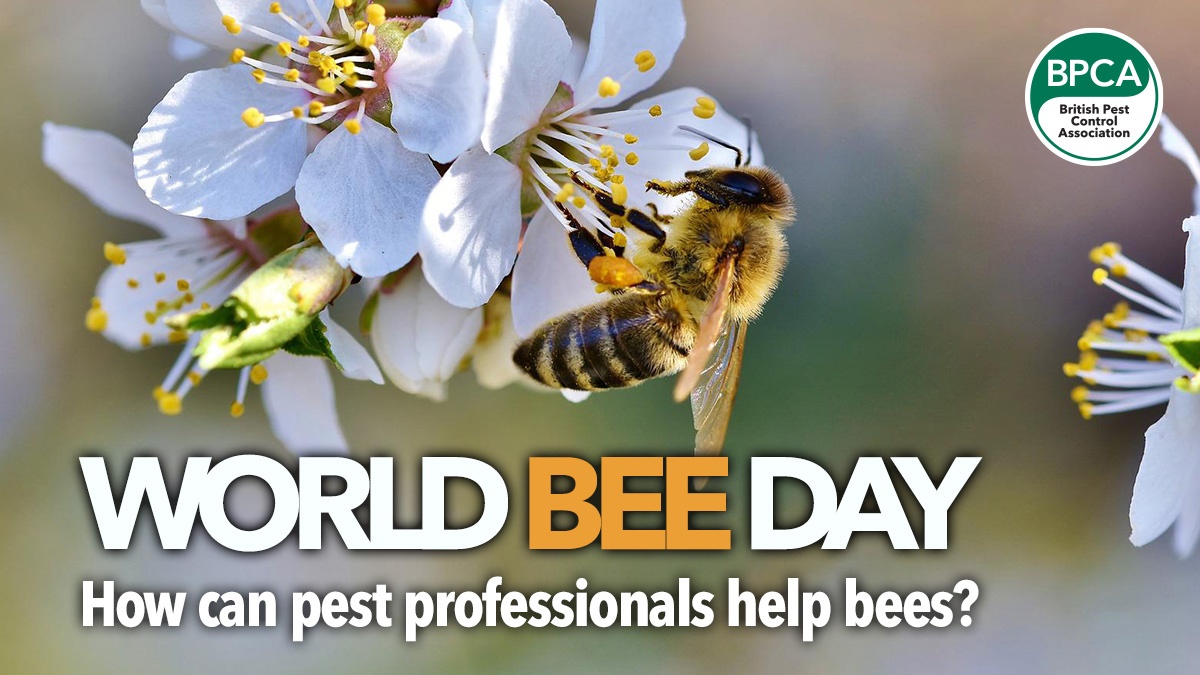
We love bees here at BPCA and we know you do too - that's why we created some resources and even a Special Interest Group (SIG), designed to support a thriving bee population in the UK.
So how can you help?
Join BeeWise
Special interest groups are informal meeting about specific pest management themes that report directly to the BPCA Servicing Committee.
BeeWise is a special interest group of volunteers looking to improve, on behalf of the industry and wider community, the knowledge, treatment and conservation of Bee species in the UK, but most particularly Bumble and Honey Bees.
Request to join a meeting
'We're leaving them bee' leaflet
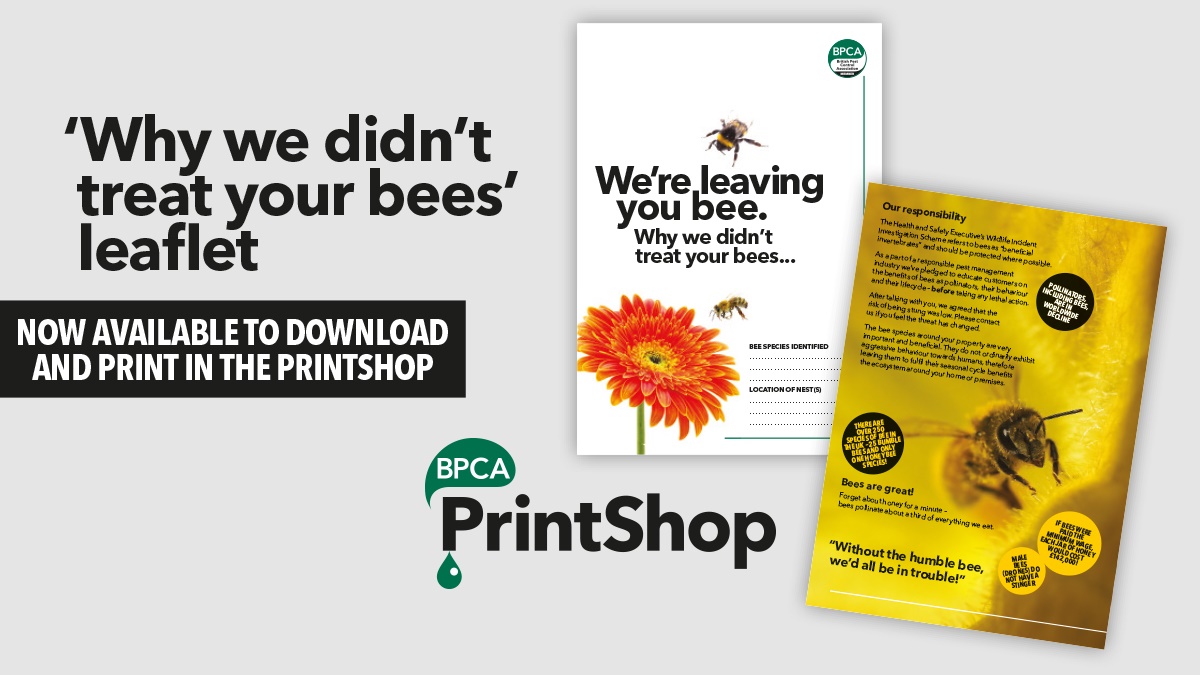
Sometimes it can be difficult to explain to potential customers why the bees they want us to control shouldn't be destroyed.
Beewise created a brilliant handout that BPCA members can give to clients, to explain why we won’t destroy a bee colony in their homes or businesses.
You can find copies from the BPCA PrintShop, available as either a free download or you can order professionally printed leaflets.
bpca.org.uk/printshop (login required)
Know your local beekeepers
If you're called out to a swarm of honey bees, the advice is to enlist the help of a beekeeper and safely move the bees to a new location.
You should try to build up relationships with beekeepers in your local area and the areas you carry out pest control.
Try contacting local beekeeping groups or you can visit the British Beekeepers Association (BBKA) website to find people near you.
Find a beekeeper
Build bee gardens
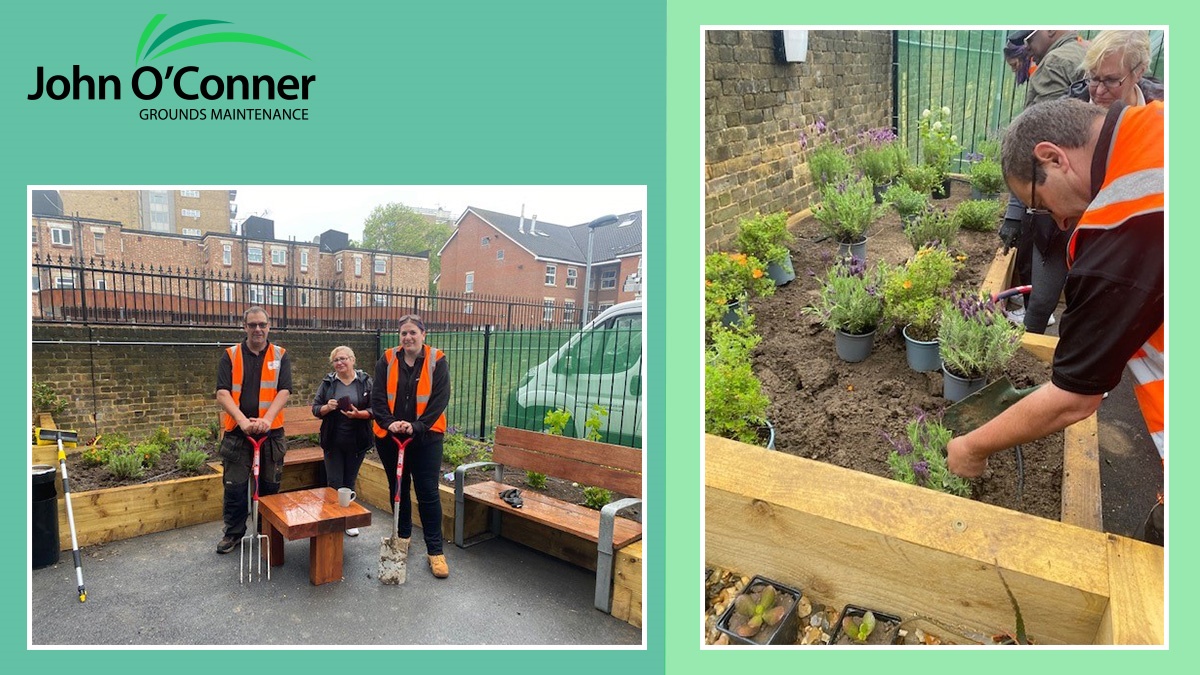
Ahead of World Bee Day, John O'Conner Pest Control built a bee garden for some London residents.
Why not take on a similar project? It's also a great way of giving back to the community.
Check out these tips from Gardener's World on how to make a bee-friendly garden.
Build a bee garden
BEE A HIVE OF ACTIVITY - SHARE YOUR IDEAS
Send us your thoughts on other ways pest controllers can help bee populations thrive and we might add them to the list!
hello@bpca.org.uk
Source: Online