TECHNICAL | PPC109 October 2022
Dynamic integrated pest management (IPM) is a more sustainable approach to pest control. Here, Envu explains how it minimises the impact on the environment, reduces the risk to non-target species and lowers the likelihood of pest populations developing resistance.
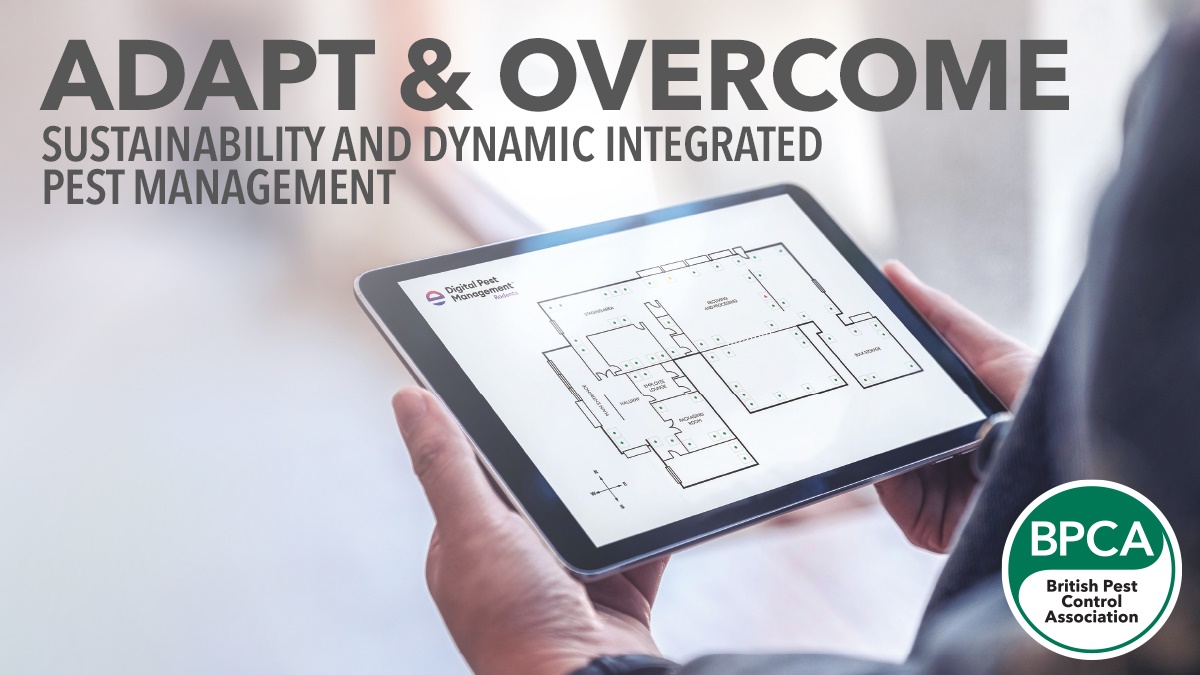
“Monitoring is one of the most important parts of an IPM strategy. There are many aspects to consider from the palatability and toxicity of the bait, to ease of activity detection and bait shyness.”
Integrated pest management is based on the understanding of pests, their behaviour, and the environment. It uses a wide variety of non-chemical and chemical techniques, as well as monitoring to inform decision-making.
Over time, IPM techniques are adapted to reflect changes in the pest population. These changes may be a result of effective control or a response to the control tools being used.
For example, you can use monitoring traps and baiting to understand a rat infestation, identify how rodents are gaining access and pinpoint potential attractants such as food sources.
By eliminating these factors and using an effective rodenticide, you can not only bring the current infestation under control but reduce the risk of future pest issues.
Continued monitoring after treatment confirms effectiveness. It’ll also mean you can spot and treat any new issues quickly, before they escalate into an infestation.
Benefits of IPM
Using an IPM strategy has multiple benefits. As well as minimising risk to people and the environment, an IPM strategy develops understanding of root causes of pest problems.
It can reduce the likelihood of resistance developing in rodent populations, be more effective and longer-lasting.
The British Pest Control Association says “From an environmental perspective, rodenticides can pose a risk to non-target animals such as birds of prey whose main food source is the very rodent that may be unintentionally poisoned.
The key is, we don’t want this to happen, so reducing the use of rodenticides is important. Using IPM addresses this.”
Monitoring
Monitoring is one of the most important parts of an IPM strategy. There are many aspects to consider from the palatability and toxicity of the bait, to ease of activity detection and bait shyness.
Using a highly palatable non-toxic bait during the monitoring phases of an IPM strategy drastically reduces the total amount of active ingredient used in the treatment of an infestation, making pest control safer for humans, companion animals, livestock, wildlife, and the environment.
When considering the essential monitoring phases, it’s critical that the evidence of a pest problem is easily identifiable.
Not only does this help with accurate detection but makes assessments more efficient.
Gnaw marks on your non-toxic bait are obvious signs of rodent activity, and some of these baits allow droppings of rodents that have consumed the product to be easily seen with a UV torch.
Monitoring can reveal attractants such as food sources as well as runways, harbourages and nest sites. Removing food sources and improving hygiene practices presents very little risk to non-target species and is an essential part of IPM.
With a greater understanding of pests and their habits, you can be more targeted in placing traps or rodenticides, further reducing the amount of active substance used and minimising the risk to non-target species.
After the initial treatment, continued monitoring will enable early identification of new infestations, and early treatment.
Treatment and prevention
Just like monitoring, there are a number of factors to consider when choosing appropriate treatments.
“Increasingly in the last decade or so, the industry has recognised the need for a more physical and non-chemical approach to pest management, and we are making great strides to better understanding IPM and how to implement it with efficiency and efficacy.
“An IPM programme ensures that chemical approaches are only utilised where it is necessary and, in conjunction with other control and exclusion methods such as environmental management, proofing and the use of traps”, BPCA suggests.
Non-chemical controls such as removing attractants, blocking access and improving hygiene are the backbone of IPM strategies. They will not only contribute to the initial treatment by removing alternate food sources (as you increase the likelihood that rodents will eat the bait) but also prevent further infestations.
When it comes to chemical control, choose one which is proven to be both highly effective and reduces risks to the environment.
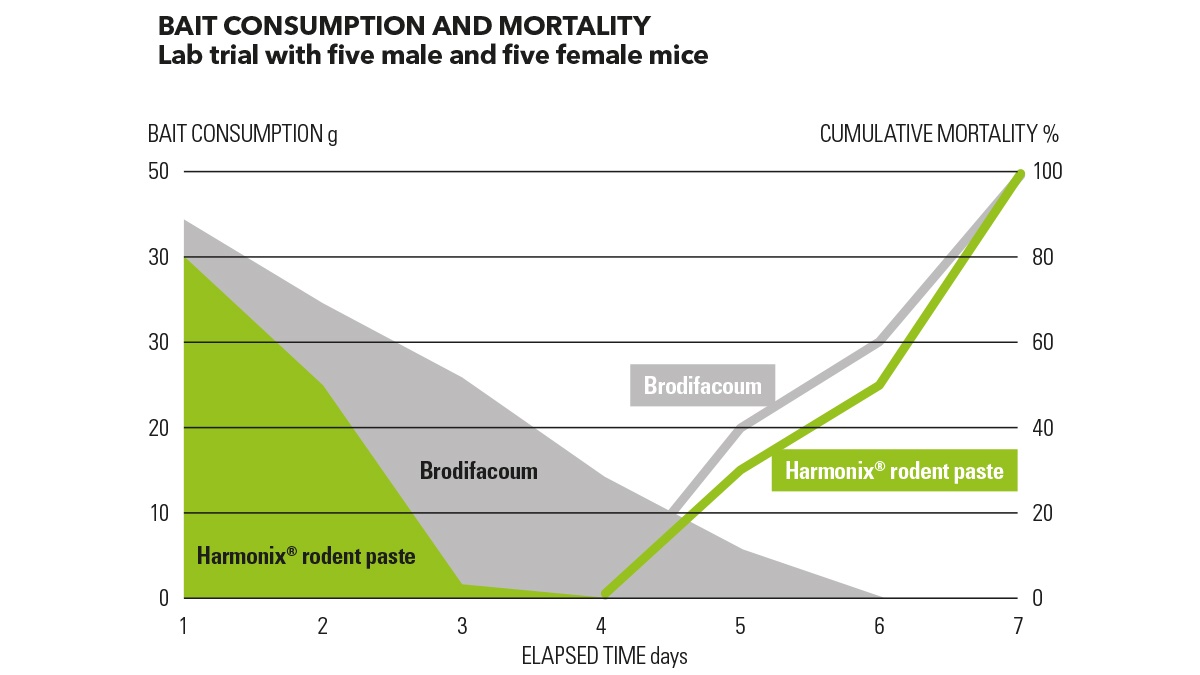
For example, the active substance cholecalciferol has proven to be highly effective on all target rodent species and has no known resistance. Its stop-feeding effect saves up to 50% on bait, minimising the amount of active substance entering the environment. It’s non-persistent and non-bioaccumulative.
Non-chemical controls such as removing attractants, blocking access and improving hygiene are the backbone of IPM strategies.
Holistic and sustainable pest management
Dynamic integrated pest management is a holistic and sustainable approach to pest control incorporating a wide range of controls, and importantly monitoring before and after treatment.
There are a number of factors to consider when monitoring pest issues. Ensure that the bait used is palatable and it is easy to see whether it’s been taken by the pests. Ideally use a non-toxic bait – not only does this minimise the risk to people and other non-target species, but it also helps prevent the development of resistance.
When it comes to treatment, support chemical controls with non-chemical solutions. Choose a proven, fast-acting rodenticide which minimises the risk to the environment.
TALK TO OUR TEAM
If you're a BPCA member and need some IPM advice, drop us a line.
[email protected]
Source: PPC109