Press release | PestAware
Links to feral pigeons and their impact on public health have been widely reported recently.
We've prepared some general guidance on some of the health issues relating to feral pigeons and the steps you should consider to make sure you're protected professionally.
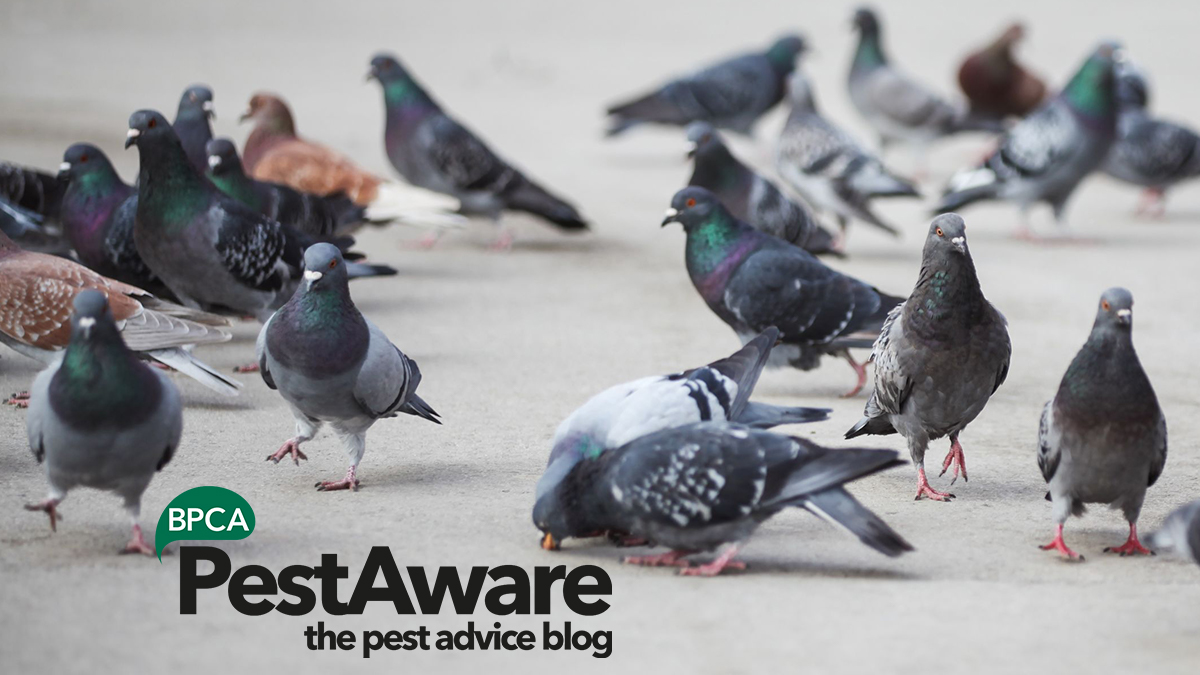
The dangers of feral pigeons
The feral pigeon is very common and found in all areas of the UK - and the most pressing issue associated with their presence is one of safety.
This is because they can harbour a large variety of diseases and insects on their body and in their nests, and their fouling presents public health concerns.
As a result - while the introduction of effective bird management procedures can present challenges for those tasked with the maintenance of buildings - it is a matter that cannot be ignored.
Pigeon guano (droppings) can be very dangerous. Ornithosis, Listeria, E-coli and other nasty pathogens can be passed through droppings and by the birds themselves.
When dry, the droppings can become airborne leading to respiratory complaints such as psittacosis, and the cryptococcus fungus.
Other problem factors
As well as the public health issues relating to bird guano, feral pigeon droppings are also acidic and can corrode and erode metals, stonework and brickwork.
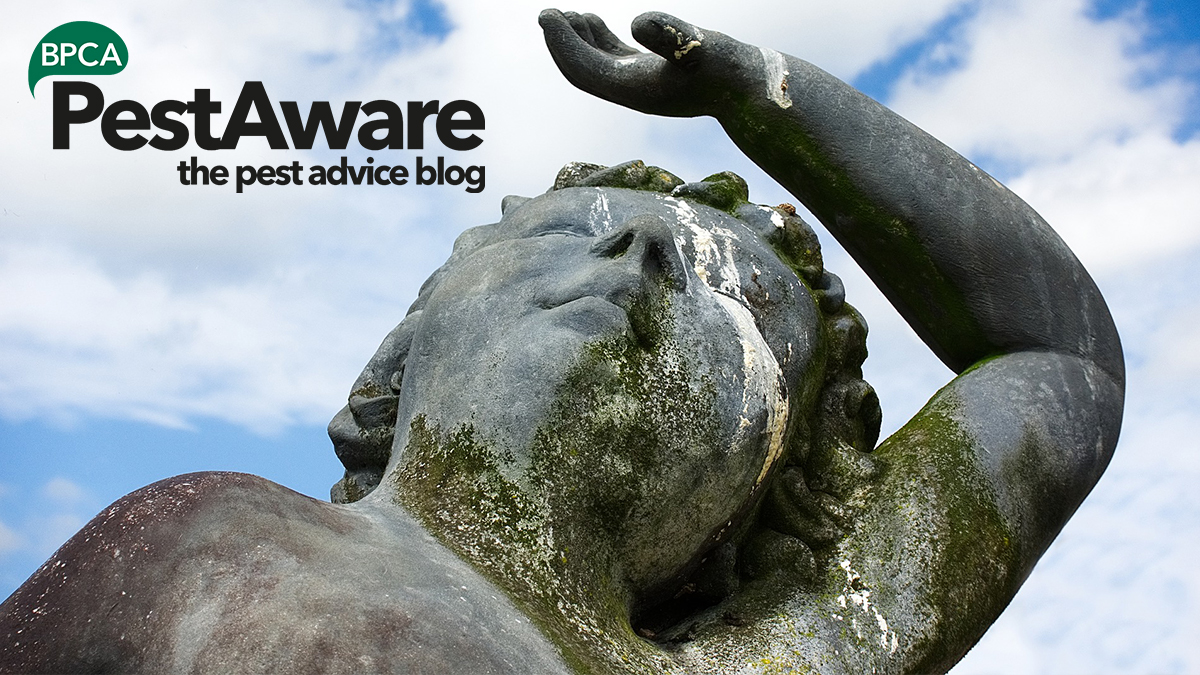
Their droppings also create an unsightly visual effect, and the noise they generate is another disruption.
Finally, there are the health and safety implications of slips and trips caused by the droppings to consider – and the fact that birds and their nests can support parasites such as mites, ticks, fleas and beetles.
Managing the issue
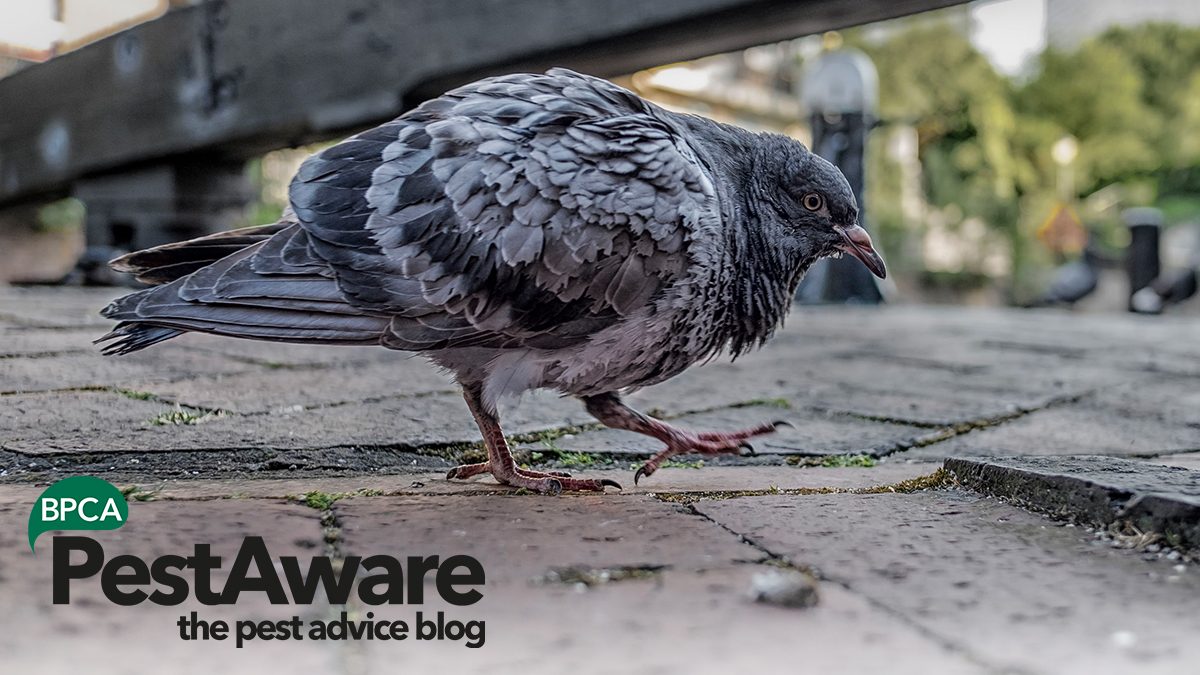
To protect visitors and staff facilities, those in charge of a building’s maintenance should not overlook bird control as part of an effective onsite pest management programme.
All UK bird species are protected by law (Wildlife and Countryside Act 1981) including their nests and eggs, so a trusted pest management company should always be contacted to ensure facilities are protected professionally.
If staff are tasked with clearing up bird guano themselves, it is important to make sure the correct personal protective equipment and appropriate levels of training have been given.
This is a hazardous task which we also recommend is carried out by a professional pest management company.
Issues to consider
Bird control has developed considerably over the years, with innovations including laser technology, bioacoustics and ultrasonic emitters to name a few.
Understanding the products and methods can take a good deal of time and research, but a good starting point to work from is the categorisation of control products in two areas - proofing and dispersal.


Proofing involves physically excluding the birds from the area to be protected.
Dispersal consists of creating a sense of danger in the affected area, which causes the birds to leave. This includes ‘scaring’ them away or re-educating them that the area is dangerous.
Once these two categories are understood, then the next step is to understand the level of bird pressure, which is essentially the amount of resistance likely to be encountered when re-routing an infestation of birds (categorised as low, medium and high).
Then other considerations, such as the environment and access, need to be assessed before appropriate control measures are introduced.
A trusted route
BPCA membership includes pest management professionals with expertise in bird control to go through the options and ultimately address the issues faced.

As well as awareness of the most effective methods, they are familiar with important environmental, social and legal issues, including the Wildlife and Countryside Act 1981.
Sometimes bird management work can also involve working at height, so companies offering this service must compliant with the relevant health and safety requirements.
BPCA offers further advice on feral pigeons in its A-Z of Pests.
You can also find a BPCA member company using our Find a pest controller tool.
Source: PestAware