POLLINATOR PROTECTION
British Pest Control Association (BPCA) submitted written evidence to a parliamentary inquiry into how the UK can better protect pollinators from invasive species.
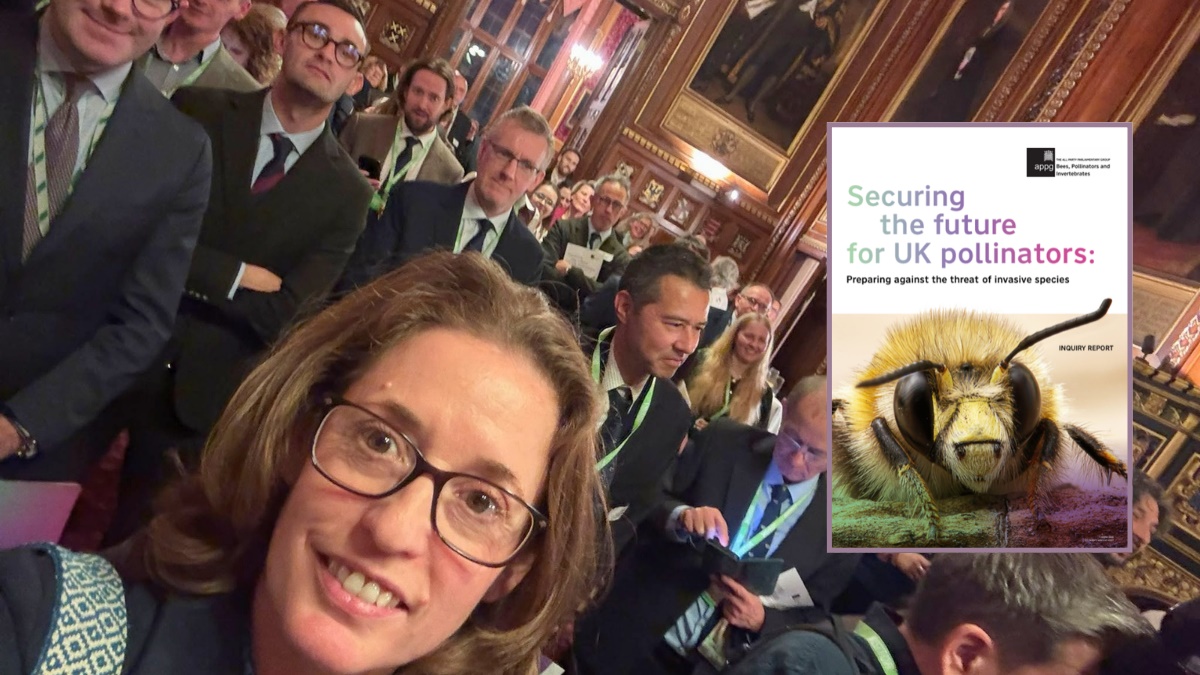
The report names BPCA among the contributors alongside Buglife, the British Beekeepers’ Association and the Bumblebee Conservation Trust.
The All-Party Parliamentary Group for Bees, Pollinators and Invertebrates gathered evidence on how invasive species reach the UK, how they are detected and how authorities respond.
Its report makes ten recommendations, including clearer guidance on which species to watch for and how to report sightings, stronger powers for inspectors to check trade consignments, and deadlines for government decisions on species that pose a significant risk.
It calls for the recovery of native pollinators to be the main measure of success.
BPCA asks to help shape England’s action plan
BPCA Chief Executive Rosina Robson attended the Westminster launch on 16 November, hosted by the group’s chair, Barry Gardiner MP.
“Food security is national security,” Defra minister Jenny Riddell-Carpenter MP told guests. She highlighted the threat from yellow-legged hornets and said the government would publish a Pollinator Action Plan for England in 2027.
Rosina asked the minister how BPCA could contribute and will follow up with her office.
Rosina said:
“Our members inspect sites every day. Give them clear guidance on what to look out for and where to report sightings, and they can help spot new arrivals early. I’ve asked Defra to involve us in the action plan, so it draws on that experience.”
Read the full inquiry report, Securing the future for UK pollinators.
Source: