PPC121 is out now! It’s full of technical pieces, including a new spring traps infographic, fresh insight into next-generation recruitment through BPCA’s careers hub, and an expert look at how remote monitoring is reshaping modern pest management.
We’ve also got features on bed bug innovation, behavioural resistance, and sustainability in pest control, plus a catch-up with Squeak-a-boo Pest Control.
And don't forget to check out the events and training calendar for 2026!
DOWNLOAD ISSUE BACK ISSUES
IN THIS ISSUE
In this issue, we highlight its bold approach to raising standards, driving advocacy and taking strategic risks to keep the profession moving forward. Read more>
A round-up of BPCA’s widespread summer media coverage - from wasps, flying ants and giant rats to invasive species - plus ongoing PR work with industry titles and upcoming topics for later in the year. Read more>
We outline BPCA’s work challenging failings in glue trap laws, responding to major government consultations, and highlighting key policy changes affecting pest professionals in 2025. Read more>
In this issue of Ask the technical team, we talk about winter checklists, glue trap encounters, and spring trap choices. Read more>
Our newest infographic guides professionals through selecting and legally using spring traps, covering species identification, attractants, legislation, risk assessment and competency to ensure safe, compliant trapping in the field. Read more>

Rosina Robson highlights how BPCA’s new pestcareers.org.uk hub and supporting initiatives aim to attract a more diverse and skilled workforce into pest management. Read more>
Dr Matthew Davies outlines how rodent control has evolved toward stewardship and explains the new competence requirements professionals must meet from 2026. Read more>

At PPC Live 2025 in Harrogate, a small group of pest professionals gathered around a table to tackle one of the most deceptively simple tools in the pest controller’s kit: the break-back trap. Read more>
Alex Wade joined us at a BPCA Digital Forum to discuss a fresh way of handling rodent control, by adding integrated risk management (IRM) into our thinking. Read more>
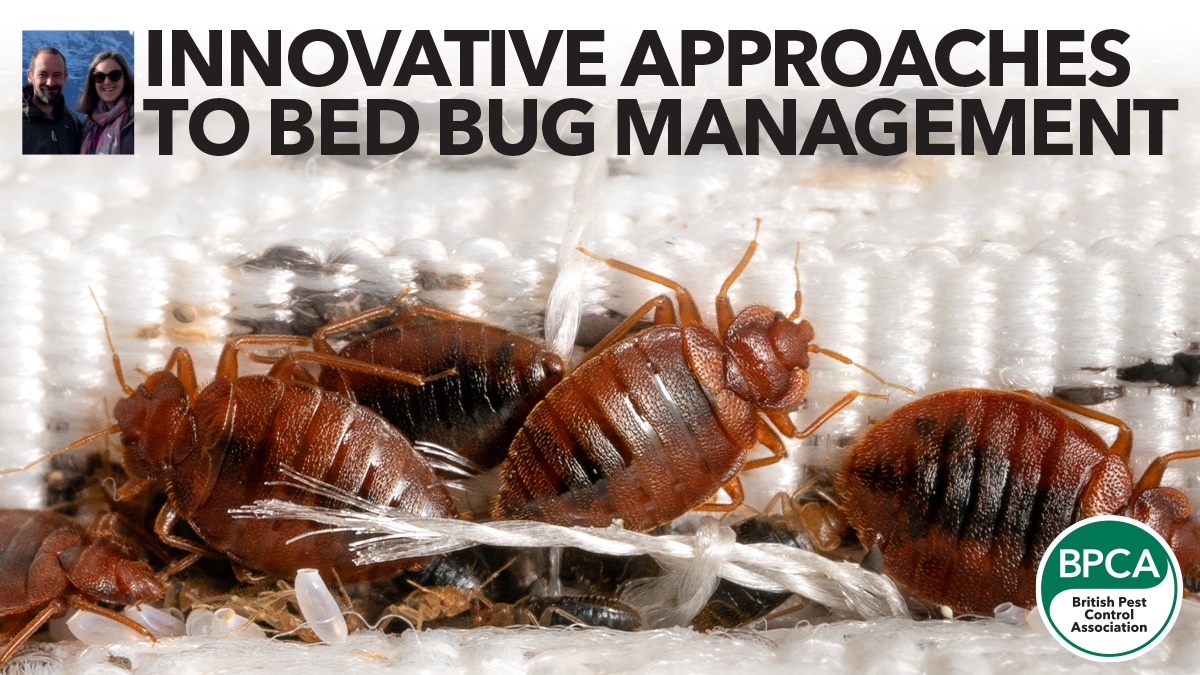
Dr Richard and Alexia Naylor outline current bed bug biology, resistance trends, effective treatment tools and monitoring methods in 2025, emphasising containment, accurate identification and evidence-based strategies for reliable control. Read more>
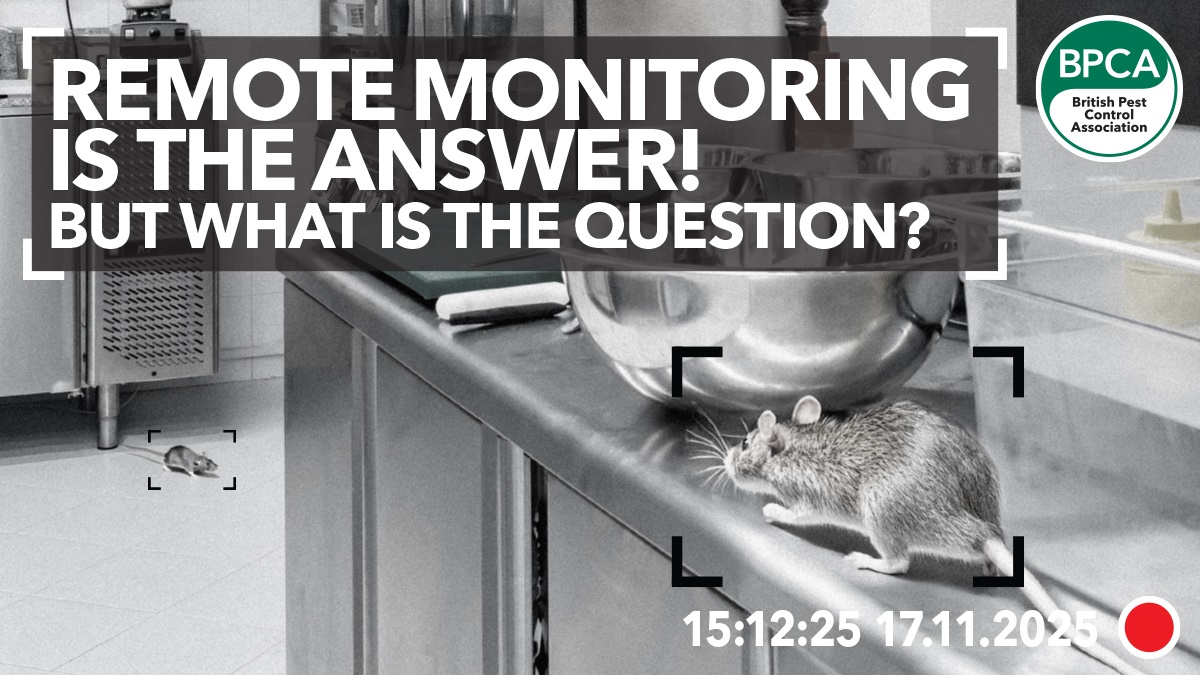
As pest managers look to incorporate more technology into treatment plans, Tom Holmes, of Tom Holmes Consulting, shares some of his thoughts on the benefits of remote monitoring and how we can sell these services to clients. Read more>
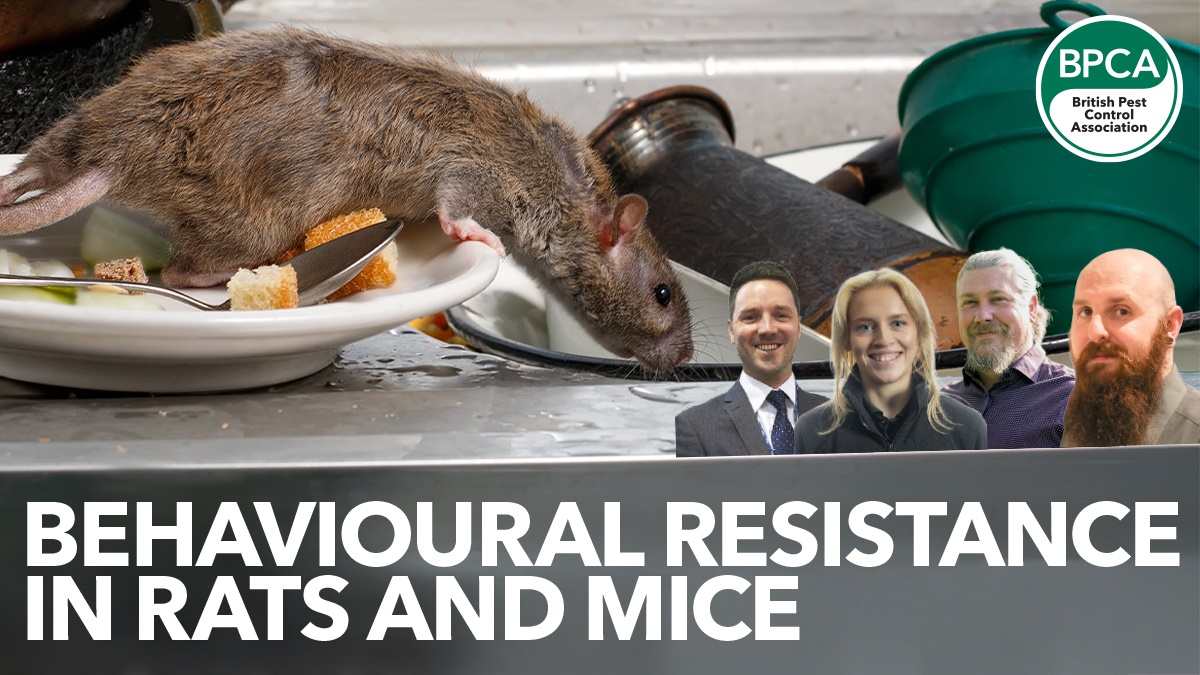
Our experts examine behavioural resistance in rodents and stress the need for adaptable methods, good site hygiene and informed, evidence-based control as avoidance behaviours become more common. Read more>
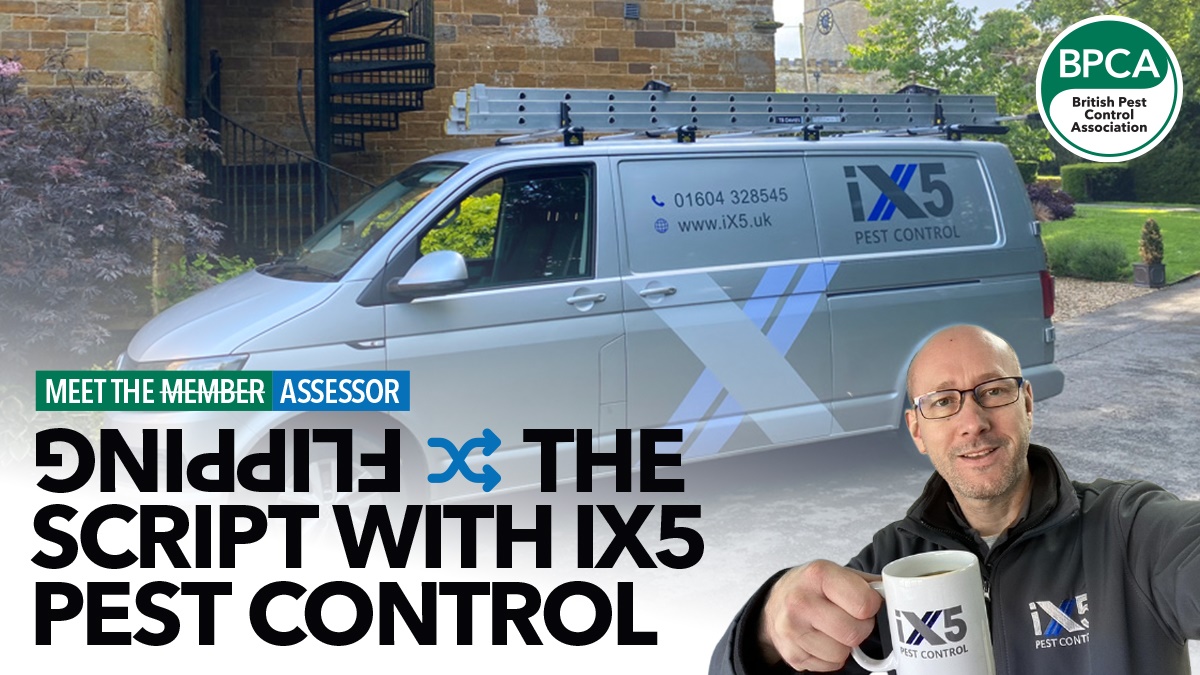
Matt O’Donnell, Director of iX5 Environmental Services, shares his experience of a BPCA assessment, highlighting preparation, constructive discussions and how the process supports members in strengthening compliance and professional practice. Read more>
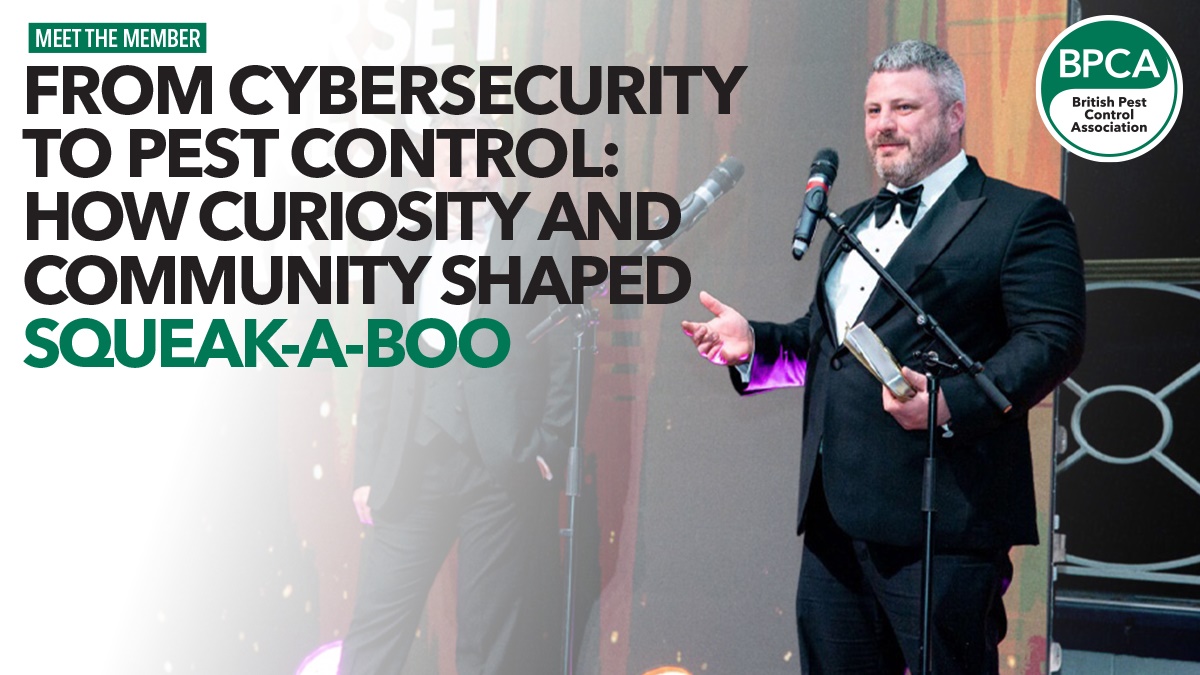
Somerset-based pest controller Matthew Arnold, owner of Squeak-a-boo Pest Control, talked to PPC magazine about career changes, award recognition and stumbling upon opportunities. Read more>
In this article, Chris Cagienard, Managing Director of Pest Solutions, shares how sustainability has transformed his business and why small pest management companies can benefit just as much as large corporations from embracing greener practices. Read more>

In this article, Fergal Flynn, environmental health graduate turned pest controller, shares how to get on the same wavelength as your Environmental Health Officer and turn potential friction into smooth, professional teamwork. Read more>
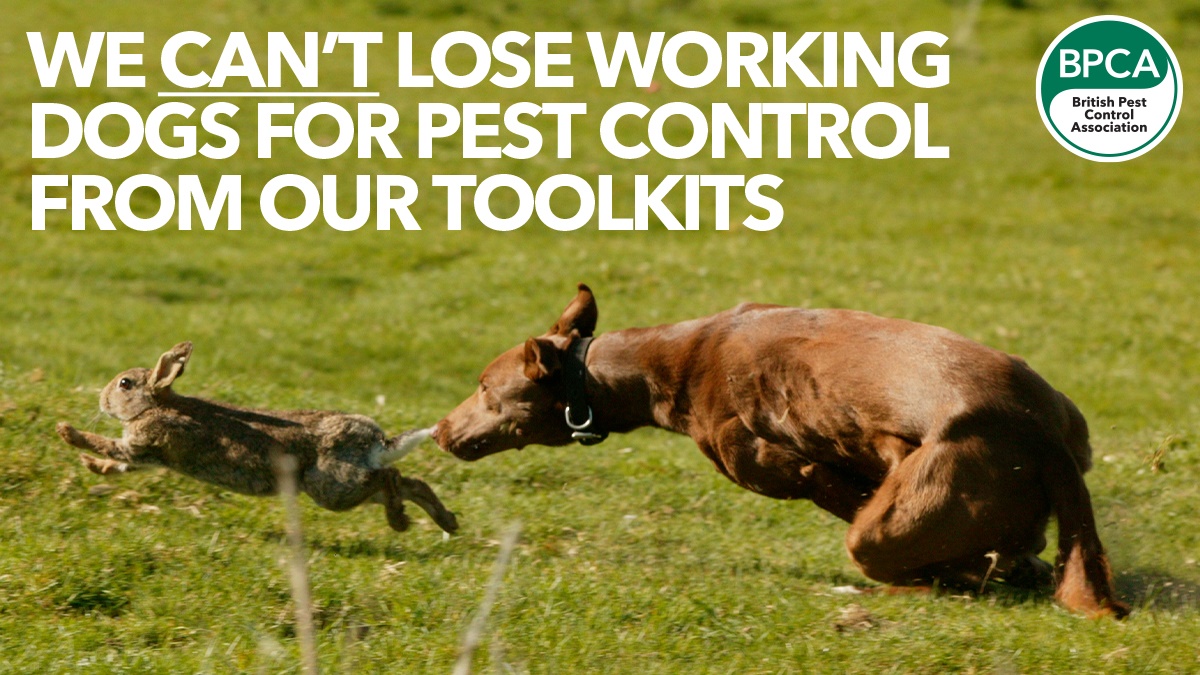
Ed Cook of Evergreen Rabbit Control discusses misconceptions about hunting with dogs, arguing that working dogs are essential, humane tools in professional rabbit management and calling for licensing to protect their continued use. Read more>

Karen Dawes, BPCA Training and Development Manager, outlines how BPCA’s structured onboarding programme supports new pest technicians, highlighting one recruit’s progression from beginner to confident, competent professional. Read more>

Source: