PRESS RELEASE
Bird deterrents used on buildings, such as spikes and netting, must be installed by a professional to protect both wild birds and property, a national trade body has said.
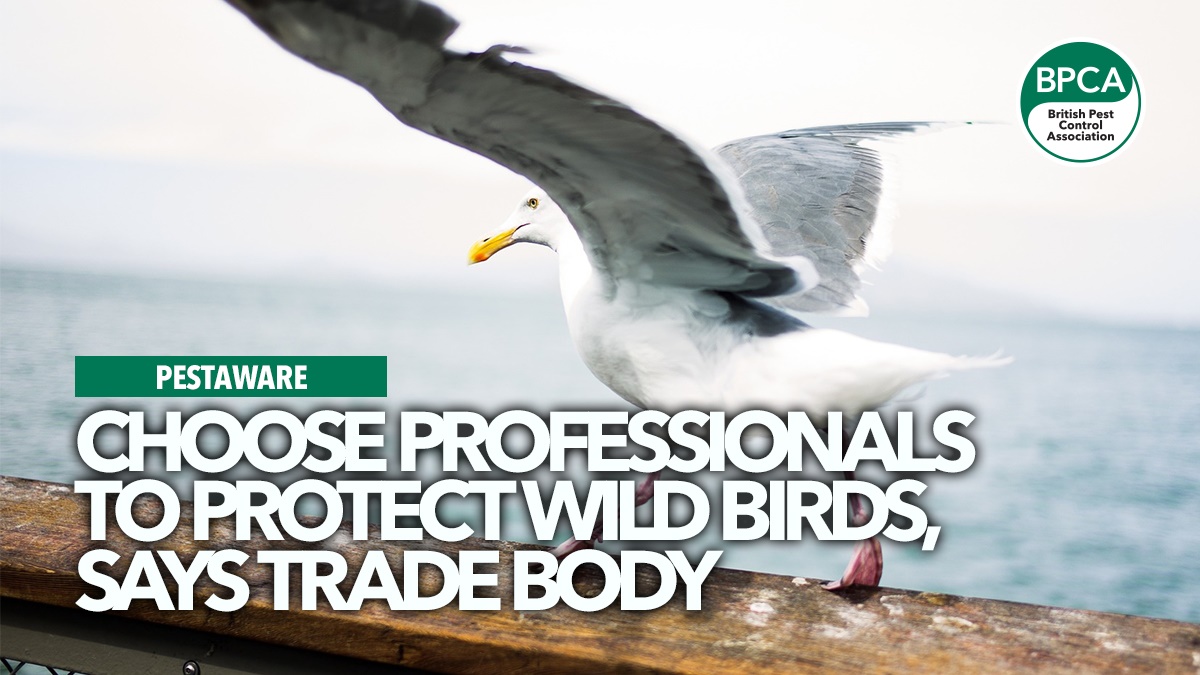
British Pest Control Association (BPCA), is urging the owners of homes, businesses and public buildings to ensure they choose a trained and qualified professional to offer advice and install bird-proofing measures.
Bird spikes and nets are a non-lethal solution and – when deployed properly – should cause no harm to any wild bird.
Dee Ward-Thompson is Head of Technical and Membership at BPCA. She said: “All wild birds, their eggs and their nests are protected by law, so we strongly recommend that you don’t try to control or manage birds yourself.
“Bird proofing is completely harmless and is designed to deter birds from nesting and this in turn, moves birds on to an area where they aren’t in conflict with people.
“We’ve heard some disturbing reports of birds being caught in improperly installed nets and even impaled on dangerous spikes.
“This is completely avoidable when nets and spike are properly installed and maintained by a professional.
“A trained and qualified professional will create an integrated avian pest management solution that protects the birds – and this will include working with premises owners to identify the root of the problem, such as openings allowing access to a nesting site, or waste disposal systems that may offer a food source to birds.”
We’ve heard some disturbing reports of birds being caught in improperly installed nets and even impaled on dangerous spikes. This is completely avoidable when nets and spike are properly installed and maintained by a professional.
Dee Ward-Thompson, BPCA Head of Technical
Wild birds, their nests and eggs are protected by the Wildlife and Countryside Act 1981, but certain species may need to be controlled for specific reasons, including public health and safety concerns.
Dee added: “Diseases can be transmitted from bird droppings and the birds themselves.
“Bird droppings are also acidic and can corrode and erode metals, stonework and brickwork.
“And where birds go, so too go the parasites that live on them. Bird mites, ticks, fleas and beetles can all cause complicated secondary infestations.
“Birds can be a problem for businesses – particularly food businesses that are required by the Food Safety (General Food Hygiene) Regulations 1995, to take steps to avoid a bird infestation.
“There are circumstances that require bird control or proofing, and we strongly recommend that a pest professional is consulted to assess the situation, create a plan of action and install any physical measures for the protection of both the building and the birds.”
BPCA members employ trained technicians and are regularly assessed to the British Standard EN 16636 in Pest Management.
They are trained in bird control and will have access to a range of professional use products and tools which are not available to the public.
To find a professional pest controller visit bpca.org.uk/find
WANT TO KNOW MORE ABOUT BIRDS?
For more information visit bpca.org.uk/birds

Source: Online