Training feature| PPC90 March 2018

BPCA Training Development Manager, Karen Dawes, takes a look at the relative merits of doing more than 'the bare minimum'.
As the recommended industry standard, the Level 2 Award in Pest Management is the entry level qualification for pest controllers. However, ongoing training is a key area for debate within the sector. After all, if the Level 2 allows a pest controller to do their job is there any need for further skills training?
Reasons that the Level 2 Award is only the first step of a longer-term formal training plan...
1. Keep up with industry changes
Whether it’s through changes to legislation, advances in technology or new research, the pest control industry is continuously changing. Keeping up to date with regular training can ensure your skills are up-to-date.
2. Improve performance
Ongoing training ensures you acquire new skills that can result in better customer service, better work safety practices and productivity improvements.
3. Stay ahead of competitors
Training and development doesn’t just improve job performance – they also help encourage innovation and develop problem-solving skills, both of which are vital to cultivating your competitive advantage.
4. Maintain knowledge and skills
Ongoing training helps to develop skills throughout your career. To retain knowledge, skills need to be practised and refreshed on a regular basis, so elements aren’t forgotten.
5. Advance your skills
Once you’ve undertaken basic level skills, these can quickly be built upon through courses such as BPCA’s Advanced Technician programme so that you can provide much more expertise to your customers and reap the rewards.
6. Increase job satisfaction
Not feeling confident in what you should be doing can be a really distressing experience. Skills training builds self-esteem and leads to high levels of motivation.
7. Enhance your career prospects
Ongoing development of new skills ensures you are best placed to take advantage of internal promotions or new job opportunities.
8. Stay in touch with technology
New technology is being developed all the time. Regular training needs to take place to ensure that you are using the latest technology with confidence and to its full potential.
9. Identify gaps in your skills
With regular training, you can identify any skills gaps you may have. Taking action to fill these gaps ensures you can get the best out of your pest management role.
10. Improve productivity
Training gives you the skills and knowledge you need to perform pest control activities more efficiently and effectively. Improved productivity ultimately leads to improved profitability.
11. Attract new talent
As your business grows, you may want to recruit additional staff. Having a training programme in place for employees creates a good image and helps attract better talent.
12. And finally...
towards your CPD points requirement so not only are you learning new skills, but you’re demonstrating your commitment towards a professional pest control industry.
BPCA advanced skills development programmes
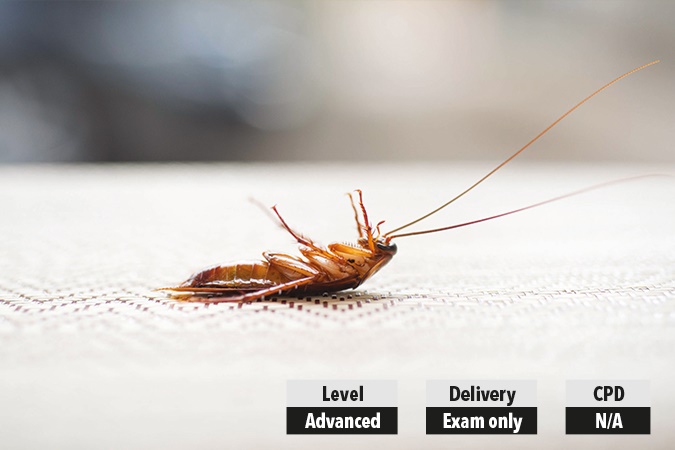
So you have successfully achieved the RSPH Level 2 Award in Pest Management, you have some experience and you are now wondering what’s next. A widely-recognised and admired qualification within the pest control industry to achieve is the Advanced Technician in Pest Management programme.
More information
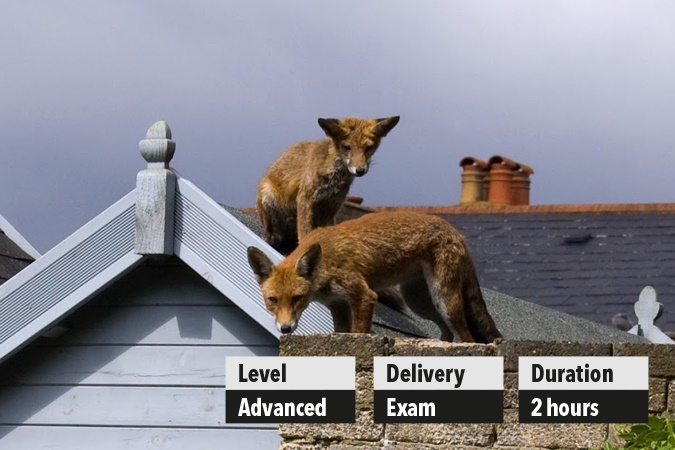
Technical Inspectors play a vital role within organisations and within the pest control industry. They draw up reports, make recommendations and build effective relationships with their customers. They will prepare quality assurance reports for their own organisations regarding any pest control activity.
More information
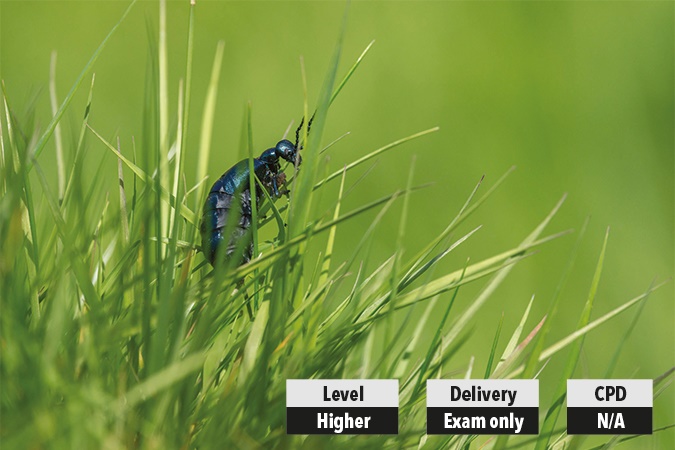
The Field Biologist is a pivotal role when managing pest control provision within food manufacturing sites or sites audited by third parties. A competent Field Biologist will provide technical expertise, manage customers, provide service appraisals and help ensure compliance.
More information
 Karen Dawes
Training Development Manager
1 March 2017 | PPC90
Source: PPC90