PRESS RELEASE
Tiny insects that live, eat and breed in cereals, grains and rice are considered to be the world’s most expensive pest, say experts at a national trade body.
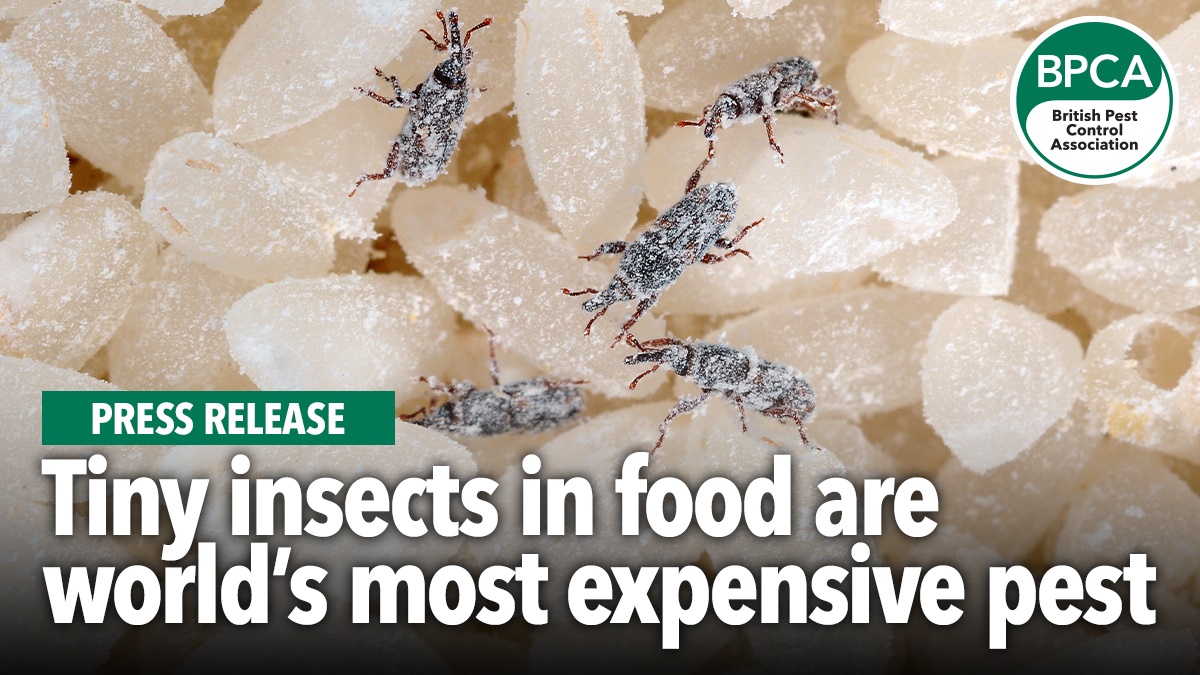
Experts at British Pest Control Association (BPCA), are encouraging shoppers to take action quickly if they discover a moth or beetle in their food cupboard.
Known collectively as Stored Product Insects (SPIs), these insects can enter the food chain at any point and will use products as both food source and a place to shelter and breed.
SPIs are considered the world’s most expensive pest because they cost businesses billions annually in additional operating costs and loss of product.
Natalie Bungay, Technical Manager at BPCA said: “In the UK, SPIs are usually beetles, such as weevils, or moths, and while they don’t pose a significant health risk to humans, they can contaminate products such as cereals, whole grains, processed foods and even tobacco, making them unfit for human consumption.
“Often the first sign of an SPI infestation is a sighting of the adult insect - the presence of adult beetles or moths in food cupboards or the pantry could indicate an infestation, with the egg, larval and pupal stages of the insects – which aren’t easy to spot – also likely to be contaminating food.
“An infestation in the home is relatively simple to manage if discovered early – but once in your home, SPIs will spread quickly through your cupboards in search of other food sources.”
Common SPIs in the UK include:
- Rice weevil
- Biscuit beetle
- Indian meal moth
- Grain weevil
- Confused flour beetle
- Saw-toothed grain beetle
- Larder beetle
- Mill moth.
Natalie added: “SPIs spread quickly and will cause food to become tainted, which is visible as discolouration.
“A common source of SPI infestation in the home are partially-used products that have been forgotten at the back of pantries and shelves, so the most effective way to deal with the issue is to throw away infected products – preferably into an outside bin – and give food storage areas a thorough deep clean.
“BPCA has an online guide to SPIs with more details and housekeeping tips for anyone concerned they may have an infestation. Visit: bpca.org.uk/spis
“An inspection by a pest professional, such as a BPCA member, will ensure the correct identification of the type of insect, the scale of the infestation and the appropriate treatment.”
BPCA members are trained, experienced professionals with access to a range of specialist products not available to the public as well as being regularly assessed to the British Standard in Pest Management BS EN 16636.
BPCA members are also endorsed by the Government via the TrustMark quality scheme.
To find a BPCA member visit: bpca.org.uk/find.
YOUR PRESS RELEASE HERE?
Share your industry news with the team, and we'll publish it here.
hello@bpca.org.uk

Source: