Technical | PPC92 September 2018
With the help of Mark Wenman from Pelsis, we’ve put together our own set of ‘top trumps’ cards with all the vital statistics and fun facts on the most common nuisance birds you’re most likely to encounter in the UK.
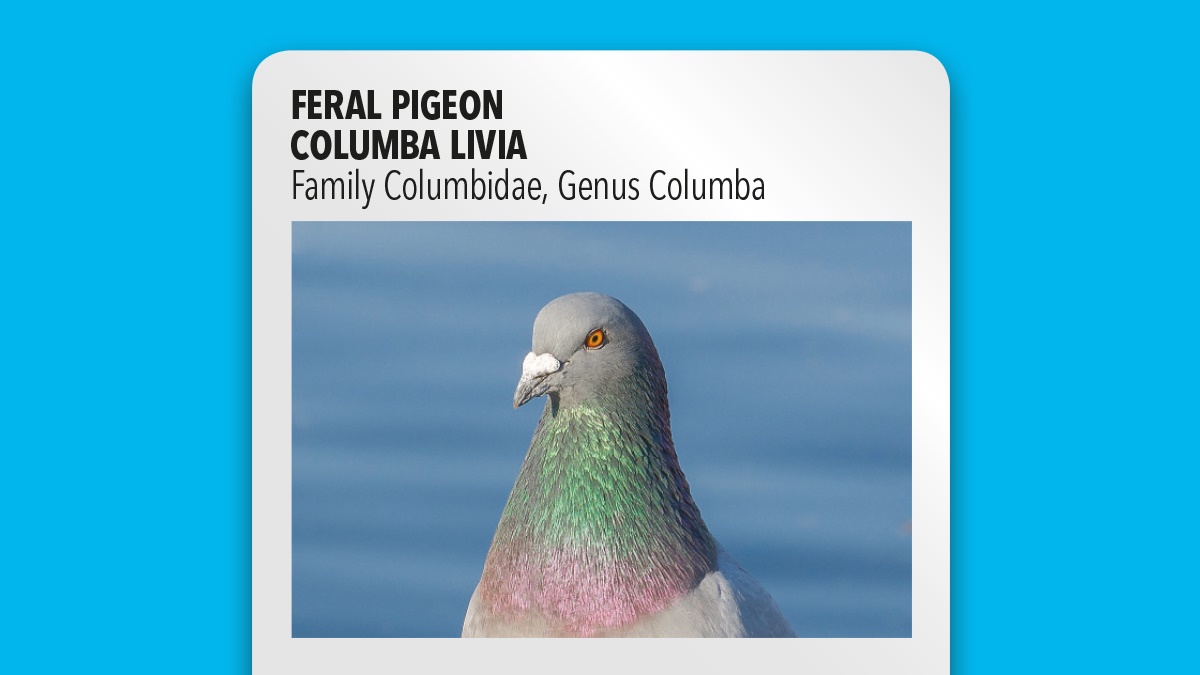
Related to the rock dove, this bird is a very common pest bird found in all areas of the UK. Harbours a large variety of diseases and insects on the body. Its nests and fouling are also public health concerns. The feral pigeon has no distress call.
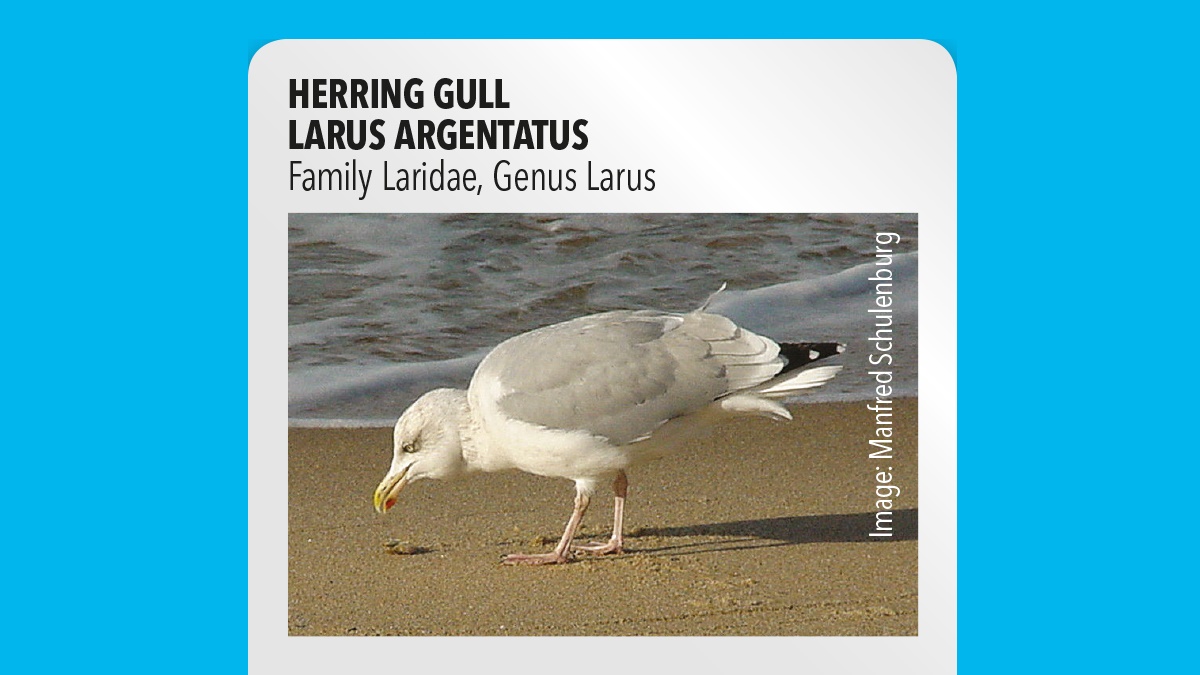
A large, aggressive gull that causes many issues to people and buildings. It will attack when nesting and peck roofs, causing damage. Its nests often block gutters. Juveniles return to the same roof every year. Usually, more of a pest during the breeding season. Moved inland due to the availability of food, shelter and nesting sites.
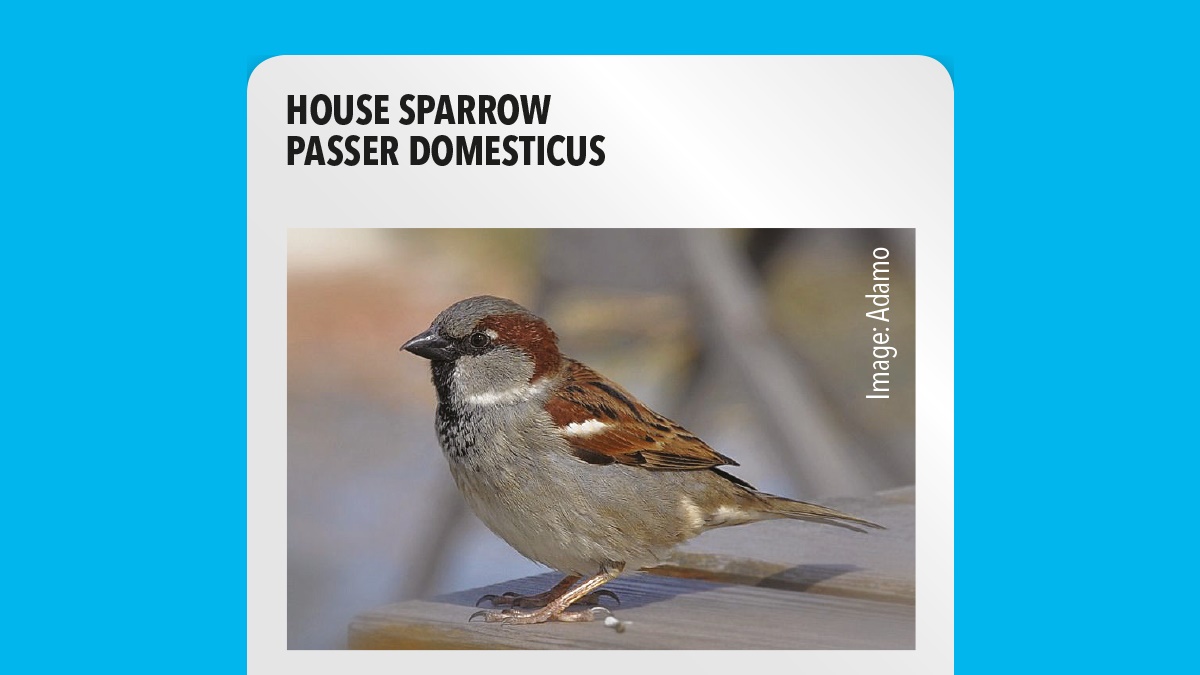
Small, agile, intelligent bird, resident in the UK. The house sparrow is mainly a pest of the food industry. They may never leave a factory if they have food and water. Their fouling contaminates.
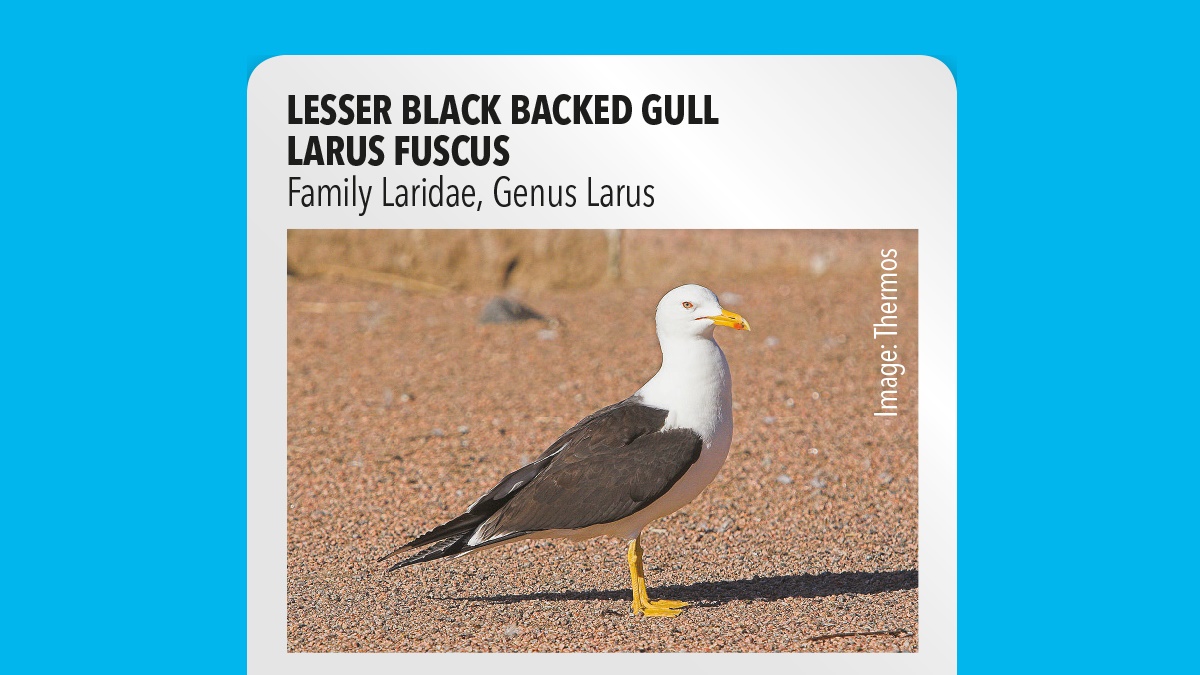
A large, aggressive gull that causes many issues to people and buildings. As belligerent as the herring gull. It has a distress call like the herring gull. Juveniles return to the same roof every year. Usually, more of a pest during the breeding season. Moved inland due to the availability of food, shelter and nesting sites.
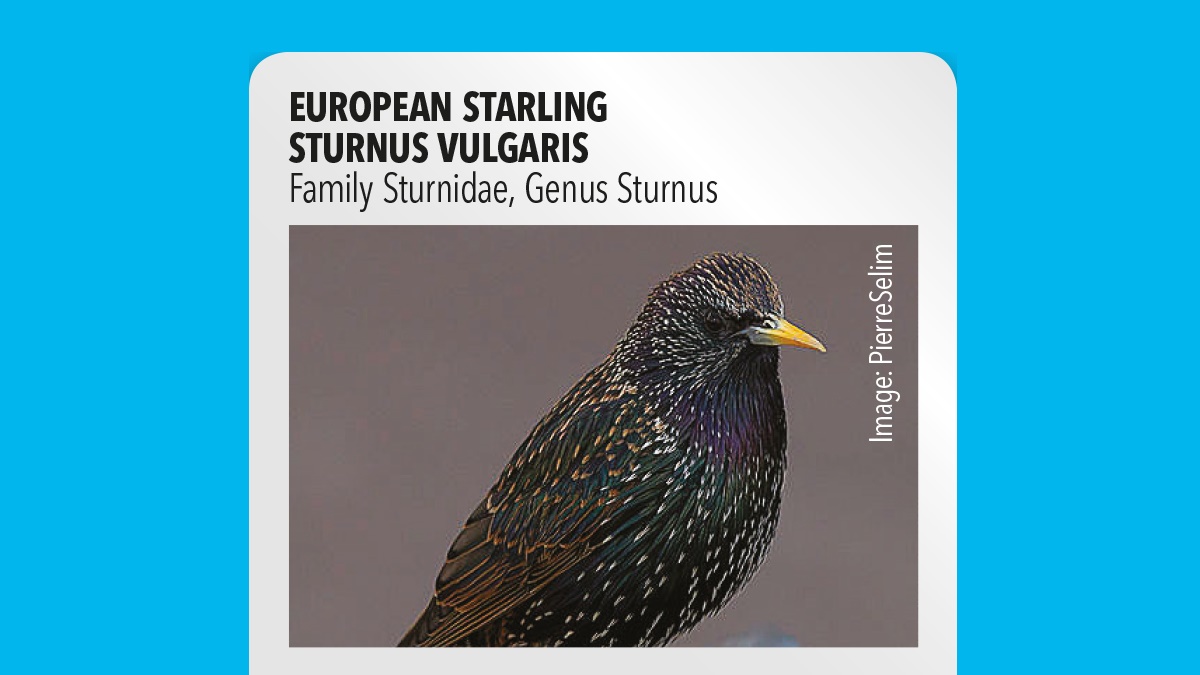
This bird runs rather than hopping. It is a noisy bird with a loud distress call. They loudly chatter when roosting, and leave large amounts of fouling. The UK has a resident all-year population, plus Britain is used as a winter home for millions from North European and Russian starlings. This is why the population swells between September and March. The flocks, also known as murmurations, can number up to 100,000.
Special interest in bird management?
Mark Wenman is part of the BPCA special interest group - Birdwise. Birdwise gets together to talk about bird control issues and helps create guidance for BPCA members and PPC readers. If you think you could contribute to the Birdwise special interest group, contact us today.
[email protected]

Source: PPC92