Technical | PPC92 September 2018
The natural approach to bird control can be extremely effective in providing the correct programme is implemented for the client’s situation and the logistics of the environment to be controlled. John Dowling, hawking expert extraordinaire talks to PPC about the nuances of using birds of prey to manage bird pest species.
Using falconry for bird control takes advantage of nature’s instincts as the control species react instinctively to the threat of a natural predator in flight frequenting the area leading them to fly off.
In most cases, our birds are not hunting birds. They will act as a deterrent and scare the target species away from the area encouraging them to find an alternative location for nesting and roosting.
Manning up
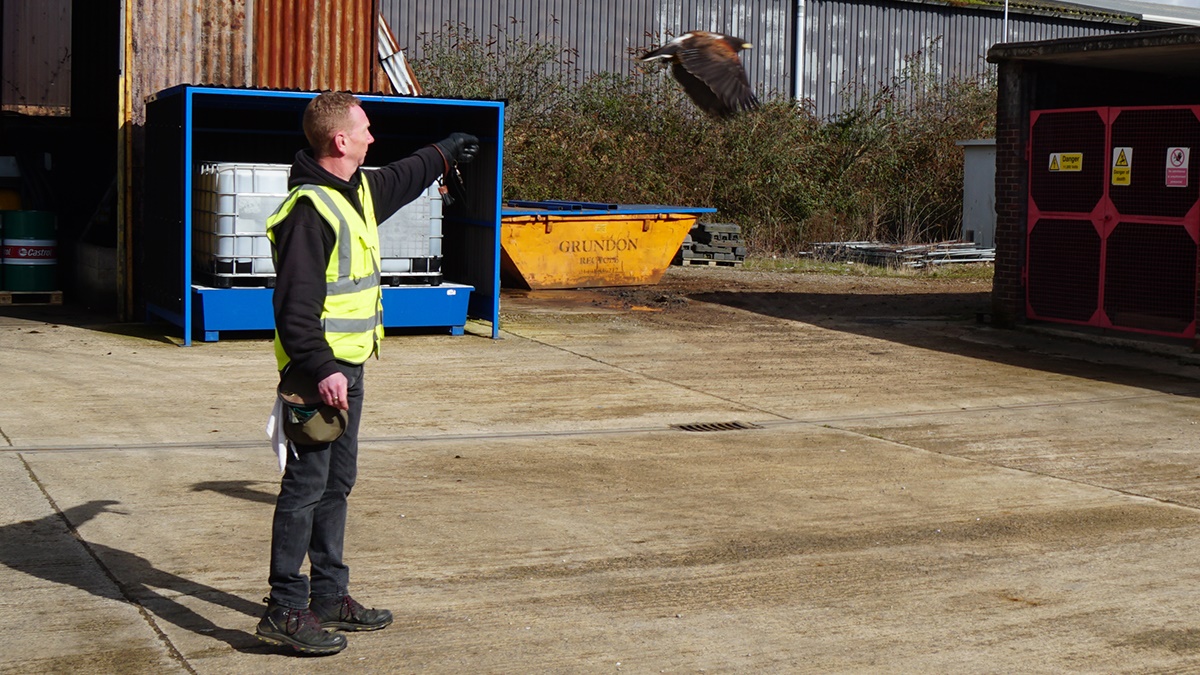
All our birds used in bird control are specially trained and manned for the purpose. Manning is a falconry term for the process of taming, bonding with, and acclimatising a bird to its handler and various stimuli. In a bird control environment, these stimuli could include forklift trucks, MEWPs, large machinery, and roller shutter doors.
The manning up training procedure takes many weeks and ensures that we can take our birds into any location safely and with confidence. A typical control programme in an urban environment will comprise of site visits up to three times per week with a hawk or falcon, with the bird flying for a minimum of two hours per session. The frequency of these visits can be reduced once the situation is under control.
A holistic approach
It’s vital that any bird of prey programme must be supplemented with a comprehensive egg and nest removal plan. Gulls, in particular, become very defensive and aggressive during the breeding season and can pose a real danger to our birds if they have young to defend, so egg and nest removal is a must.
By removing the eggs and nests every two weeks the adult birds breeding cycle is considerably shortened. Therefore having had an unsuccessful breeding season with no young to rear they move on sooner and the colony reduces year on year.
Choosing your deterrent
The most commonly used species in bird control are falcons and Harris’s hawks.
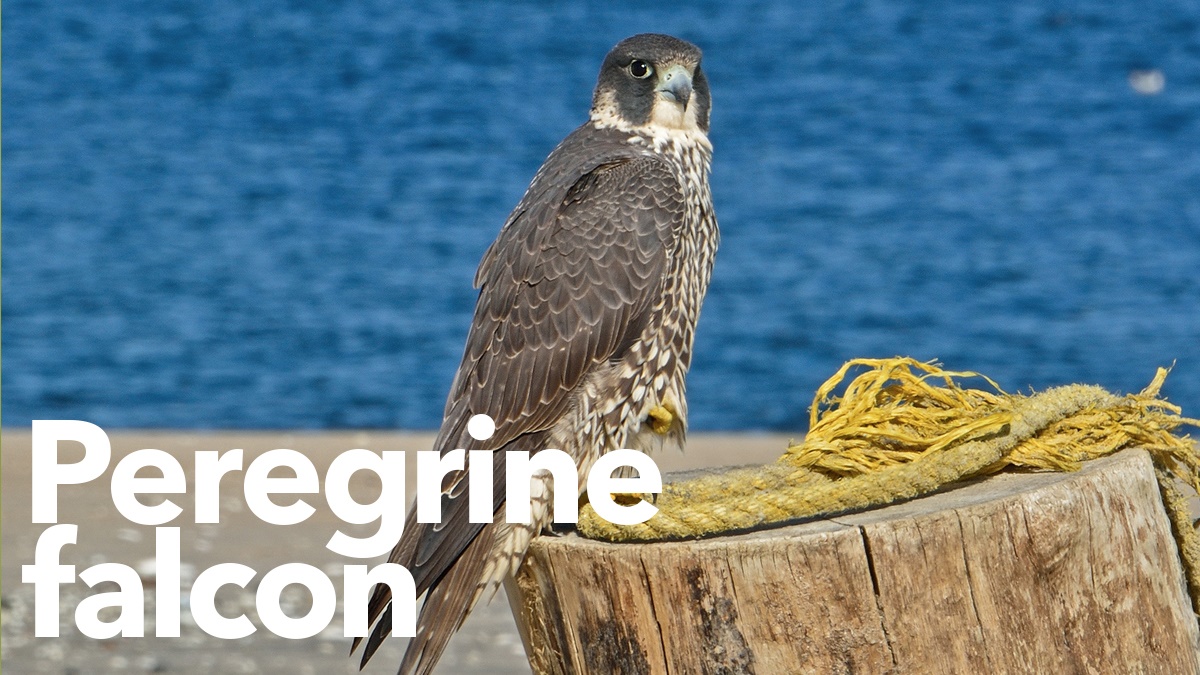
Our native peregrine falcon and peregrine hybrids prove to be very successful. One unique bird provides an effective control session of two to three hours. When the game species sees a falcon stooping to a swung lure in hunting mode, it really is the ultimate deterrent.
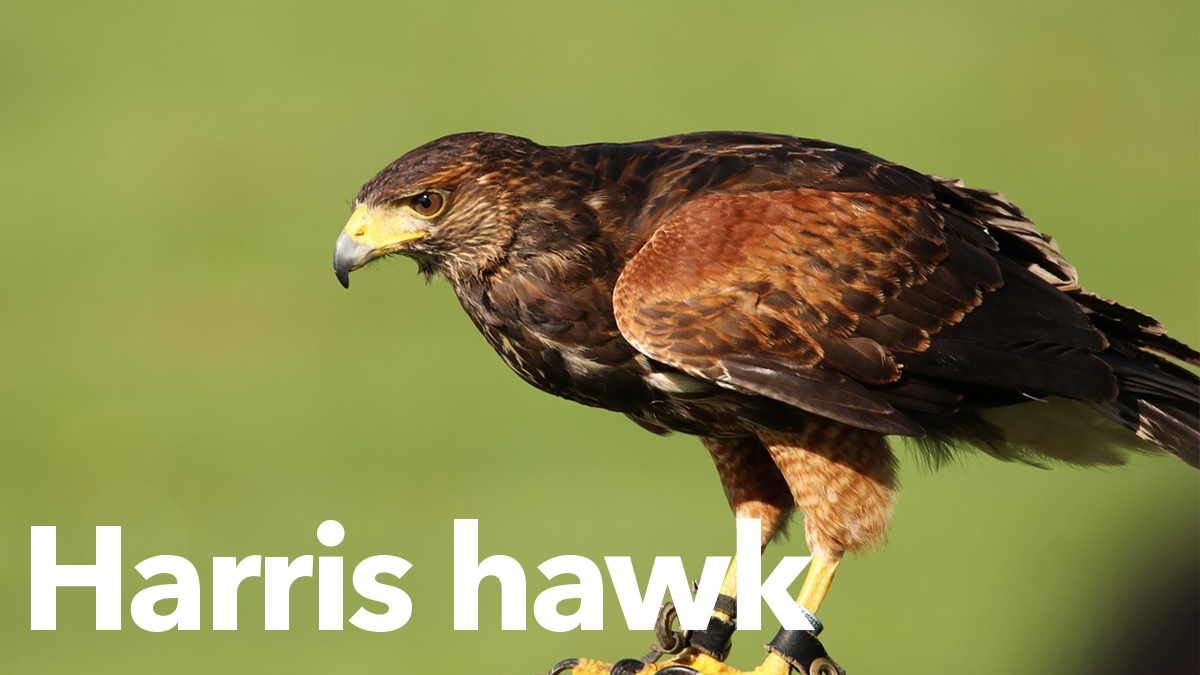
Harris’s hawks are very versatile making them the ideal choice in many urban environments. They are an extremely agile and sociable bird by nature, making them perfect for flying when space is a restriction or roof access is difficult or unsafe.
Specialist vs generalist
The main benefits of this natural approach to bird control are that the target isn’t killed and any potential hazard to non-target species in the area is eliminated. No chemicals or traps are used, making the use of raptors the ideal choice for the environmentally conscious.
Falconry is a viable alternative to netting and spikes that some customers may not want or have the budget for. Proofing may not be practical in some cases, notably when nuisance birds populate large open spaces such as airfields, landfill sites or farmland. Listed buildings may also be excluded from the proofing option.
Using birds of prey for bird control needs some additional skills to those required when practising falconry in the hunting field, the surrounding area will almost certainly be more hazardous. Wind speed and direction become more critical, leaving you no time for complacency or relaxing when flying your hawk.
Risk assessments and method statements need to be completed and submitted to the customer in advance of any work beginning. Thorough knowledge of the target species and the area affected is invaluable to ensure excellent customer service and the safety of our birds.
John Dowling
John Dowling Falconary
September 2018 | PPC92

Source: PPC92