Health officials in Hawaii have been warning residents not to touch snails or slugs with their bare hands because of an increase in cases of a rare parasitic infection known as rat lungworm. Experts are blaming its sudden spread across the United States on climate change and globalisation.
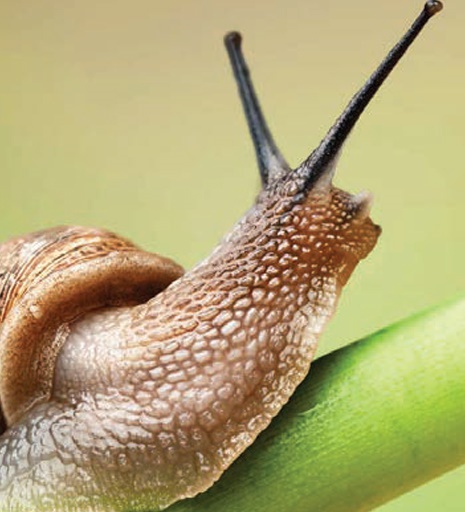 In the last two decades, there have only been two documented cases of rat lungworm infections in Hawaii. But in the past three months, six more cases have occurred in rapid succession, with more across other states. Believed to have spread to the U.S. by way of rats in cargo ships, rat lungworm is a parasitic nematode (Angiostrongylus cantonensis) that begins its life as an infection in rat’s lungs, blood, and brains. From there, the rats defecate worm larvae that are spread to other creatures like snails, slugs, and freshwater shrimp. Humans might eat one of these infected hosts or food contaminated by one. Once rat lungworm disease moves into the brain it can cause meningitis and its symptoms include tremors, pain, and inflammation; it is often fatal. The severity of the disease can vary wildly, there’s no known treatment, and it’s notoriously difficult to diagnose.
Locals say that they’ve become increasingly paranoid about eating produce and they line their yards with slug bait. And for an area that thrives on tourism, paranoia about eating the local food can be an economic nightmare. A 2004 World Health Organisation report warned that “most new infections seem to be caused by pathogens already present in the environment, which have been brought out of obscurity, or given a selective advantage, by changing ecological or social conditions.”
While this particular pest isn’t currently a concern in the UK, it shows that climate change plus globalisation are likely to increase the importance of public health pest control in years to come.
 Dee Ward-Thompson
Technical Manager
5 May 2017 | PPC87

Source: PPC87