PESTAWARE
Food processors using ‘permanent baiting’ as a form of DIY pest control could be inadvertently contributing to the rise of the rodenticide-resistant pests, says Technical Manager at British Pest Control Association (BPCA), Natalie Bungay.
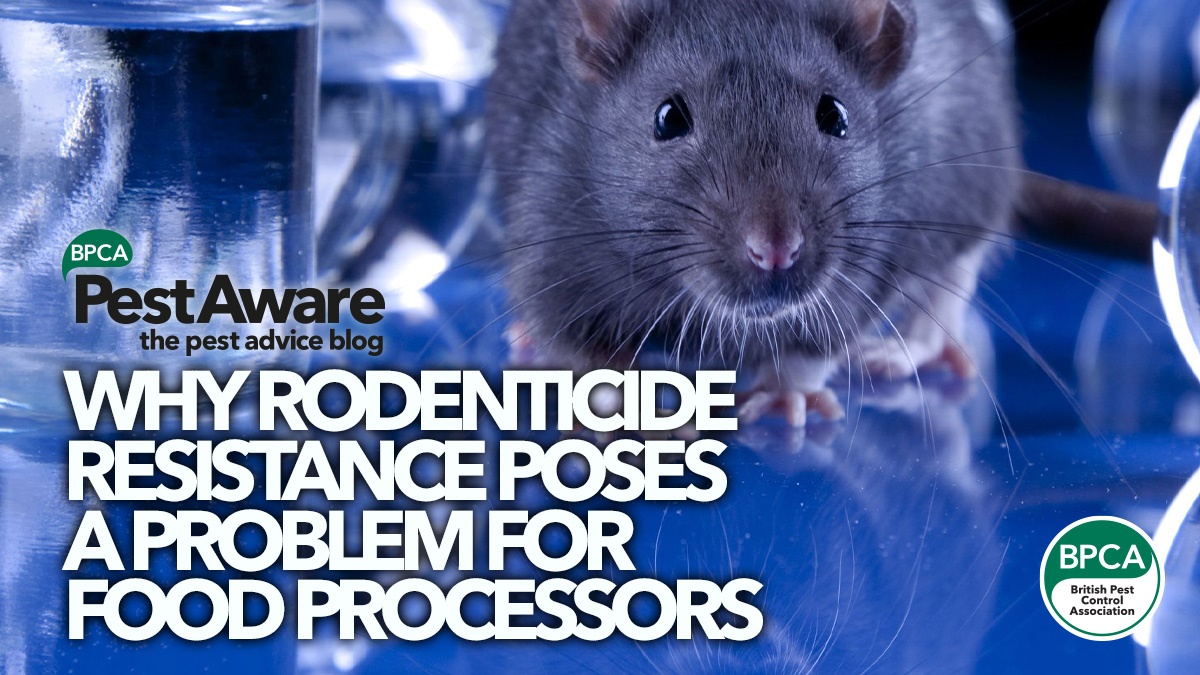
The issue of rodent infestations and how we deal with them is becoming increasingly important, with changes in the law starting to limit access to some tools, and rodenticide resistance rendering some products less effective in certain areas of the UK.
In the same way that GPs take a measured approach to prescribing antibiotics to avoid increasing resistance to their effects among patients, pest professionals are urging food processing businesses to seek expert advice before deploying rodenticides.
Last year, a survey by BASF revealed 88% of farmers don’t check levels of resistance to rodenticides in their area before use.
While that figure doesn’t necessarily reflect common practice among food processors, it does highlight the need for anyone considering the use of rodenticides to ensure they are aware of the potential impacts and, if they want to use professional-level products, are compliant with the guidelines set out by the Campaign for Responsible Rodenticide Use (CRRU).
The dangers of using specific rodenticides in areas of high resistance, include:
- The rodenticide will only target non-resistant rats, leaving them free to breed and expand their population
- Resistant rodents may leave signs they have ‘taken the bait’ leading to the belief the problem has been dealt with
- Users who are unaware of resistance levels can unwittingly increase the resistance of rodents in their area, making it harder to deal with the problem
- Businesses may end up paying twice – once for a DIY product that has failed, and then again for a pest professional to tackle a major infestation rather than a lower-level pest problem.
Permanent baiting with a rodenticide may seem the cheapest and easiest option, but food processors could find themselves inadvertently creating a local population of resistant rats which will be on the look-out for places to shelter that offer a food source and access to water.
Rats need to be controlled – particularly around food – as they can spread diseases including Leptospirosis, Salmonella, Listeria, Toxoplasma gondii and Hantavirus through their body or urine coming into contact with food preparation areas.
Structural damage, fires and floods have also been associated with rodents gnawing through cinderblock, wood, electrical cables and pipes.
Rats are very wary of new objects, and likely to ignore DIY traps or bait stations until they become used to their presence.
When rats eventually take the bait, they sometimes die in an inaccessible cavity or roof space, making it impossible to remove the body which can take several weeks to decompose.
Permanent baiting with a rodenticide may seem the cheapest and easiest option, but food processors could find themselves inadvertently creating a local population of resistant rats which will be on the look-out for places to shelter that offer a food source and access to water.
Anyone considering the use of DIY rodenticide products must read the label with care and ensure all advice and instructions are followed. All necessary precautions must be taken to ensure you do not cause collateral damage or suffer personal injury.
To avoid a pest presence escalating into a major infestation, BPCA recommends establishing a ‘pest control maintenance cycle’ involving a schedule of regular visits from a pest professional, who can target specific areas, identify signs of pest activity, suggest proofing measures and identify and mitigate any resistance issues in your area.
A pest control maintenance cycle offers food processors the chance to mitigate risk from multiple pests under one contract – as well as having someone with knowledge of the premises and business on-hand in the event of an urgent issues arising.
Pest professionals such as BPCA members also have a range of techniques and kit for dealing with pest problems efficiently, while minimising risk to product, the environment and non-target species.
BPCA members:
- Carry the correct insurances
- Are trained and qualified technicians
- Are assessed to the British Standard in pest management EN 16636
- Follow BPCA’s Codes of Best Practice.
To find a BPCA member visit: bpca.org.uk/find.

Source: Online