PPC118 | Opinion
In this article, Simon Spratley, Bounty Pest Control and BPCA BeeWise, talks about the pros and cons of rehoming honey bees.
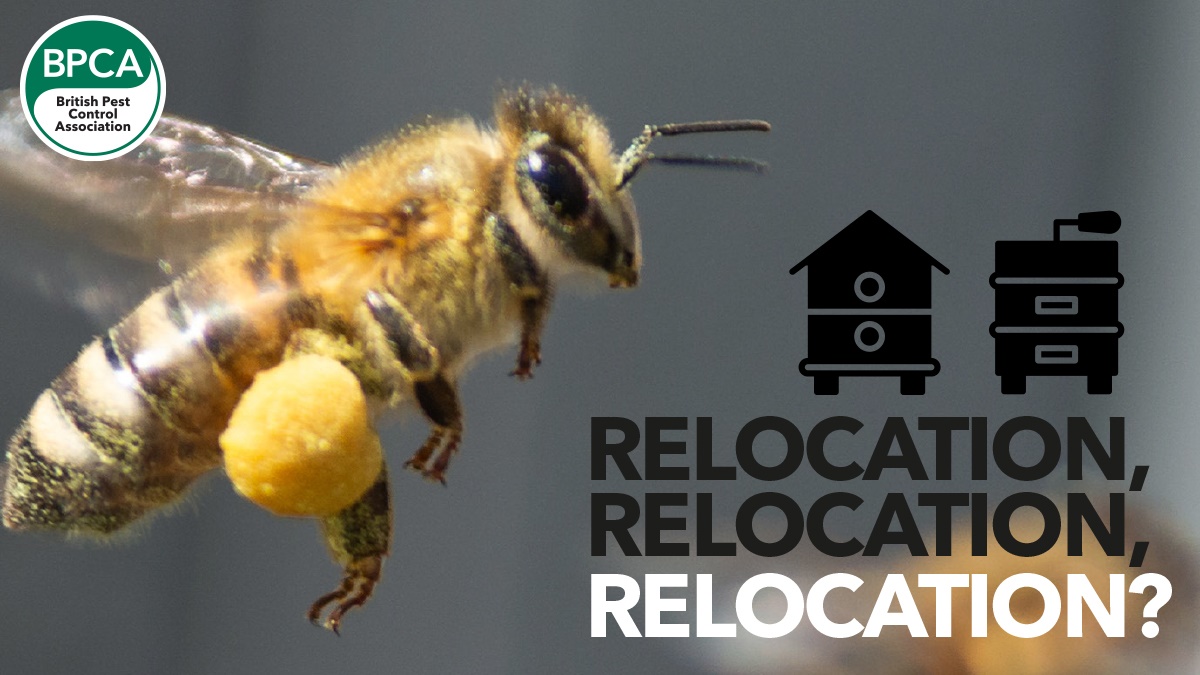
Honey bees are vital pollinators, but when they settle in unwanted places, rehoming them to an apiary is a common solution. While it seems ideal, this practice has its own pros and cons.
Honey bees are the celebrated heroes of our ecosystems, tirelessly pollinating crops and flowers.
But what happens when these industrious little insects decide to take up residence in your home, garage, or garden? The common solution is to remove and rehome them at an apiary - a practice that's gaining traction.
But while it seems like a win-win, this approach comes with its own set of pros and cons.
Pro: Saving the bees
Let’s be honest - honey bees need all the help they can get. With colony collapse, pesticides, and habitat loss threatening them, every chance to save a hive counts.
Rehoming them to an apiary ensures that these bees can continue to pollinate plants and produce honey in a safer, controlled environment.
Bees in your attic or under the eaves of your house can become a serious problem. While honey bees are generally not aggressive, they can sting when provoked, posing a risk to children, pets, and people with allergies. Removing them lowers the chance of painful encounters and expensive medical treatments, while still preserving the hive.
By relocating honey bees to an apiary, you're not just saving the bees, but also supporting beekeepers who can use these new colonies to bolster local honey production. In some cases, beekeepers can sell the honey produced by rehomed bees, contributing to local economies and promoting sustainable practices.
Con: House moves are stressful
While relocation might seem like the perfect solution, it’s a stressful process for the bees. Moving an entire colony can cause significant disruption. Bees are accustomed to their environment and the resources around them.
Moving them to a new location forces them to adjust to new surroundings, which can lead to a drop in their productivity or even the death of part of the colony.
Rehoming bees isn’t as simple as scooping them up and driving to the nearest apiary. It often involves specialised equipment and professional services, which can come with hefty price tags.
For homeowners, these costs may seem excessive, especially if the bees have built a nest in a hard-to-reach area of the house.
"...honey bees are invaluable to our world, and finding ways to coexist with them (whether that means rehoming or simply letting them buzz along)is a challenge worth tackling thoughtfully."
Striking a balance
So, what’s the solution? Honey bee removal and relocation to an apiary can be an effective way to protect both bees and people, but it’s not without its downsides.
Perhaps the key is to assess each situation individually.
If the bees are causing a real danger - especially for those with allergies - removal might be the best option. But if they’re simply in your garden and not harming anyone, it might be worth considering leaving them be.
At the end of the day, honey bees are invaluable to our world, and finding ways to coexist with them - whether that means rehoming or simply letting them buzz along - is a challenge worth tackling thoughtfully.
Interested in bees?
If you're interested in joining our BeeWise Special Interest Group, drop us an email to technical@bpca.org.uk. Anyone can join a SIG!

Source: