Rat control is changing for the better on UK farms and game shoots reports the Campaign for Responsible Rodenticide Use (CRRU).
From 2015 to 2017, a detailed independent study has found planned prevention of infestations is taking over from control in reaction to the presence of rats.
It finds gamekeepers leading the way, their use of a planned approach increasing from 30% to 59% over the two years. Among farmers, the less desirable option of reactive control has declined from 43% to 38%.
The period covered is one-year pre- and one-year post-introduction in October 2016 of the UK Rodenticide Stewardship Regime, which commissioned the work.
Stewardship spokesman and Campaign for Responsible Rodenticide Use chairman Dr Alan Buckle applauds the progress but also cautions that it needs to accelerate if lower rodenticide levels in wildlife are to be detected in time for the Government's formal review of stewardship in 2020. He said:
"Underpinning the positive progress identified, the study also reports that farmers' and gamekeepers' understanding of poor practice, which leads to environmental risks, has increased.
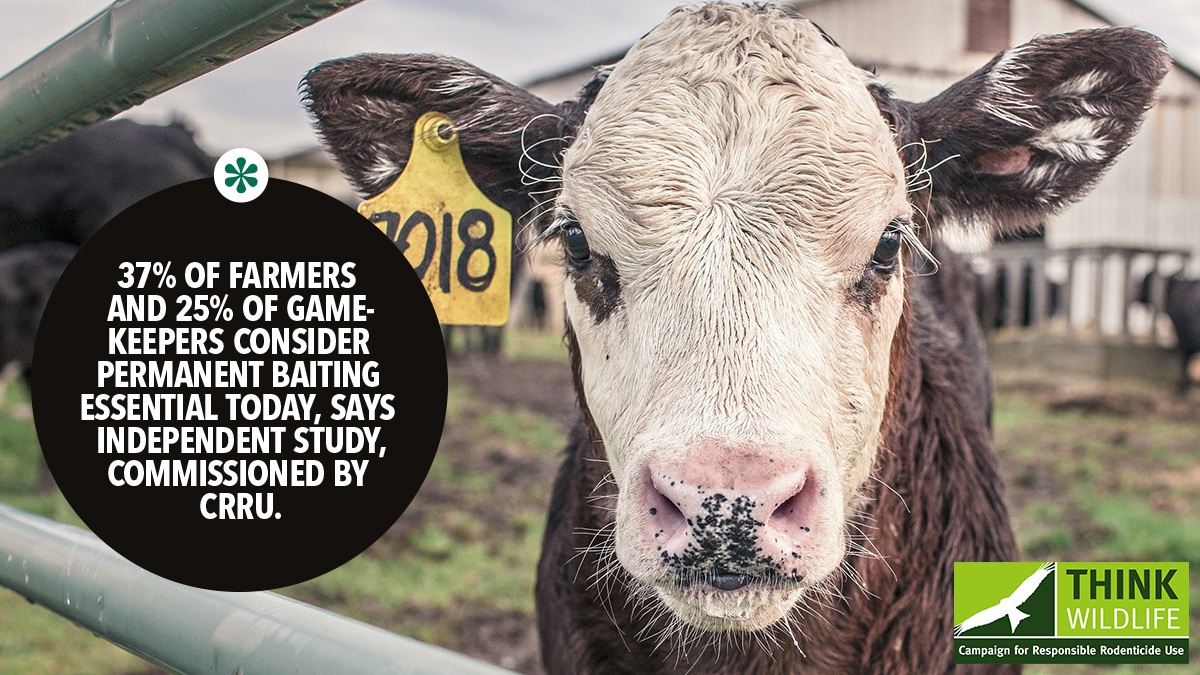
"Another indicator of improving practice is declining use of permanent baiting with rodenticides. Significantly fewer gamekeepers employ this practice, down from 44% to 25%. The shift by farmers is much less dramatic, from 39% to 37%".
While both groups are going in the right direction, this is a concern if one-in-four gamekeepers and one-in-three farmers still consider routine permanent baiting essential today. It is no longer an option under the stewardship regime and new farm assurance standards so needs eliminating as a routine measure by all users.
Dr Alan Buckle, CRRU
Dr Buckle emphasises that the government panel overseeing rodenticide stewardship is concerned not only with changes for the better in control practice but also, more importantly, measurable downward movement of rodenticide residue levels in non-target animals.
"Without such evidence," he adds, "we should anticipate further restrictions on where rodenticides can be used, and by whom. Clearly, this places responsibility squarely in users' own hands."

Source: Online