SECTOR NEWS
Royal Environmental Health Institute of Scotland (REHIS) is celebrating its 150-year anniversary with a series of events and projects – and a very special tartan reflecting its long history.
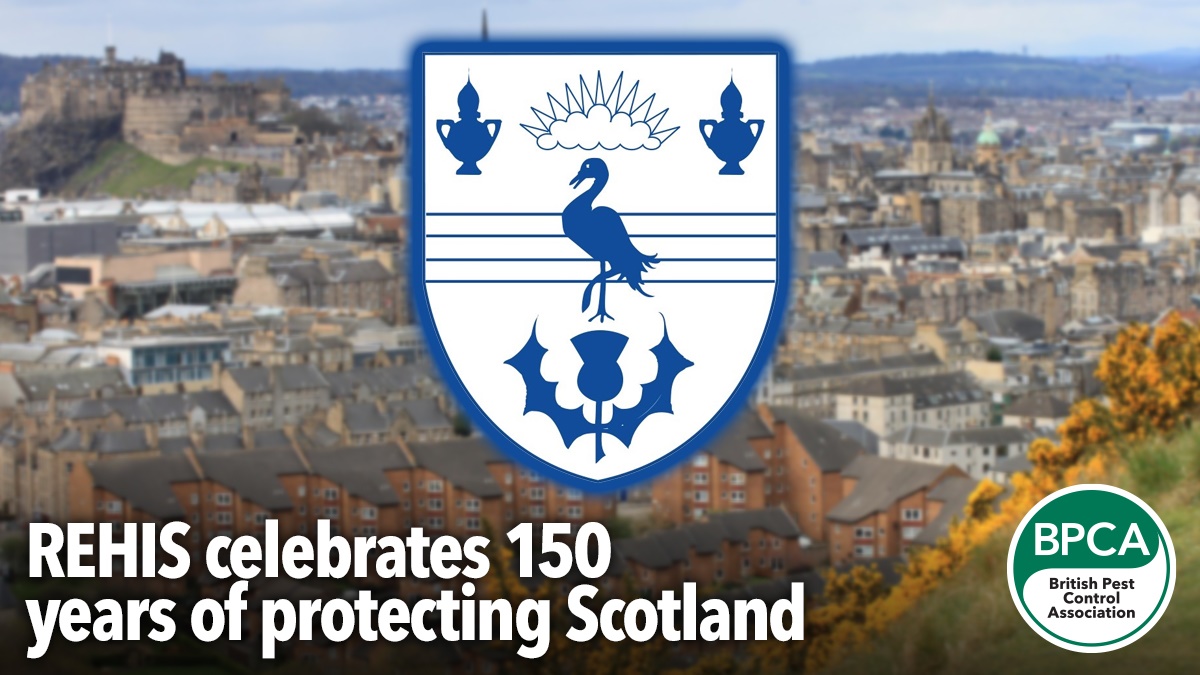
The Royal Environmental Health Institute of Scotland has been at the forefront of efforts to improve the health of Scotland’s people since 1875, through education, training and qualifications.
Now REHIS is planning a year of celebrations, kicking off with the creation of a colourful tartan that cleverly uses the Institute’s history as inspiration. Created by Tartan Caledonia, the design incorporates the colours of the official REHIS crest and boasts thread counts that mark the year of its inception. To see the new tartan and understand its history, refer to REHIS 150 Tartan – REHIS
The Institute was established after the merger of the Sanitary Association of Scotland (founded on 20 January 1875) and the Scottish Institute of Environmental Health set up in 1973.
Along with the REHIS Diploma in Environmental Health, the Institute awards qualifications in Food Hygiene, Food and Health, HACCP, Control of Infection, Occupational Health and Safety and First Aid.
A working group of members are involved in a series of projects to mark the 150-year anniversary. These include: a new 150 logo; a video montage of members’ reflections on how REHIS has influenced and shaped their working lives; and a timeline of key events in the life of the Institute.
The Institute will host a 150-anniversary Forum with a dinner in September, when the timeline will be launched. The forum theme will be “Reflecting on the Past, Looking to the Future”.
The year will end with a special anniversary edition of the REHIS Journal, featuring reflections from Past Presidents and key events in the Institute’s history.
The Institute is immensely proud of the work it has undertaken in the past 150 years; how it has evolved and how it has addressed the many challenges facing the profession. Looking to the future, it will continue to improve and protect public health in Scotland through its education programmes.
REHIS encourage all members to promote and participate in the year ahead to mark this huge milestone and the work of the Institute.
For more information, please contact the Chief Executive at REHIS: contact@rehis.com

Source: Online