Training | PPC99 May 2020
BPCA is no stranger to digital pest management training. With award-winning eLearning, free online webinars and now digital pest forums, we asked BPCA Training Manager, Karen Dawes, what’s next for digital pest control learning environments?
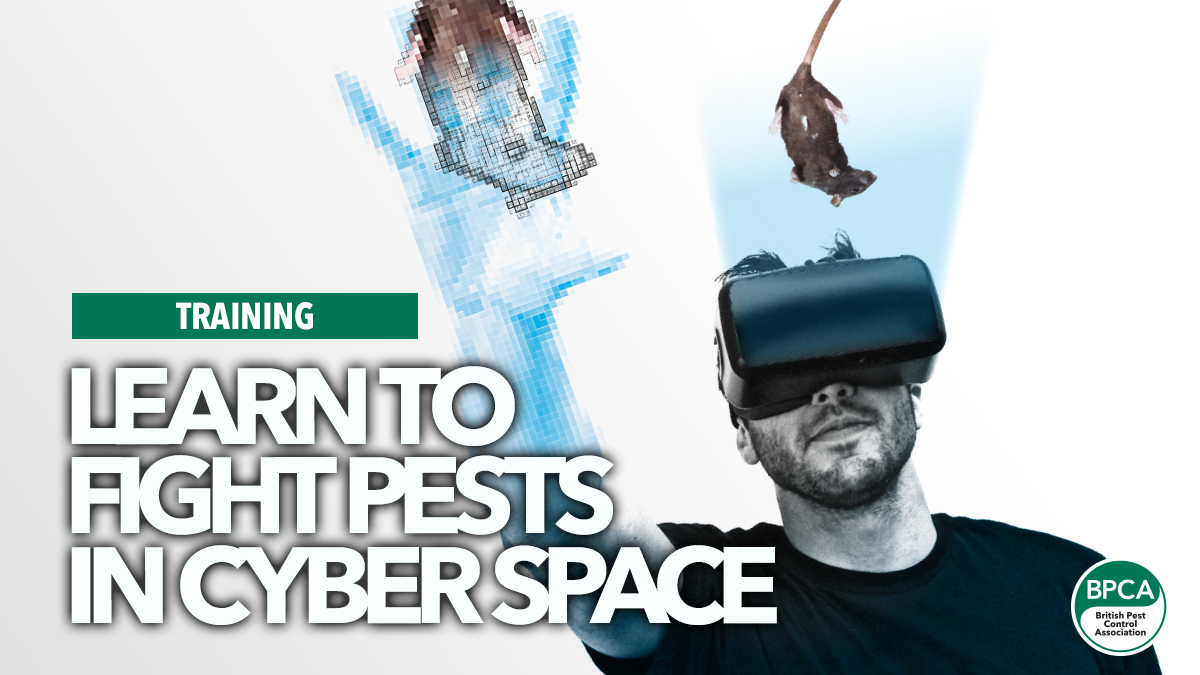
Covid-19 has changed all our lives significantly.
As Government talks about the ‘green shoots’ of recovery, many are wondering what kind of ‘normal life’ we will be returning to when science dictates the time is right.
This is as true in our work life as it is in our home environments.
As many of us get used to communicating and working remotely, questions are being asked about how much of this will transfer to our normal working lives post-pandemic.
After all, there are many benefits financially, environmentally and practically to doing what we can from the comfort of our own homes.
This is particularly true when considering training and development.
As Government talks about the ‘green shoots’ of recovery, many are wondering what kind of ‘normal life’ we will be returning to when science dictates the time is right.
Karen Dawes, Training Manager
Learning together
The travel. The overnight stays. The inflexibility of specific dates and locations that may or may not be convenient.
Employers having to deal with the loss of employee time and the tangible costs involved.
There are plenty of reasons to think twice before sending someone on classroom training courses.
Online training has been with us for many years, and that works well for some.
However, many more appreciate the connection with their tutor and other learners that you only usually get in traditional classroom-based training offers.
Having observed several Level 2 Award in Pest Management residential courses, it’s easy to see the benefit of people learning, working and living together over the week.
Learners ask each other questions, set up study groups, and have access to each other’s resources and knowledge.
The opportunity to ask for further explanations, to interact with others and share the camaraderie that working towards the same goal brings is hard to replicate over distance.
There needs to be a balance and the combination of improved technology and enforced change in working practices has quickened the pace of finding that balance.
The Digital Classroom
A new learning style is emerging through the development of virtual classrooms that offers flexibility and convenience.
Through the use of technology, learners are brought together in a classroom environment with the training delivered in real time.
The tutor can respond to questions, organise interactive breakout sessions and conduct demonstrations live.
It’s much easier for people who have physical disabilities or mental health issues like anxiety to take part in learning when it’s online.
Karen Dawes, Training Manager
Imagine being able to follow a pest control tutor as they service a kitchen or conduct a site survey. You’d be able to see a live stream of what they’re seeing and maybe even a second panel showing the paperwork they’re completing on the route.
Without the limitations of dates and location offered by traditional classroom training, learners gain the freedom to increase their knowledge and skills, at a time and place that suits them.
Training can be delivered in bitesized chunks enabling learners to absorb and reflect before moving on to the next stage.
Paying for a tutor’s travel and accommodation can be a significant expense for a training provider. Take that away, and you can have more flexible session times. Not to mention the environmental benefit from reducing tutors’ and learners’ fuel emissions.
Virtual training can even recognise and adapt to multiple learning styles, ensuring that more learners achieve their objectives from the course.
Do you learn better by watching an animation than reading a section of your textbook? A virtual classroom can adapt to that. Group presentations more your thing? Virtual breakout rooms with your fellow learners. Want to do a quick quiz to test your understanding or would you prefer to rewatch yesterday’s lecture?
It’s much easier for people who have physical disabilities or mental health issues like anxiety to take part in learning when it’s online. Those who live far away from cities and towns where training usually takes place also have an equal opportunity to participate without the additional cost of travel and accommodation.
Virtual training offers the advantage of training providers being able to react more quickly to emerging themes or topics that require support.
Immediate feedback from learners ensures that programmes are adapted and improved to generate the best outcomes.
The future of pest training
Taking all this into account, and recognising the benefits it brings, virtual training could be a learning style that stays with us when this pandemic is a distant (albeit painful) memory.
BPCA is now developing its range of virtual training programmes, and these will be launched soon.
They won’t be replacing real life learning environments. However, they will provide you with another way to improve your knowledge, understanding and practical application of pest management practices.
All new courses will be BPCA accredited and will carry BPCA Registered CPD points.
Additional research or revision that you do as part of the training can be added to your CPD account through the unstructured route, which allows you to record your points.
NEW ONLINE RESISTANCE TRAINING
We’ve now added dates for our new online course: Understanding Genetic Resistance in Pests. Find out more here or get in touch.
[email protected]

Source: PPC99