SQUIRRELS on the hunt for food during the autumn months can become a ‘destructive’ pest if they get into homes and businesses.
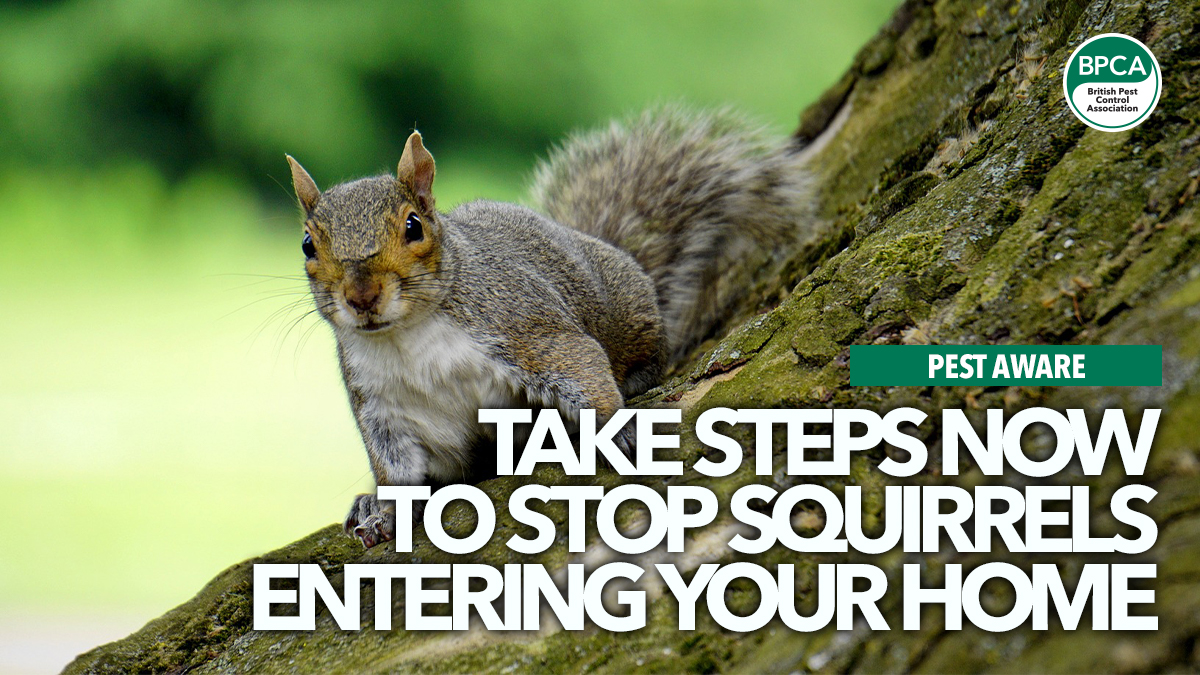
We're urging people to take preventative measures to stop squirrels getting into your roof space and have issued an online guide with accompanying video with advice on what to do.
Pest controllers get thousands of call-outs every year due to the damage squirrels can cause and the noises they make at night.
Figures suggest people have more problems with squirrels during the autumn when they are looking for food.
Dee Ward-Thompson, BPCA Technical Manager, said: “Squirrels can be an incredibly destructive and distressing pest to have in your home or workplace.
“Grey squirrels can cause damage when they enter roof spaces of houses and buildings. They gnaw on woodwork and ceilings, strip insulation from electrical wires, tear up fibreglass insulation and can contaminate cold water tanks and attic space with urine and droppings.
“People also report sleep issues due to the loud noises they make at night while they’re scuttling around the attic.”
Our guide outlines more about the habits and lifecycles of squirrels and the issues they can pose, which includes seven signs squirrels could be in your property:
- Scratching and rustling sounds from your loft or a wall cavity
- Droppings in the loft – although you might need a pest controller to identify these
- Smell of urine in the loft area might indicate the infestation has been going on some time
- Lots of other squirrels around your property, particularly near your roof or on high fences
- Fruit and nuts stolen from bird feeders, or feeders being disturbed/knocked over
- Bark being stripped from trees in your garden
- Holes in vents or damage to your insulation foam.
If you’ve noticed a few of these signs, then it might be time to find a pest control company.
But we recommend proofing your home or business from squirrels, rather than trying to deal with an infestation.
Dee added: “Prevention is always better than cure. Block the gaps and entrance holes with tightly wedged mesh or metal plates, wherever possible. A pest control professional should be able to help you with this.
“You can trim tree branches that overhang your roof, remove items stacked against the side of the building and seal all entry points.”
For more advice about proofing your home or business against grey squirrels, the new online guide and video are available at bpca.org.uk/squirrels
To find a BPCA member near you visit: bpca.org.uk/find.
Source: Online