Pest control experts are urging people to be aware of the threat to health posed by fleas.
The jumping parasites, which can leap more than a foot from one host to another, can cause problems for both humans and pets.
Skin complaints and the exacerbation of respiratory illnesses are some of issues flea bites can cause according to the British Pest Control Association (BPCA).
We're calling on people to seek help as soon as possible if they fear their home has become infested.
Natalie Bungay, BPCA technical officer, said: “Although fleas do not pose a direct health risk, flea bites can cause intense irritation and itching to pets and humans alike.
“Different people respond differently to a bite, both regarding the degree of reaction and time taken to react.
“The most problematic aspect of a flea bite on humans is the infection which can be caused by prolonged itching when left untreated.
“Flea bites can also exacerbate respiratory illnesses and cause complications.
“Fleas cause problems for pets as well as humans, as some animals suffer from an allergic reaction to the flea’s saliva, which will manifest in symptoms such as face or body swelling, agitation and feeling hot to the touch.
“They can also pass diseases between animals, including myxomatosis, which is usually fatal to rabbits.”
Our ‘Fretting about Fleas’ video below gives an overview of the biology, behaviour, prevention and control of the pests.
Early detection key to eradication
BPCA says the most common species of flea in the UK is the cat flea Ctenocephalides felis, which is an extremely common pest whose primary host is domestic cats but are known for readily biting humans and dogs too.
The dog flea Ctenocephalides canis can also use a variety of mammals as a host, but primarily targets dogs and cats.
Other types of flea to be aware of are; the bird flea Ceratophyllus gallinae and human flea Pulex irritans.
Natalie added: “It is important for people to understand that fleas need to be eradicated from the home as soon as possible for the health of the people and animals living there.
The best way to avoid a flea infestation is early detection. Brush pets often and check for fleas.
Frequently vacuum the areas pets are around, especially carpeted areas in and around any furniture that is used by pets.
Regularly wash pet bedding, blankets and other washable items in the hottest water possible.
“For any flea infestation, we would always recommend contacting a professional pest management company”, continued Natalie.
“They are trained in flea control and will have access to a range of professional-use insecticides and tools which are not available to the public”.
Getting help with your flea problem
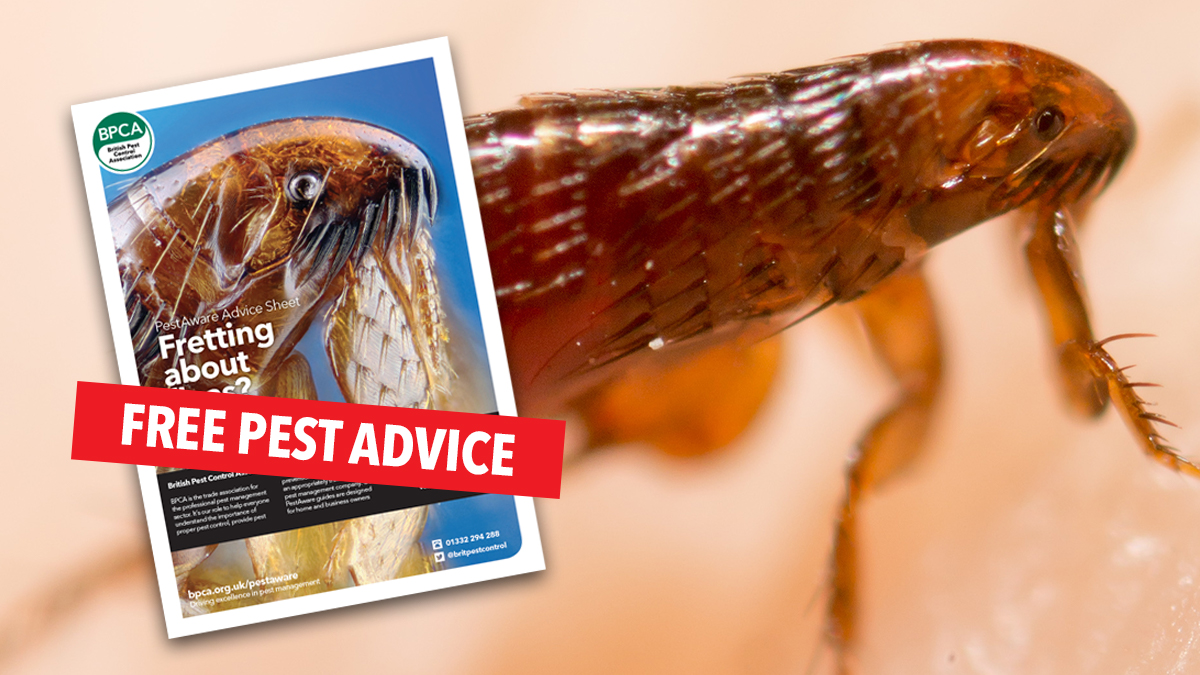
BPCA has produced free resources to give the inside track on the key issues, including a new guide, ‘Fretting about Fleas’ and video which are available to view at bpca.org.uk/fleas.
To find a BPCA member, use the Association’s online ‘find a pest controller tool’ at bpca.org.uk/find
Source: Online